
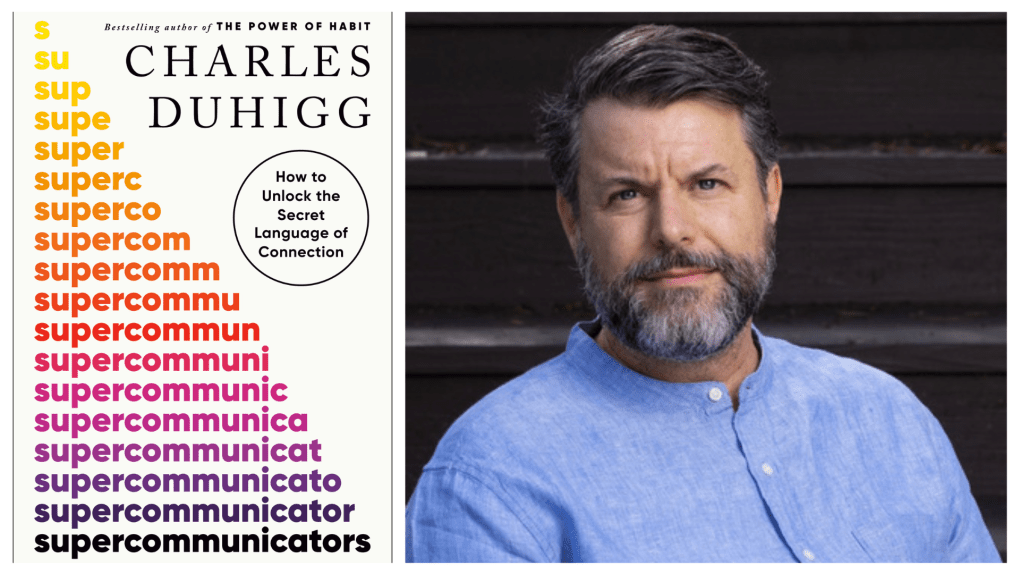
In today’s fast-paced world, effective communication is more critical than ever. Whether you’re navigating complex business environments, fostering personal relationships, or engaging in everyday interactions, being a super communicator can significantly impact your success and satisfaction. Charles Duhigg’s book, “The Best Ways to Become a Super Communicator,” offers valuable insights and practical strategies to enhance your communication skills. Let’s delve into the key takeaways from Duhigg’s work and explore how you can become a super communicator.
Understanding the Basics
Duhigg emphasizes that super communication is not about being the loudest or most eloquent speaker in the room. Instead, it’s about connecting with others on a deeper level, understanding their perspectives, and conveying your message clearly and effectively. The foundation of super communication lies in three core principles:
1. Active Listening: This involves fully concentrating, understanding, responding, and then remembering what is being said. Duhigg highlights that active listening goes beyond hearing words; it requires engaging with the speaker, showing empathy, and providing feedback.
2. Empathy: Empathy is the ability to understand and share the feelings of others. It’s about putting yourself in someone else’s shoes and seeing the world from their perspective. Empathetic communication fosters trust and respect, essential components of effective relationships.
3. Clarity and Conciseness: Clear and concise communication helps avoid misunderstandings and ensures that your message is easily understood. Duhigg suggests that you should always aim to be straightforward and precise, avoiding jargon and overly complex language.
Practical Strategies for Super Communication
Building on these principles, Duhigg offers several practical strategies to enhance your communication skills:
1. Master the Art of Storytelling
Stories are a powerful tool for communication. They capture attention, evoke emotions, and make information memorable. Duhigg advises incorporating storytelling into your communication repertoire. Whether you’re presenting a business proposal or sharing an experience, framing your message as a story can make it more engaging and impactful.
2. Practice Mindful Communication
Mindfulness in communication means being fully present during interactions. This involves avoiding distractions, maintaining eye contact, and showing genuine interest in the conversation. Duhigg points out that mindful communication helps build stronger connections and reduces the likelihood of misunderstandings.
3. Adapt to Your Audience
Understanding your audience and tailoring your message to their needs is crucial. Duhigg suggests that effective communicators are adept at reading their audience and adjusting their communication style accordingly. This might involve simplifying complex information for a non-expert audience or providing detailed explanations for those who require more depth.
4. Develop Emotional Intelligence
Emotional intelligence (EQ) is the ability to recognize, understand, and manage our own emotions and the emotions of others. High EQ is a hallmark of super communicators. Duhigg recommends working on your self-awareness, self-regulation, motivation, empathy, and social skills to enhance your EQ and, consequently, your communication effectiveness.
5. Utilize Non-Verbal Communication
Non-verbal cues, such as body language, facial expressions, and tone of voice, play a significant role in communication. Duhigg emphasizes the importance of aligning your non-verbal signals with your verbal message. Being aware of and controlling your non-verbal communication can help reinforce your message and build trust with your audience.
Overcoming Common Communication Barriers
Duhigg also addresses common barriers to effective communication and offers strategies to overcome them:
• Assumptions and Misunderstandings: Clarify and confirm your understanding of the other person’s message. Asking questions and paraphrasing can help ensure that you’re on the same page.
• Cultural Differences: Be aware of cultural variations in communication styles and etiquette. Adapting to these differences shows respect and facilitates smoother interactions.
• Stress and Emotions: Manage your stress and emotions to prevent them from interfering with your communication. Techniques such as deep breathing, taking breaks, and practicing mindfulness can be helpful.
Becoming a super communicator is a continuous journey of self-improvement and adaptation. Charles Duhigg’s book provides a comprehensive guide to developing the skills necessary for effective communication. By mastering the art of storytelling, practicing mindful communication, adapting to your audience, developing emotional intelligence, and utilizing non-verbal communication, you can unlock your potential as a super communicator.
Remember, effective communication is not just about what you say, but how you say it and how well you listen. Start applying these principles today, and watch as your personal and professional relationships flourish.

 Daniel Molgan Official