
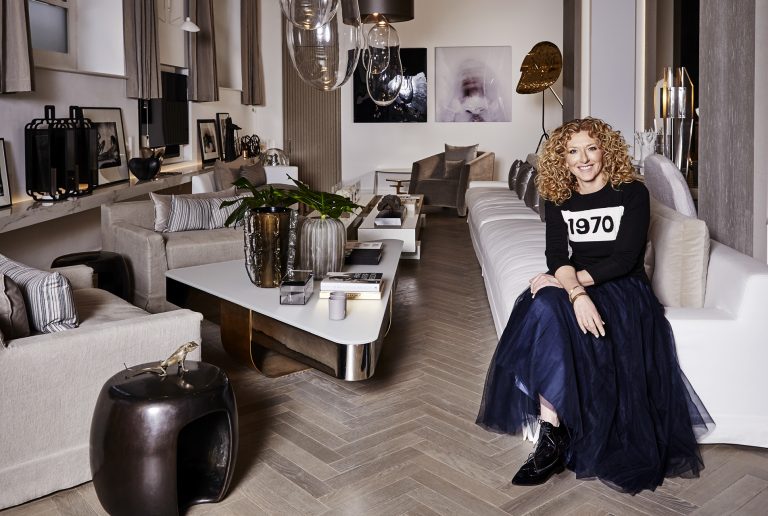
In our fast-paced world, where the boundaries between work and life are increasingly blurred, the environments we inhabit—whether at home or in the office—play a crucial role in shaping our wellbeing and productivity. The spaces we live and work in can either support or hinder our ability to thrive, making intentional design not just a luxury but a necessity. This blog post explores why designing your workplace and living space to boost your wellbeing and productivity is essential and offers practical tips to help you get started.
The Impact of Environment on Wellbeing
Our environment has a profound effect on our mental and physical health. Numerous studies have shown that the design of our living and working spaces can influence everything from our mood and stress levels to our overall sense of wellbeing. Here’s how:
1. Natural Light: Exposure to natural light is vital for regulating our circadian rhythms, which govern our sleep-wake cycles. Natural light also boosts serotonin levels, which improves mood and energy levels. Ensuring that your workspace or living area has ample natural light can make a significant difference in how you feel and function throughout the day.
2. Air Quality: Poor air quality can lead to headaches, fatigue, and respiratory problems, all of which can sap your energy and productivity. Incorporating plants into your environment can improve air quality and add a sense of tranquility to your space.
3. Color and Aesthetics: The colors and decor of your environment can affect your emotions and productivity. For example, blue is often associated with calmness and focus, while yellow can stimulate creativity. By choosing colors that align with the purpose of the space, you can enhance your overall experience.
4. Organization and Clutter: A cluttered space can lead to a cluttered mind. Organizing your living and working spaces can reduce stress and increase your ability to focus. Incorporating storage solutions and keeping surfaces clear can help create a more serene and productive environment.
Designing for Productivity
Productivity is not just about getting more done; it’s about getting the right things done efficiently and effectively. The design of your workspace plays a crucial role in this:
1. Ergonomics: Investing in ergonomic furniture that supports good posture is essential for long-term productivity and health. A well-designed chair, a desk at the right height, and proper monitor placement can prevent strain and injuries, allowing you to work more comfortably and for longer periods.
2. Zoning: Creating distinct zones for different activities can help you maintain focus. For example, having a dedicated area for work, another for relaxation, and yet another for exercise can help your brain switch gears more effectively, boosting both productivity and wellbeing.
3. Minimalism: Adopting a minimalist approach to your workspace can help reduce distractions and improve focus. Keep only essential items on your desk and store the rest away to create a clean, calming environment that fosters concentration.
4. Personalization: While minimalism is important, so is personalization. Adding personal touches like family photos, artwork, or favorite books can make your workspace feel more inviting and less sterile. The key is to strike a balance between personalization and clutter.
The Role of Technology
Technology can either enhance or detract from your productivity and wellbeing, depending on how it’s integrated into your environment:
1. Smart Lighting: Smart lighting systems can adjust the brightness and color temperature throughout the day to match natural light patterns, helping to regulate your energy levels and reduce eye strain.
2. Noise Control: Noise-canceling headphones or white noise machines can help mitigate distracting sounds, allowing you to focus better. Alternatively, playing soft background music can create a calming atmosphere that enhances concentration.
3. Productivity Tools: Using digital tools to manage your time and tasks can help you stay organized and focused. Apps that track your work habits can provide insights into how you can improve your productivity and work-life balance.
Designing Your Living Space for Wellbeing
While your workspace is critical for productivity, your living space is where you recharge. Designing it with wellbeing in mind can help you relax and recover more effectively:
1. Comfort and Coziness: Soft lighting, comfortable furniture, and warm colors can create a sense of comfort and coziness, making your home a sanctuary where you can unwind after a long day.
2. Connection to Nature: Bringing elements of nature into your home, such as plants, natural materials, and outdoor views, can reduce stress and promote a sense of peace and tranquility.
3. Sleep Environment: Your bedroom should be designed to promote restful sleep. This includes using blackout curtains, choosing a comfortable mattress, and maintaining a cool temperature. A good night’s sleep is foundational to both wellbeing and productivity.
4. Declutter Regularly: Just as in your workspace, keeping your living space organized and clutter-free can help you relax and feel more in control of your environment. Regularly decluttering can prevent the accumulation of unnecessary items that can contribute to stress.
Designing your workplace and living space to boost wellbeing and productivity is not just about aesthetics; it’s about creating environments that support your health, happiness, and success. By paying attention to factors like natural light, ergonomics, air quality, and organization, you can create spaces that not only look good but also feel good to live and work in. Whether you’re redesigning a home office, a living room, or an entire house, the time and effort invested in thoughtful design will pay off in better mental and physical health, improved focus, and a greater sense of overall wellbeing.

 Daniel Molgan Official