
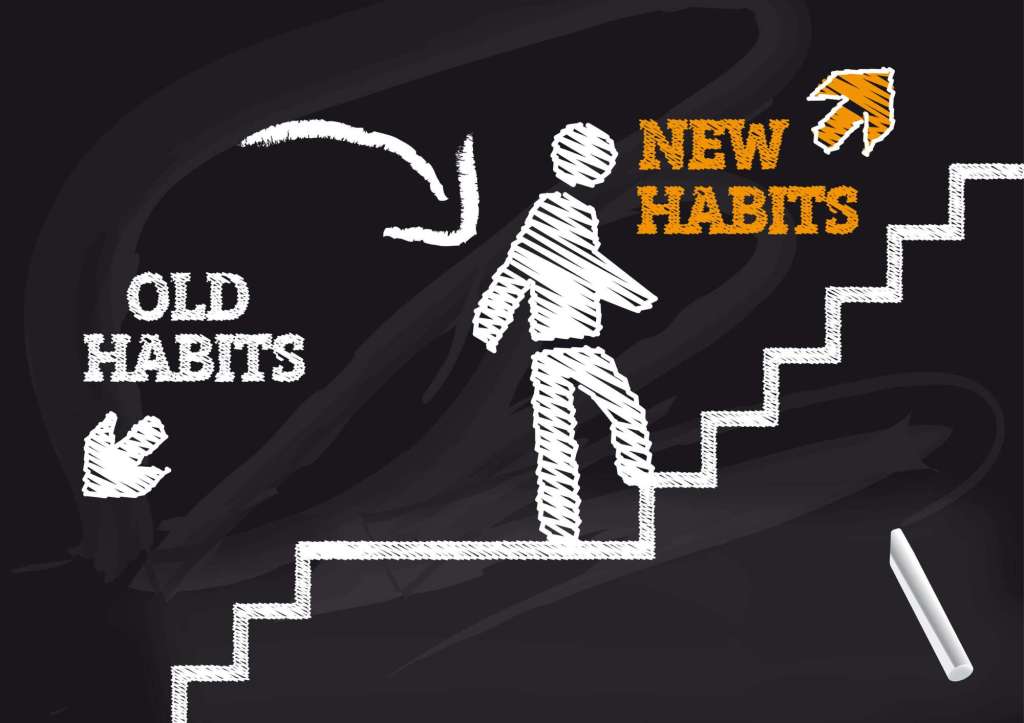
Habits are the building blocks of our daily lives. We often underestimate how much our habits shape us, either leading us toward our goals or away from them. In Atomic Habits, James Clear provides a comprehensive framework for building good habits and breaking bad ones, emphasizing the power of small, consistent changes over time. This blog post will break down key lessons from the book and provide actionable guidelines to help you reshape your habits for long-term success.
Key Lessons from Atomic Habits
1. The Power of Compound Growth
One of the most impactful concepts in Atomic Habits is the idea that small habits, when repeated daily, compound over time. Clear suggests that if you improve by just 1% every day, the cumulative effect will be staggering over a year. The key to success lies not in massive, immediate changes, but in consistently small improvements.
Lesson: Focus on making tiny adjustments rather than overhauling your life. A 1% improvement each day compounds into something much greater over time.
2. The Four Laws of Behavior Change
Clear outlines four essential laws to successfully build good habits and break bad ones:
• Make It Obvious
• Make It Attractive
• Make It Easy
• Make It Satisfying
These principles guide us in understanding why we engage in certain behaviors and how to either reinforce or weaken them. For bad habits, the inverse laws apply: make it invisible, unattractive, difficult, and unsatisfying.
Building Good Habits: Step-by-Step Guide
1. Start with Identity-Based Habits
One of the most profound insights from Atomic Habits is the idea that lasting change comes from shifting your identity, not just your outcomes. Instead of focusing on the habit itself (e.g., “I want to run a marathon”), focus on becoming the type of person who does that habit (e.g., “I am a runner”).
Action Step:
When setting a new goal, ask yourself, “Who is the type of person that achieves this?” For example, if you want to eat healthier, focus on becoming someone who values good nutrition.
2. Design Your Environment for Success
Our environment plays a significant role in shaping our behavior. If you want to build good habits, it’s essential to structure your surroundings in a way that supports them.
Action Step:
Make the cues for your desired habits more obvious. For example, if you want to read more, leave a book on your pillow, so it’s the first thing you see before bed. If you want to drink more water, place a water bottle on your desk or beside you all day.
3. Use Habit Stacking
Habit stacking involves pairing a new habit with an existing one. This works because your current habits act as triggers for new behaviors. By linking a new habit to an already-established routine, you’re more likely to follow through.
Action Step:
Find an established habit in your routine and “stack” a new one onto it. For example, if you already brew coffee every morning, pair it with a new habit, such as journaling for 5 minutes. The formula to follow is: “After [current habit], I will [new habit].”
4. Start Small and Make It Easy
Clear emphasizes the importance of starting with habits that are so easy, you can’t say no. By lowering the barrier to entry, you increase the likelihood of sticking with the habit. Consistency is more important than intensity in the early stages.
Action Step:
Set a goal that’s ridiculously easy to achieve. If you want to start a workout routine, begin with just 2 minutes a day. Once the habit is established, you can gradually scale up the intensity.
5. Use Immediate Rewards
Our brains are wired to seek immediate gratification, which is why long-term goals often fail to motivate us. Instead of waiting for distant rewards, attach an immediate reward to your new habits to reinforce them.
Action Step:
After completing a small habit, reward yourself with something enjoyable. For example, after exercising, allow yourself to watch an episode of your favorite TV show.
Breaking Bad Habits: Step-by-Step Guide
1. Make the Bad Habit Invisible
If a habit isn’t triggered, it won’t happen. By removing cues from your environment, you can significantly reduce the likelihood of falling back into a bad habit.
Action Step:
Identify the triggers that lead to your bad habit and remove them from your environment. If you want to stop eating junk food, keep it out of your house. If you want to reduce phone usage, leave it in another room when working or sleeping.
2. Make It Unattractive
If you can change how you view a bad habit, you’ll be less likely to engage in it. Focus on reframing your mindset and associating the habit with negative outcomes.
Action Step:
Highlight the downsides of the bad habit. For example, if you want to quit smoking, constantly remind yourself of the health risks and money you’re wasting.
3. Make It Difficult
Increase the friction required to perform the bad habit. The more effort it takes, the less likely you’ll do it.
Action Step:
Add obstacles to your bad habit. For example, if you want to limit social media, log out of your accounts and delete the apps from your phone. Now, every time you want to check social media, you have to log in manually, making it less convenient.
4. Make It Unsatisfying
If there are no negative consequences for a bad habit, you’re more likely to continue it. By creating a system of accountability, you introduce a layer of dissatisfaction or cost when you engage in the bad habit.
Action Step:
Use an accountability partner or set up a punishment system. For example, if you fail to stick to your new habit, you have to donate money to a cause you dislike or lose privileges you enjoy.
The Secret to Long-Term Success: Focus on Systems, Not Goals
While goals are essential for setting direction, Atomic Habits argues that it’s your systems—the daily habits—that determine whether you succeed. If you focus solely on the outcome, you’ll lose motivation once you hit your target. Instead, build systems that consistently lead to your desired outcome, and the results will follow naturally.
Final Thought:
The most successful people aren’t the ones who have willpower made of steel—they’re the ones who design their environment, routines, and systems to make good habits automatic and bad habits nearly impossible. Following the principles of Atomic Habits will not only help you improve your daily life but also lead to significant transformations over time.
Key Takeaway: Small habits, repeated consistently, have the power to compound and create profound change. Whether you’re building a good habit or breaking a bad one, start with tiny steps, make the process easy, and most importantly, focus on becoming the person who embodies the habits you want.

 Daniel Molgan Official