
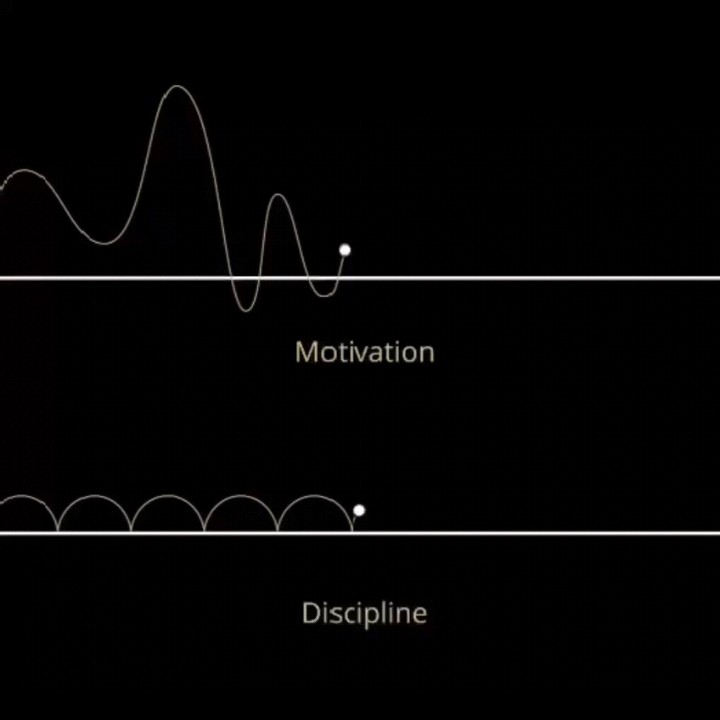
We’ve all been there. You start a new project, a fitness routine, or set a big goal, filled with excitement and passion. The first few days feel electric; your energy is high, and everything seems possible. But then, life happens. That initial surge of motivation fades, distractions creep in, and suddenly, sticking to the plan feels like a monumental task. This cycle repeats itself in various areas of our lives—whether it’s in our work, personal development, or health. So, what makes some people push through and achieve their goals while others stop when motivation runs out?
The answer lies in the difference between motivation and discipline. While motivation is fleeting, discipline creates consistency and leads to long-term success.
Motivation is a Rollercoaster
Motivation feels great—it’s that rush of energy and enthusiasm that pushes us into action. It’s the spark that ignites our desire to achieve something new. But the problem with motivation is its unpredictability. It fluctuates based on mood, external circumstances, and even things outside our control like weather or how much sleep we got the night before.
For instance, you might feel motivated to work out after watching a fitness video or listening to a podcast on health. But that same motivation can quickly disappear after a long, exhausting day at work. And it’s not because you don’t care about your goals anymore. It’s because motivation is driven by emotion, and emotions are naturally inconsistent.
This is why so many people struggle with staying on track—they rely on motivation to sustain their progress. And when that initial burst of enthusiasm fades, so does their effort.
Discipline is the Key to Long-Term Results
Unlike motivation, discipline doesn’t rely on emotions or fleeting feelings. Discipline is about showing up and doing the work regardless of how you feel in the moment. It’s a commitment to follow through on your goals, even when the excitement wears off.
While motivation might get you started, discipline ensures you keep going. It’s what gets you to the gym when you’d rather sleep in, and it’s what keeps you writing when your creativity feels blocked. Discipline is the bridge between goals and accomplishments.
The beauty of discipline is that it creates consistency, and consistency is the real secret to success. It’s easy to be motivated for a day or two, but real progress happens when you take small, steady steps over time. This is true for any goal—whether it’s learning a new skill, getting in shape, or advancing your career.
Why Consistency Matters More Than Motivation
Consistency compounds. If you commit to doing something small every day—whether that’s writing 200 words, doing 10 pushups, or spending 15 minutes learning a new language—you’ll see progress far faster than sporadically waiting for motivation to strike.
Here’s the thing: the results of discipline don’t show up immediately. But over time, consistency creates momentum, and momentum makes the process easier. Once you establish a routine, you no longer need to rely on motivation. You simply show up because it’s what you do. And over time, those small efforts lead to significant results.
How to Build Discipline (and Stay Consistent)
1. Start small: Don’t overwhelm yourself with huge, unrealistic goals. Break your goals into manageable tasks that you can commit to every day. Discipline is built through small, consistent actions, not big, sporadic ones.
2. Create a routine: Structure your day so that certain tasks become habitual. Whether it’s exercising at the same time each day or dedicating a specific block of time to a project, having a routine reduces decision fatigue and makes it easier to stay disciplined.
3. Set clear goals: Without clear goals, it’s easy to lose focus and direction. Define what success looks like for you and create a roadmap to get there.
4. Remove distractions: Identify the things that pull you away from your work or goals, and create an environment that minimizes those distractions. This might mean turning off notifications, setting boundaries, or creating a designated workspace.
5. Hold yourself accountable: Whether through a journal, a mentor, or a friend, tracking your progress and holding yourself accountable helps keep you on track.
6. Accept imperfection: Discipline doesn’t mean perfection. There will be days when you slip up or fall short, and that’s okay. What matters is getting back on track and staying consistent over the long run.
Discipline Transforms Motivation into Habit
Here’s the best part: when you stick with something long enough, discipline transforms into habit. Habits are automatic behaviors that require minimal thought or effort. They become part of who you are. And once a habit is formed, you no longer need to rely on motivation or willpower—it just becomes what you do.
For example, someone who has developed a habit of exercising every morning doesn’t wake up debating whether they feel motivated to work out. It’s simply part of their routine. Similarly, successful writers don’t wait for inspiration to strike—they’ve built the habit of writing consistently, even when they don’t feel inspired.
The Real Secret to Success: Discipline Over Motivation
While motivation is a powerful force, it’s unreliable in the long run. Discipline, on the other hand, is the engine that keeps you moving forward, even when motivation wanes. It’s discipline that allows you to be consistent, and consistency is what leads to real, tangible results.
When you understand that discipline is the key to achieving your goals, you stop relying on the rollercoaster of motivation and instead focus on building sustainable habits that will carry you forward. So, next time you feel your motivation fading, remind yourself that success isn’t about feeling inspired every day—it’s about showing up, putting in the work, and trusting that consistency will get you there.

 Daniel Molgan Official