
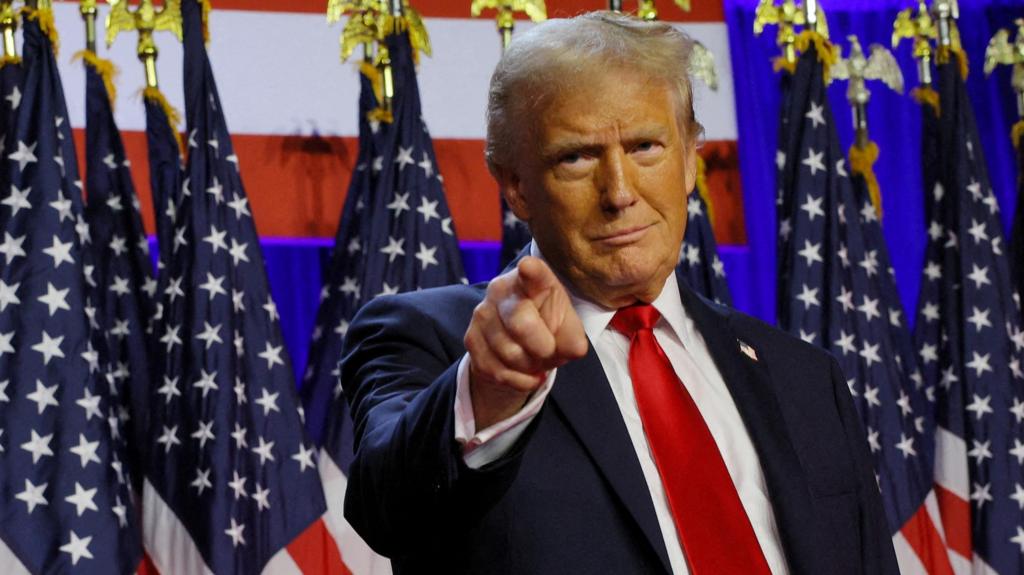
The re-election of Donald Trump on November 6, 2024, is a pivotal moment in both American and global politics. With his well-known “America First” policy and a history of skepticism toward multilateral agreements, Trump’s second term is expected to bring significant shifts to the international order. But what does this mean for the future of entrepreneurs in the U.S. and abroad? Let’s explore the potential impacts.
1. Changes in the Global Order
Trump’s “America First” approach implies a shift towards unilateralism, which could strain established alliances and redefine global dynamics.
U.S.-European Relations: European leaders are concerned about the U.S. commitment to NATO and broader security issues. Trump’s focus on protectionist policies might create challenges for cross-Atlantic alliances. However, leaders in Europe have expressed hope for continued cooperation.
Middle East Dynamics: In the Middle East, Trump’s stance has always favored a strong U.S.-Israel alliance. Leaders like Israeli Prime Minister Benjamin Netanyahu are optimistic about this continuity, while Palestinian groups have expressed mixed reactions. This stance could impact ongoing regional conflicts and U.S. influence in the area.
U.S.-China Tensions: China may experience increased economic pressure through tariffs and a more confrontational U.S. approach on sensitive issues like Taiwan and the South China Sea. Asian allies, including Japan and South Korea, have offered cautious congratulations, indicating a wait-and-see approach as the region braces for possible shifts in U.S.-Asia policy.
The potential for a more fragmented international market seems likely, with effects rippling across both developing and developed economies.
2. The Long-Term Outlook for U.S. Entrepreneurs
For entrepreneurs, Trump’s policies could offer a mixed landscape of opportunities and challenges:
Tax Cuts and Deregulation: Proposed corporate tax cuts and continued deregulation could make the U.S. a more attractive environment for new ventures, fueling investment and innovation across sectors.
Trade and Supply Chain Impacts: A protectionist stance might spark trade wars and result in tariffs that disrupt supply chains. Entrepreneurs relying on international markets may see increased costs and complexity in maintaining efficient operations.
Talent Pool Restrictions: With stricter immigration policies, access to a global talent pool may become limited, impacting industries that depend on specialized skills. Technology and research-driven sectors, in particular, may find it harder to source diverse expertise domestically.
For U.S.-based entrepreneurs, the landscape will require adaptability, with an eye on policy shifts that could affect trade, talent, and resource allocation.
3. Global Entrepreneurship Amidst Rising Uncertainty
Entrepreneurs outside the U.S. will face their own set of challenges and opportunities in response to changes in U.S. policies:
Economic Volatility: Countries with strong trade ties to the U.S. could experience economic fluctuations as policies shift. Startups and small businesses in these regions may face increased uncertainty, impacting growth and sustainability.
Emerging Opportunities: Regions less dependent on the U.S. might find new opportunities to fill gaps created by U.S. policy shifts. Businesses in Asia, Africa, and South America could capitalize on trade adjustments and explore partnerships outside traditional U.S.-centric networks.
Entrepreneurs globally will need to monitor these changes closely, especially those with ties to U.S. markets or those whose supply chains rely on American partnerships.
Navigating the Future
Trump’s re-election marks a transformative period, with implications that will ripple across political and economic borders. While the domestic business environment may become more favorable to certain sectors, the global landscape is set to become more complex. Entrepreneurs, whether in the U.S. or abroad, will need to stay informed, agile, and prepared to adapt as the world navigates this evolving order.
For entrepreneurs ready to thrive, this new era will demand not only resilience but also strategic foresight. Staying connected to global trends, understanding the regulatory shifts, and fostering adaptability will be the keys to sustaining growth in this changing world.

 Daniel Molgan Official