
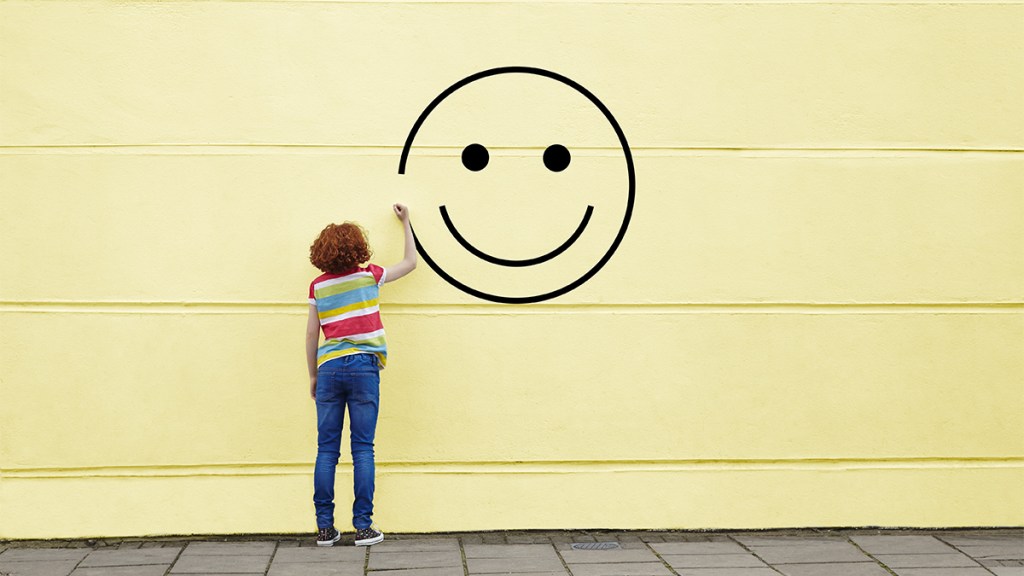
Happiness is often seen as a destination, a goal to be achieved, something we pursue through success, relationships, or material wealth. But the true art of happiness lies not in external achievements but in cultivating an inner state of contentment, gratitude, and purpose.
Rethinking Happiness: It’s a Practice, Not a Prize
One of the biggest misconceptions about happiness is that it is a result of external circumstances. People often believe that once they get a better job, find the perfect partner, or accumulate enough wealth, they will finally be happy. But studies in positive psychology suggest that happiness is more about how we perceive life than about what happens to us.
Happiness is an art, something that requires active participation and regular practice. Just as a painter refines their craft over time, we can cultivate happiness by developing habits that nurture positivity and well-being.
The Ingredients of a Happy Life
1. Gratitude: The Key to Perspective
Gratitude is one of the simplest yet most powerful ways to shift our mindset. When we focus on what we have instead of what we lack, we train our brains to see abundance rather than scarcity. Studies have shown that people who practice gratitude regularly experience greater life satisfaction and lower levels of stress.
Practice Tip: Start a gratitude journal and write down three things you’re thankful for each day.
2. Purpose and Meaning
Happiness is deeply connected to having a sense of purpose. People who engage in meaningful activities—whether through work, hobbies, or acts of kindness—tend to report higher levels of happiness. Instead of seeking fleeting pleasures, ask yourself: What gives my life meaning? What makes me excited to wake up in the morning?
Practice Tip: Identify an activity or cause that aligns with your values and commit to it regularly.
3. Mindfulness: Living in the Present
A large part of our unhappiness stems from regrets about the past or anxieties about the future. Mindfulness, the practice of being fully present in the moment—helps us embrace life as it is. When we slow down and truly experience the present, we find joy in simple things: a deep conversation, the warmth of the sun, or the laughter of a loved one.
Practice Tip: Spend five minutes each day in mindful breathing or meditation. Focus on the sensations around you and let go of distractions.
4. Strong Relationships and Social Connection
Humans are wired for connection. Research consistently shows that strong social bonds contribute more to long-term happiness than wealth or fame. Prioritizing quality relationships with family, friends, and community members enhances well-being and provides a support system during difficult times.
Practice Tip: Make time for meaningful conversations and deep connections. Call a friend or spend time with loved ones without distractions.
5. Resilience: Embracing Imperfections
Life is not always smooth, and true happiness comes from learning to navigate challenges with grace. Resilience is the ability to bounce back from setbacks and find meaning in difficulties. Instead of resisting life’s struggles, embrace them as opportunities for growth.
Practice Tip: When faced with challenges, ask yourself: What can I learn from this experience? How can I use this to grow stronger?
Happiness is a Journey, Not a Destination
Happiness isn’t something we stumble upon; it’s something we create every day through our mindset and choices. It’s about embracing life fully, the joys and the struggles—and finding beauty in the little moments.
The art of happiness is a lifelong masterpiece, painted with gratitude, purpose, mindfulness, connection, and resilience. And the best part? You are the artist.

 Daniel Molgan Official