
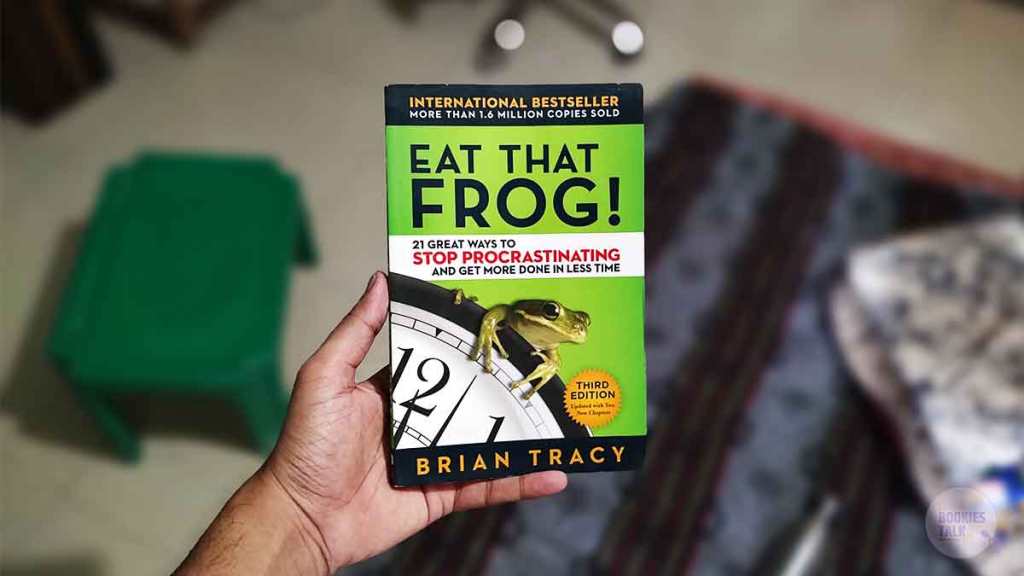
Time is one of the most valuable resources we have, yet many of us struggle to manage it effectively. Brian Tracy’s Eat That Frog! is a classic productivity book that helps readers overcome procrastination, boost efficiency, and accomplish more each day. The title is based on Mark Twain’s famous quote:
“Eat a live frog first thing in the morning, and nothing worse will happen to you the rest of the day.”
In Tracy’s interpretation, the “frog” represents your biggest, most important, and often most difficult task. By tackling it first, you set yourself up for success. Here are some of the top lessons from Eat That Frog! that can help you master your time and achieve more.
1. Prioritize Your Most Important Tasks (The 80/20 Rule)
Tracy emphasizes the Pareto Principle (80/20 Rule)—which suggests that 20% of your tasks will produce 80% of your results. Instead of spreading your energy across unimportant activities, identify and focus on the few tasks that truly make a difference in your life and career.
How to Apply It: Start your day by listing your tasks and identifying the top 20% that will drive the biggest results. Eliminate or delegate the less impactful 80% to free up more time. Focus on tasks that align with your long-term goals.
2. Plan Each Day in Advance
A lack of planning leads to wasted time and increased procrastination. Tracy suggests taking a few minutes each evening to map out your next day’s tasks.
How to Apply It: Use the ABCDE Method: Assign letters to your tasks based on priority: A: Most important (your “frog”) B: Important but not urgent C: Nice to do, but not necessary D: Delegate to someone else E: Eliminate completely. By doing this, you start your day with clarity, knowing exactly what needs to be done first.
3. The “Single-Handling” Rule: Focus on One Task at a Time
Multitasking often leads to lower productivity and more mistakes. Tracy recommends the single-handling technique—focusing on one important task at a time until it is fully completed. How to Apply It: Choose your most critical task and work on it without distractions. Use the Pomodoro Technique (25-minute focused work sprints followed by a short break) to stay engaged. Resist the urge to jump between tasks—stay committed until you finish what you started.
4. Apply the “Law of Three” to Simplify Your Work
Tracy introduces the Law of Three, which states that only three tasks contribute the most to your success in any area of life. If you focus on these three, you can make the biggest impact.
How to Apply It: Identify three key tasks that contribute the most to your work, personal goals, or financial success. Schedule time each day to make progress on these core tasks. Say no to tasks that don’t align with your three priorities.
5. Develop a Sense of Urgency
Tracy stresses the importance of acting with urgency—not rushing, but moving quickly and decisively. The faster you start, the sooner you gain momentum.
How to Apply It: Set tight deadlines for yourself, even if they don’t exist externally. Challenge yourself to work faster without compromising quality. Avoid perfectionism—done is better than perfect.
6. Continuous Learning and Self-Improvement
Procrastination often comes from fear or a lack of confidence. Tracy encourages lifelong learning and skill-building to improve your efficiency and make tasks easier.
How to Apply It: Invest in courses, books, or coaching that enhance your knowledge. Learn from successful people who have mastered time management. Keep upgrading your skills to work smarter, not harder.
Just Eat it!
Eat That Frog! is a straightforward yet powerful guide to overcoming procrastination and making the most of your time. The key takeaways? Prioritize wisely, plan ahead, focus deeply, and act with urgency. If you often find yourself delaying important work, start by identifying your “frog” for the day and tackle it first thing in the morning. Over time, these small changes will compound, leading to greater productivity, less stress, and more success. Are you ready to eat your frog?

 Daniel Molgan Official