Blog

Business & Work, Personal Development

The Art of Managing a Busy Schedule Effectively

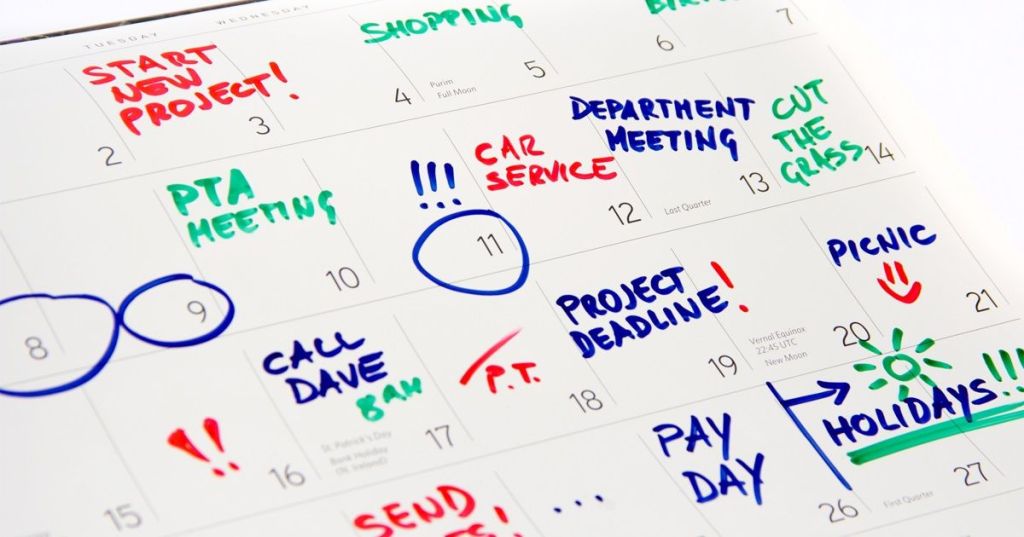
In today’s fast-paced world, balancing work, personal life, and self-improvement can feel like a never-ending challenge. Whether you’re an entrepreneur, a student, or a professional juggling multiple responsibilities, mastering the art of time management is essential. Here’s a practical guide to managing a busy schedule effectively without burning out.

1. Prioritize Ruthlessly

Not all tasks are created equal. To stay on top of your schedule, categorize your tasks using the Eisenhower Matrix:

• Urgent & Important – Do it now.

• Important but Not Urgent – Schedule it.

• Urgent but Not Important – Delegate it.

• Neither Urgent Nor Important – Eliminate it.

Focusing on high-priority tasks ensures that your time is spent where it matters most.

2. Time Blocking for Maximum Efficiency

Instead of reacting to tasks as they come, plan your day in dedicated time blocks. Allocate specific hours for deep work, meetings, personal development, and even breaks. By doing this, you minimize distractions and create a structured workflow.

3. The Power of Saying No

A busy schedule often gets out of control because of excessive commitments. Learn to say no to non-essential tasks, unproductive meetings, or social obligations that don’t align with your goals. Guard your time as your most valuable asset.

4. Leverage Technology for Productivity

Use apps and tools to automate and streamline your tasks:

• Calendar Management: Google Calendar, Outlook

• Task Tracking: Notion, Todoist, Trello

• Automation: Zapier, IFTTT

• Focus Tools: Pomodoro timers, website blockers (e.g., Freedom, Cold Turkey)

By outsourcing your mental load to technology, you free up more time for strategic thinking.

5. Batch Similar Tasks Together

Switching between different types of tasks can drain your energy and reduce efficiency. Instead, group similar tasks together:

• Respond to emails in a fixed time slot.

• Schedule all meetings back-to-back.

• Dedicate a single work session to creative tasks.

This approach reduces mental fatigue and keeps you in the flow.

6. Plan Ahead, Reflect Often

At the end of each day, take 10 minutes to plan the next day. Review what you accomplished, adjust priorities, and ensure nothing falls through the cracks. A weekly or monthly reflection also helps fine-tune your strategy for long-term success.

7. Make Time for Rest and Recovery

Productivity isn’t just about doing more—it’s about sustaining high performance over time. Schedule non-negotiable breaks, prioritize sleep, and incorporate activities that recharge you, such as exercise, meditation, or hobbies.

8. Master Delegation

If you’re managing multiple responsibilities, don’t try to do everything yourself. Delegate tasks to colleagues, assistants, or automation tools. Trusting others with responsibilities frees up your time for high-value work.

9. Limit Distractions and Set Boundaries

A chaotic environment leads to a chaotic schedule. Reduce distractions by:

• Setting clear work hours and boundaries.

• Turning off non-essential notifications.

• Using noise-canceling headphones or quiet spaces.

• Letting people know when you’re in “focus mode.”

Discipline is the key to maintaining an efficient workflow.

10. Adapt and Be Flexible

No schedule is perfect. Unexpected events will arise, and plans will change. The ability to adapt without losing focus is what separates highly effective individuals from overwhelmed ones. Have a system that allows flexibility without derailing your priorities.

Busy, busy, busy!

Managing a busy schedule is an art that requires constant refinement. By prioritizing effectively, leveraging time management techniques, and maintaining balance, you can achieve maximum productivity without burnout. Success isn’t about doing everything—it’s about doing the right things efficiently.

Stay disciplined, stay strategic, and most importantly, take control of your time!

Business & Work, Personal Development

The Power of Identity-Based Habits: A Lesson from Atomic Habits

James Clear’s Atomic Habits is one of the most influential books on personal development, offering a science-backed approach to building good habits and breaking bad ones. One of its most powerful lessons is the concept of identity-based habits—the idea that the key to lasting change isn’t just setting goals but shifting your identity.

Most people fail to stick with new habits because they focus solely on outcomes. They want to lose weight, save money, or read more books, but they don’t change the way they see themselves. Instead of saying, I want to lose weight, Clear suggests saying, I am a healthy person. This identity shift is what makes a habit stick in the long run.

Why Outcome-Based Habits Often Fail

Most people set goals based on their desired outcomes:

• “I want to lose 20 pounds.”

• “I want to run a marathon.”

• “I want to save $10,000.”

While these are great goals, they don’t necessarily lead to permanent behavior change. Why? Because they focus on whatyou want to achieve rather than who you want to become.

If your goal is to run a marathon, but you don’t see yourself as a runner, you’ll struggle to stay consistent when motivation fades. If you aim to save money but still view yourself as someone who’s bad with finances, your spending habits will eventually revert.

This is where identity-based habits come in. Instead of focusing on what you want to achieve, focus on the type of person you want to become.

Shifting to Identity-Based Habits

Clear explains that lasting change happens when we shift from outcome-based goals to identity-based habits. Here’s how that looks in practice:

• Outcome-Based Goal: “I want to read more books.”

• Identity-Based Habit: “I am a reader.”

• Outcome-Based Goal: “I want to exercise more.”

• Identity-Based Habit: “I am an active person.”

• Outcome-Based Goal: “I want to stop smoking.”

• Identity-Based Habit: “I am a non-smoker.”

The difference may seem subtle, but it’s transformational. By defining yourself as the person you want to be, every small action reinforces that identity, making it easier to stay consistent.

How to Apply Identity-Based Habits in Your Life

1. Decide Who You Want to Be

Instead of just setting a goal, define the kind of person who naturally achieves that goal. If you want to eat healthier, shift your mindset from I need to lose weight to I am someone who values my health.

Ask yourself:

• “Who is the kind of person that achieves this goal?”

• “What habits does that person have?”

If you want to become a runner, start thinking like one: What would a runner do today? Even if it’s just a five-minute jog, you are proving to yourself that you are now a runner.

2. Prove It to Yourself with Small Wins

Every action you take is a vote for the type of person you want to become. If you write a single sentence today, you have acted as a writer. If you choose water over soda, you’ve made a decision that aligns with a healthier identity.

It’s not about instant perfection, it’s about casting hundreds of small votes in favor of the person you want to become. Over time, these small wins reinforce your new identity.

3. Focus on the Process, Not Just the Outcome

Most people focus on the finish line—how much weight they want to lose or how much money they want to save. But real progress happens when you shift your focus to the process itself.

Instead of saying, I want to lose 20 pounds, focus on I am someone who exercises and eats nutritious food daily. This helps you stick with the habit long after you’ve hit the goal.

Similarly, instead of aiming to read 30 books this year, focus on being the type of person who reads every day. Even if you read just five pages, it reinforces your identity as a reader.

4. Avoid the Trap of “Fake Identities”

Becoming the person you want to be isn’t just about thinking differently—it’s about proving it through action. Many people claim a new identity but don’t back it up with consistent behavior.

For example, saying, I am a healthy person while eating junk food daily doesn’t create lasting change. You need to align your actions with your new identity. Every decision, no matter how small, should reinforce the person you are becoming.

The Long-Term Impact of Identity-Based Habits

When you shift your identity, habits become effortless. You no longer need to push yourself to go to the gym—you simply see yourself as someone who works out. You don’t have to force yourself to read—you naturally pick up books because that’s what a reader does.

Clear puts it this way:

“Every action is a vote for the type of person you wish to become.”

With enough votes, your new identity becomes ingrained. You no longer have to rely on willpower or motivation because your habits are a natural extension of who you are.

Your Identity and Your Habits

Your habits shape your identity, but your identity also shapes your habits. If you shift your focus from what you want to achieve to who you want to become, you create a self-reinforcing cycle of success.

Instead of chasing temporary results, build a system where your desired behaviors become second nature. When you embrace identity-based habits, success stops being about motivation or discipline, it simply becomes who you are.

So, who do you want to become?

Personal Development

The Keys to Developing Your Creative Thinking

Creativity is often seen as a mysterious gift, something you either have or don’t. But the truth is, creative thinking is a skill that anyone can develop and strengthen over time. Whether you’re an artist, entrepreneur, writer, or problem-solver, improving your creative thinking can help you generate fresh ideas, innovate solutions, and approach challenges from new angles. If you’ve ever felt stuck in a creative rut or wished you could be more innovative, don’t worry. The ability to think creatively isn’t something that’s limited to a select few. It’s a mindset and a set of habits that can be cultivated. Below are the essential keys to unlocking your creative potential and keeping your mind engaged in the creative process.

1. Embrace Curiosity

Curiosity is the foundation of creative thinking. When you allow yourself to be curious, you naturally begin to ask questions, explore new ideas, and challenge conventional thinking. Instead of accepting things at face value, try asking: Why is this the way it is? What if things worked differently? How can I approach this from a new perspective? The more curious you are, the more you expose yourself to fresh ideas and insights. Curiosity helps you break free from routine thinking and leads to unexpected discoveries.

2. Break Out of Routine

While structure and discipline are important, rigid routines can sometimes stifle creativity. Doing the same things every day in the same way keeps your brain in autopilot mode, making it harder to think outside the box. To stimulate creativity, try making small changes to your daily routine. For example, take a different route to work, listen to a new genre of music, work in a different environment like a coffee shop or park, or try a new hobby that challenges you in a different way. These small disruptions force your brain to adapt and think in new ways, which can spark creative ideas.

3. Engage in Brainstorming and Free Thinking

Sometimes, the best way to generate ideas is to allow yourself to think freely without judgment. Set aside time for brainstorming sessions where no idea is too outlandish. Write down everything that comes to mind, even if it seems impractical or unrealistic at first. One effective brainstorming technique is mind mapping—start with a central concept and branch out with related ideas, allowing your mind to make unexpected connections. Another approach is the “yes, and” technique, where you build on existing ideas instead of immediately dismissing them. The goal is to generate as many ideas as possible. Often, the best creative solutions come from ideas that initially seem unrelated or unusual.

4. Consume a Wide Range of Content

Creativity thrives on inspiration, and one of the best ways to fuel your imagination is by exposing yourself to diverse content. Instead of only consuming content related to your field, explore different disciplines. Read books on topics outside of your expertise, watch documentaries on subjects you know nothing about, listen to podcasts featuring experts from different industries, and travel to new places to immerse yourself in different cultures. By broadening your knowledge and experiences, you create a rich mental library of ideas that your brain can draw from when solving problems or coming up with new concepts.

5. Adopt a Growth Mindset

Many people believe that creativity is an innate talent, but research shows that it’s actually a skill that can be developed. A growth mindset—the belief that abilities can be improved with effort and persistence—is essential for creative thinking. Instead of fearing failure, view it as an opportunity to learn. If an idea doesn’t work, analyze why and adjust your approach. Every mistake brings you closer to a breakthrough.

6. Practice Mindfulness and Reflection

Creativity often flourishes when the mind is relaxed. When you’re constantly busy or stressed, it’s hard to generate fresh ideas. Mindfulness practices like meditation, deep breathing, or simply taking a walk without distractions can help clear your mind and make space for creativity. Reflecting on your experiences by journaling or engaging in quiet contemplation can also help you process ideas and find new perspectives.

7. Surround Yourself with Creative Thinkers

Innovation doesn’t happen in isolation. Engaging with people who think differently from you can push your creativity further. Join communities or groups where ideas are shared and discussed, whether online or in person. Collaborating with others allows you to see things from different viewpoints and gain insights you might not have considered on your own.

8. Keep an Idea Journal

Great ideas often come at unexpected moments. Keeping a notebook or a digital document to jot down thoughts, observations, and inspirations can help capture fleeting ideas before they fade. Over time, reviewing your notes can reveal patterns and connections that lead to new creative breakthroughs.

9. Experiment and Take Risks

Creativity thrives when you step outside your comfort zone. Try new techniques, explore different mediums, and don’t be afraid to experiment. Some of the greatest innovations in history have come from people who took bold risks. Even if an idea doesn’t work out as planned, it can lead to valuable lessons or inspire a new direction.

10. Make Time for Creativity

Creativity doesn’t happen by accident—it needs space to grow. Set aside dedicated time to think, create, and explore new ideas without distractions. Whether it’s 30 minutes a day or a few hours each week, consistent creative practice keeps your mind sharp and your imagination active.

By incorporating these strategies into your daily life, you’ll develop a stronger creative mindset and unlock new ways to think, innovate, and problem-solve. Creativity is like a muscle—the more you exercise it, the stronger it becomes. The key is to stay open, keep learning, and never stop exploring.

Personal Development

The Power of a Good Morning Routine: How to Set Yourself Up for Success

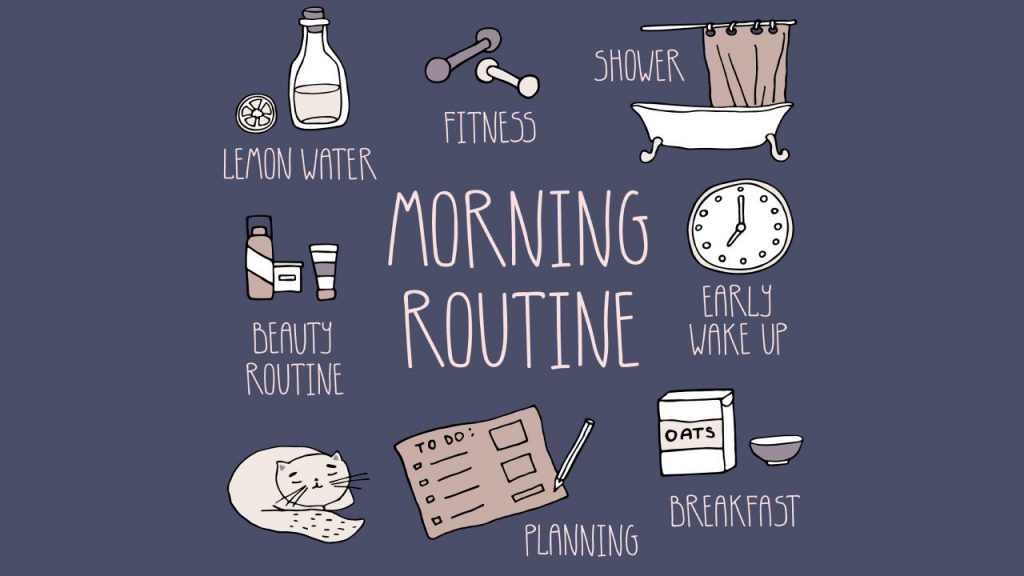
How you start your morning sets the tone for the rest of your day. A well-structured morning routine can improve your productivity, boost your mental and physical health, and enhance your overall well-being. While everyone’s ideal morning routine may differ, the core benefits remain the same: clarity, discipline, and momentum.

Why a Good Morning Routine Matters

1. Boosts Productivity and Focus

A well-planned morning routine allows you to begin your day with intention. Instead of rushing through tasks in a frantic state, you start with a structured approach, ensuring that your most important priorities get attention. Studies show that people who follow a morning routine tend to be more focused and efficient throughout the day.

2. Reduces Stress and Anxiety

Waking up late and scrambling to get out the door creates unnecessary stress. A structured morning routine eliminates that chaotic feeling and gives you a sense of control. When you begin your day calmly, you are less likely to feel overwhelmed and more equipped to handle challenges.

3. Promotes Physical and Mental Well-being

Incorporating healthy habits into your morning—such as exercise, stretching, deep breathing, or meditation—can significantly improve your mental and physical health. Regular movement boosts energy levels, enhances cognitive function, and releases endorphins, which improve mood and reduce stress.

4. Encourages Discipline and Consistency

Discipline is the foundation of long-term success. A morning routine builds good habits by reinforcing discipline. Over time, the simple act of waking up early, exercising, reading, or journaling strengthens your ability to stick to commitments in other areas of life.

5. Sets a Positive Tone for the Day

How you start your morning impacts how you feel for the rest of the day. A chaotic morning often leads to frustration and lack of focus, whereas a well-planned routine fosters positivity and motivation. Starting the day with gratitude, self-reflection, or a personal ritual can help you maintain a positive mindset.

Key Elements of an Effective Morning Routine

Creating a powerful morning routine doesn’t mean you have to wake up at 5 a.m. and follow a rigid checklist. The key is consistency and aligning your habits with your personal goals. Here are some essential elements to consider:

1. Wake Up Early (But Get Enough Sleep!)

The most successful people start their day early, but waking up early means nothing if you’re sleep-deprived. Aim for 7–9 hours of quality sleep and wake up at a time that allows you to ease into your day.

2. Hydrate First Thing

After several hours of sleep, your body is dehydrated. Drinking a glass of water first thing in the morning helps rehydrate your body, kickstarts your metabolism, and improves brain function.

3. Move Your Body

Exercise is one of the most powerful ways to boost energy and mental clarity. Whether it’s a full workout, yoga, stretching, or a brisk walk, movement helps wake up your body and mind.

4. Practice Mindfulness or Gratitude

Take a few minutes to reflect, meditate, or practice gratitude. This simple habit shifts your focus from stress and negativity to positivity and intention. Journaling, deep breathing, or simply sitting in silence can be transformative.

5. Eat a Nutritious Breakfast

Food fuels your brain and body. Avoid processed foods and opt for a balanced breakfast with protein, healthy fats, and fiber to sustain your energy levels throughout the day.

6. Plan Your Day

Before diving into work or social media, take a moment to outline your priorities. Writing down your top tasks or reviewing your schedule ensures that you stay on track and minimize distractions.

7. Limit Screen Time

Many people wake up and immediately check their phones, exposing themselves to stress, negative news, or distractions. Instead, delay screen time and focus on your own thoughts and goals first.

How to Build a Morning Routine That Works for You

1. Start Small – If you’re not used to a structured morning routine, introduce new habits gradually. Small changes are more sustainable than a complete overhaul.

2. Be Realistic – Your routine should fit your lifestyle. If you’re not a morning person, a 5 a.m. wake-up call might not be the best strategy. Find a rhythm that works for you.

3. Stay Flexible – Life happens, and sometimes routines get disrupted. Instead of abandoning the habit altogether, have a flexible mindset and adapt when necessary.

4. Track Your Progress – Journaling or using habit-tracking apps can help you stay accountable and notice improvements in your mood, energy, and productivity.

5. Enjoy the Process – A morning routine should energize and inspire you, not feel like a burden. Find habits that make you feel good and excited to start the day.

Start the Day Right

A great morning routine isn’t about perfection—it’s about consistency and intention. By designing a routine that aligns with your goals and values, you can transform your days from rushed and reactive to calm and productive. Start small, stay consistent, and watch how a well-structured morning sets the foundation for success in every aspect of your life.

Personal Development

The Importance of Developing Communication Skills and Building Lasting Connections

In today’s fast-paced and interconnected world, effective communication skills and the ability to build and maintain relationships are critical for personal and professional success. Whether you’re navigating your career, expanding your social network, or seeking personal growth, mastering the art of communication and relationship-building can open doors to countless opportunities.

Why Communication Skills Matter

Strong communication skills go beyond simply exchanging information; they help convey ideas clearly, foster understanding, and build trust. Here are some key reasons why improving your communication skills is essential:

1. Professional Growth

In the workplace, effective communication is a cornerstone of leadership, teamwork, and productivity. Whether you’re delivering a presentation, negotiating a deal, or collaborating with colleagues, the ability to articulate your thoughts and listen actively can set you apart from the competition.

2. Stronger Relationships

Clear and empathetic communication fosters deeper connections with others, whether in your personal or professional life. Misunderstandings and conflicts often arise due to poor communication, but by honing your skills, you can cultivate meaningful and lasting relationships.

3. Boosting Confidence

When you can express yourself clearly and assertively, it enhances your self-confidence. Being able to speak up in meetings, pitch ideas persuasively, or engage in meaningful conversations with new people can help you navigate various situations with ease.

4. Better Problem-Solving

Effective communication involves listening to diverse perspectives and articulating solutions collaboratively. Whether addressing workplace challenges or resolving personal conflicts, strong communication skills can facilitate more productive outcomes.

The Power of Networking and Making New Contacts

In addition to strong communication skills, the ability to build and sustain professional and social networks is equally valuable. Expanding your circle of contacts can create opportunities, provide fresh perspectives, and enhance your personal and professional development.

1. Unlocking Opportunities

Networking introduces you to new job prospects, potential business partners, and valuable mentors. Many career opportunities arise through connections rather than traditional job applications, making networking an indispensable tool for career advancement.

2. Expanding Knowledge

Connecting with individuals from diverse backgrounds allows you to gain insights and knowledge that you may not encounter in your usual circles. Engaging with new people can expose you to different ideas and innovative ways of thinking.

3. Building a Support System

A strong network provides emotional support, career advice, and mentorship. Whether you’re facing challenges in your career or personal life, having a reliable network to turn to can be invaluable.

4. Enhancing Your Personal Brand

Regularly engaging with others and building a strong network helps establish your credibility and presence in your industry. It allows you to share your knowledge, showcase your expertise, and position yourself as a valuable resource to others.

Tips for Improving Communication and Networking Skills

To develop your communication and networking skills effectively, consider the following strategies:

• Practice Active Listening: Pay close attention to what others are saying, ask clarifying questions, and respond thoughtfully. This shows respect and builds trust.

• Improve Your Non-Verbal Communication: Body language, eye contact, and tone of voice play a significant role in how your message is perceived.

• Be Open and Approachable: Show genuine interest in others, ask questions, and maintain a friendly demeanor to encourage meaningful conversations.

• Follow Up Consistently: Whether after a networking event or an introduction, following up with a message or meeting request helps to nurture and maintain relationships.

• Develop Your Elevator Pitch: Have a concise and compelling way to introduce yourself and your professional background to new contacts.

• Leverage Social Media: Platforms like LinkedIn provide an excellent opportunity to stay connected and engage with your network regularly.

Become a Social Butterfly

Developing your communication skills and the ability to form and sustain new contacts are essential ingredients for success in both your personal and professional life. By improving these skills, you can foster deeper relationships, unlock new opportunities, and position yourself for long-term success. Start by taking small steps today—whether it’s striking up a conversation with a stranger, attending networking events, or refining your communication style—and watch how these efforts positively impact your life.