Business & Work

How to Become Better at Networking: Simple Strategies for Building Genuine Connections

Networking often gets a bad rap. People picture it as awkward small talk, forced smiles, and trading business cards at dull events. But real networking isn’t about schmoozing—it’s about building authentic relationships that open doors, create opportunities, and expand your worldview.

Whether you’re an introvert or extrovert, just starting out or already established, improving your networking skills can be one of the most valuable investments in your personal and professional growth. Here’s how to get better at it—without feeling like a fraud.

1. Shift Your Mindset: Think Relationships, Not Transactions

If you see people as stepping stones to your next gig, they’ll feel it—and nothing shuts a connection down faster. Instead, approach networking as a chance to learn, share, and grow. Focus on being curious about others, not just promoting yourself. Ask real questions. Listen to the answers. Be human.

2. Start Where You Are

You don’t need a fancy conference or a VIP mixer to network. Your classmates, colleagues, local meetups, and even your social media contacts are part of your network. Reach out. Grab coffee. Send a thoughtful message. Don’t underestimate the power of low-stakes, everyday interactions.

3. Practice Your Story

You don’t need a pitch—but you do need clarity. When someone asks what you do or what you’re working on, can you explain it clearly, in a sentence or two? Practice saying who you are, what excites you, and what you’re looking for. Keep it simple, honest, and flexible.

4. Follow Up (and Actually Stay in Touch)

One conversation is great. A real relationship is better. Follow up with a thank-you message or share something relevant you discussed. Put a reminder to check in a month later. Relationship-building takes time and consistency, not just charisma.

5. Offer Help Before You Ask for It

Be the kind of person who adds value. Share a useful article. Connect someone with a resource. Celebrate other people’s wins. Giving first creates trust and often leads to organic opportunities down the road.

6. Be Where the Conversations Are

If you’re passionate about a field, show up. Attend events, join communities, comment on posts, or participate in online forums. Visibility builds familiarity. Familiarity builds trust. Trust builds networks.

7. Don’t Try to Impress. Try to Relate.

People remember how you make them feel—not your résumé. Be relatable. Share your journey, including the bumps. Vulnerability and honesty often create stronger bonds than a polished elevator pitch ever could.

Networking Is a Long Game

There’s no shortcut to meaningful connections—but with intention, empathy, and consistency, you’ll find that your network starts to work for you. The best time to start building it was yesterday. The second-best time is now.

Tip to try this week: Reach out to one person you admire with a short, genuine note—no ask, just appreciation or curiosity. You might be surprised by what happens.


Business & Work

Understanding Systems Thinking: A Blueprint for Solving Complex Problems

We live in a world shaped by complexity. From climate change to healthcare reform, from economic inequality to organizational inefficiency, many of the challenges we face are not isolated incidents—they are part of larger systems. Traditional problem-solving methods often focus on symptoms, not causes. Systems thinking offers a more powerful, long-term approach by shifting the focus from isolated events to the broader patterns that drive them.

What Is Systems Thinking?

Systems thinking is a way of seeing the world that emphasizes relationships and patterns instead of individual parts. It helps us understand how elements within a system interact, influence each other, and create results over time. Instead of asking “What’s wrong?” it asks, “What system is producing this behavior?”

In practice, this means focusing on feedback loops, structures, delays, and the interplay between short-term fixes and long-term effects. It’s a mindset shift: from linear cause-and-effect thinking to a more dynamic, circular understanding of change.

Core Concepts in Systems Thinking

1. Interconnectedness

Everything is linked. Changing one part of a system can affect many others, sometimes in unexpected ways. Systems thinkers look for these connections rather than focusing on parts in isolation.

2. Feedback Loops

Feedback loops are cycles where the output of a system becomes its input. There are two types: reinforcing loops (which amplify changes) and balancing loops (which resist change). Understanding feedback is key to predicting how a system will behave over time.

3. Delays

Not all effects are immediate. Sometimes, a change will produce a result only after a delay. Recognizing this prevents premature conclusions or repeated errors due to impatience.

4. Emergence

The behavior of a system as a whole cannot always be predicted by looking at individual parts. This phenomenon, known as emergence, means that systems can surprise us.

5. Leverage Points

These are places within a system where a small change can produce significant results. Identifying leverage points is a hallmark of effective systems thinking.

Real-World Examples of Systems Thinking

Urban Traffic

Adding more lanes seems like a good fix for traffic. But systems thinkers see the long-term pattern: increased road capacity leads to more drivers, which eventually brings congestion back. Instead, they explore solutions like improving public transportation or redesigning urban spaces to reduce the need for cars.

Public Health

Obesity, for example, isn’t just about personal choices. It involves food systems, marketing, education, income, urban design, and more. Systems thinking helps uncover these interdependencies to create meaningful, lasting interventions.

Organizational Behavior

In a company, declining employee motivation might not be due to laziness but to systemic issues like poor communication, lack of autonomy, or unclear goals. Addressing root causes can transform the culture far more effectively than top-down pressure.

How to Start Thinking in Systems

Map the System

Begin by identifying the components involved. What are the parts? Who are the stakeholders? What flows between them (money, information, energy, etc.)?

Look for Patterns and Trends

Instead of focusing on one-time events, analyze data and observations over time. Ask: what’s recurring? What loops are forming?

Ask Better Questions

Why is this problem persisting? What assumptions are we making? How might one part of the system influence another?

Shift Perspective

Consider how others in the system see the problem. What does it look like from their point of view? This helps you understand hidden variables and power dynamics.

The Mindset Shift We Need

Systems thinking isn’t a technique, it’s a worldview. It asks us to be more curious, more observant, and more strategic. It teaches us that simple fixes often fail, and that long-term, sustainable change requires a deeper understanding of the systems we’re part of. In business, education, health, or daily life, adopting systems thinking can transform how we solve problems and make decisions. It helps us stop reacting to symptoms and start designing for impact. And in a world of complexity, that might just be our greatest advantage.

Business & Work

The Biggest Trends of 2025: What’s Shaping the World This Year

2025 is already shaping up to be a landmark year of innovation, social change, and global realignment. From artificial intelligence breakthroughs to shifts in global labor markets, let’s explore the most impactful trends that are redefining the way we live, work, and connect.

1. AI Goes Mainstream (for Real This Time)

Artificial intelligence isn’t just for tech companies anymore. In 2025, AI is embedded into everyday tools — from personalized education platforms and real-time medical diagnostics to AI co-pilots that help employees manage workloads and decision-making. Generative AI continues evolving, with more businesses adopting custom LLMs for internal knowledge bases and customer service. The most notable trend? AI regulation is catching up, with governments enforcing transparency and ethical standards across the board.

2. Remote Work Evolves into “Work-From-Anywhere”

The hybrid model has matured. In 2025, more professionals are embracing location-independent work — not just remote from home, but truly mobile. Co-living hubs, global coworking memberships, and digital nomad visas are booming, especially in countries like Portugal, Indonesia, and Colombia. The workplace is no longer a fixed place; it’s a dynamic, virtual-first environment.

3. Climate Tech Takes Center Stage

With climate disasters intensifying and pressure mounting, 2025 is seeing explosive growth in climate tech innovation. Carbon capture startups, regenerative agriculture, and next-gen solar technologies are scaling fast. There’s also a rise in climate adaptation investments, helping cities retrofit infrastructure to withstand floods, fires, and heatwaves. Sustainability is no longer a choice; it’s the default.

4. Gen Z Redefines Financial Norms

Gen Z, now a dominant consumer force, is reshaping the finance world. From crypto wallets integrated into social media platforms to a surge in interest for ethical investing and green bonds, their approach is values-driven and tech-savvy. Traditional banks are being forced to adapt, offering fintech-style services, AI chat support, and gamified savings tools.

5. The Rise of Longevity Culture

2025 is the year health spans take priority over lifespans. With booming interest in biohacking, wearable diagnostics, personalized nutrition, and preventative care, a new longevity industry is emerging. Aging is being reframed — not as decline, but as optimization. Wellness isn’t just yoga and green juice anymore; it’s full-on biological self-engineering.

6. Global Power Shifts and Fragmentation

As the world enters a new geopolitical phase, 2025 sees continued decoupling between China and the U.S., regional alliances forming, and digital currencies playing a new role in economic independence. The war in Ukraine, instability in the Middle East, and tensions in Taiwan keep reshaping foreign policy strategies. Meanwhile, the Global South is asserting its voice, particularly in climate negotiations and tech development.

7. Cultural Realignment Through Media

The culture wars are evolving. In 2025, AI-generated art, identity-driven storytelling, and decentralized media platforms are challenging traditional Hollywood and mainstream news. Content is hyper-personalized, niche, and often created with the help of AI. Simultaneously, there’s a pushback — a revival of slow, analog experiences like reading physical books, attending live performances, and “digital detox” retreats.

8. Education Gets a Reboot

Forget degrees — skills are currency in 2025. Credentialing systems are being disrupted by micro-certifications, AI-driven mentorships, and real-world apprenticeships. Universities are being pressured to evolve, while online platforms and bootcamps dominate fields like tech, design, and entrepreneurship. Education is becoming modular, lifelong, and AI-augmented.

Going forward

2025 is all about acceleration, adaptation, and conscious innovation. It’s a year where the future feels tangible, yet still uncertain. The biggest trends this year reflect our attempts to balance tech-driven speed with human-centered values — a dynamic that will continue shaping the decade ahead.

Business & Work

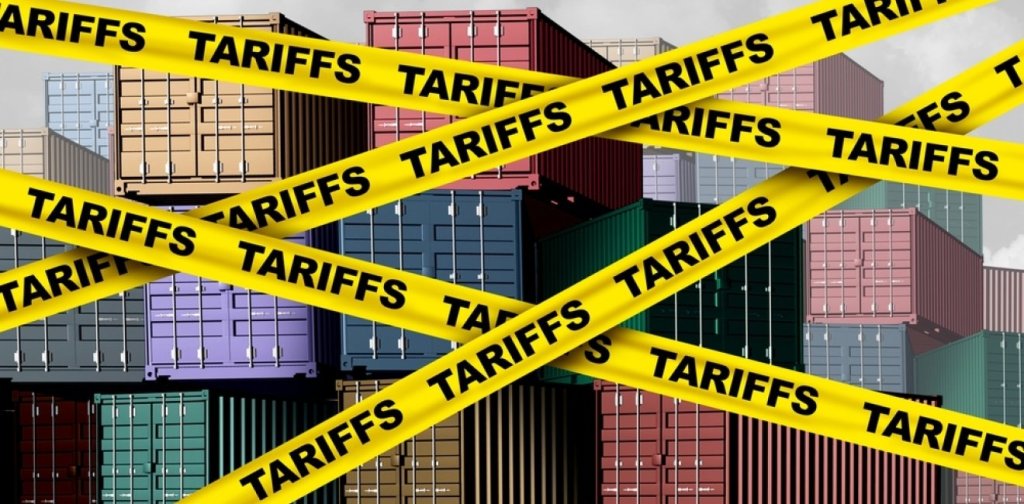
Navigating Tariffs as an Entrepreneur: Practical Strategies to Stay Resilient and Competitive

Tariffs can be unpredictable, and as an entrepreneur, you don’t always have control over when or how they hit. Whether you’re running a startup that relies on imported parts, a small e-commerce business sourcing products from overseas, or a manufacturer exporting to international clients, tariffs can increase your costs, slow down your operations, and complicate your growth plans.

But while you can’t control global trade policies, you can control how you respond. This post outlines a practical, non-political guide for entrepreneurs to deal with tariffs effectively, minimizing risks and staying competitive in a shifting global market.

1. Understand What Tariffs Mean for Your Business

Before making changes, start by identifying exactly how tariffs affect you. Are they increasing the cost of your raw materials or finished products? Are they making your exports less attractive in other markets? Are they slowing your supply chain? Review your vendor list and inventory to pinpoint which goods are subject to current or potential tariffs and calculate how that might impact your pricing, margins, and delivery timelines.

2. Diversify Your Supply Chain

Relying on a single supplier or country puts your business at risk. If tariffs hit that region, your entire operation could be disrupted. Begin sourcing from multiple regions or working with global suppliers who already have diverse networks. In some cases, switching to a domestic supplier—even at a slightly higher upfront cost—may be more stable and cost-effective in the long run.

3. Build More Flexibility Into Your Contracts

When negotiating with suppliers or customers, try to include terms that account for price adjustments due to tariffs or other external cost factors. This ensures that you’re not locked into fixed prices that become unmanageable if import/export costs suddenly rise. Clauses that allow renegotiation or cost-sharing in the event of tariff changes can protect both sides and keep your relationships intact.

4. Improve Inventory Planning

When tariffs are expected, businesses often rush to stock up before the higher prices kick in. If you can afford it, increasing inventory ahead of known tariff deadlines can save money. But overstocking comes with storage and cash flow risks, so always weigh the costs and consider using forecasting tools to balance your inventory needs with potential tariff timelines.

5. Evaluate Pricing and Communication Strategies

If tariffs raise your costs, you may need to adjust your prices. That’s never an easy call, but sometimes it’s necessary to maintain margins. When increasing prices, transparency helps—let your customers know what’s behind the change. Many consumers and B2B clients are already aware of global trade issues and may be more understanding than you think, especially if you explain how you’re working to keep quality and service high.

6. Explore Alternative Markets

If tariffs make it harder to sell in one country, explore others where trade terms are more favorable. Look into free trade agreements that your country has with other regions. There may be untapped demand in places you hadn’t previously considered. Selling into markets with fewer trade barriers can help balance losses elsewhere.

7. Invest in Operational Efficiency

One way to absorb increased costs without raising prices is to make your internal operations more efficient. This could mean reducing waste, automating routine tasks, renegotiating shipping contracts, or refining your product packaging. Small improvements across multiple areas can free up cash to handle new tariffs without compromising on product or service quality.

8. Stay Informed, but Don’t Panic

Tariff news can create uncertainty, but not all headlines lead to permanent changes. Policies often go through multiple stages—proposal, negotiation, revision, delay—before they’re implemented. Instead of reacting emotionally to every announcement, monitor reliable sources, subscribe to trade updates, and build relationships with industry groups that offer early insights and expert guidance.

9. Consult Trade and Tax Professionals

Sometimes the smartest move is to bring in outside help. Trade consultants or customs brokers can help you explore exemptions, classification changes, or restructuring your supply chain to legally reduce exposure. Tax advisors can help you offset tariff-related costs through other savings or credits you may not be using.

10. Use This Time to Innovate

Challenges like tariffs can also be catalysts for innovation. Can you redesign a product to use different components? Can you launch a new product line less dependent on imports? Can you offer digital services that sidestep trade issues altogether? Entrepreneurs thrive when they turn obstacles into new business models or competitive advantages.

Final Thoughts

Tariffs are a reality of doing business in today’s global economy, but they don’t have to derail your progress. By staying flexible, informed, and proactive, you can build a more resilient business—one that’s ready to adapt not just to tariffs, but to any challenge that comes your way.

Stay focused on what you can control. That’s where the smartest moves, and the best opportunities, begin.

Business & Work

Top Trends to Watch in 2025

As we move into 2025, the world is poised for major shifts across industries, technology, and society. From AI-driven automation to breakthroughs in sustainability, here are the key trends shaping the year ahead.

1. AI-Powered Everything

Artificial Intelligence is no longer a novelty—it’s becoming a necessity. In 2025, expect AI to go beyond chatbots and virtual assistants. AI-driven automation will streamline businesses, revolutionize content creation, and enhance personalized experiences across industries. Generative AI will continue improving, helping professionals in fields like healthcare, finance, and marketing optimize their work at unprecedented levels.

2. Hyper-Personalization in Consumer Experiences

The days of one-size-fits-all marketing are over. With advanced AI, brands will tailor products, ads, and services to individual preferences in real-time. From personalized online shopping experiences to AI-curated entertainment and dynamic pricing models, companies will use data-driven insights to offer hyper-customized solutions.

3. The Evolution of Work: Hybrid & AI-Augmented Jobs

Remote work is here to stay, but with a twist. Companies are moving towards a hybrid work model, blending in-office collaboration with flexible remote options. Meanwhile, AI-powered tools are augmenting human jobs rather than replacing them, automating repetitive tasks and enhancing productivity. Upskilling and AI literacy will be crucial for employees to stay competitive in the workforce.

4. Blockchain Beyond Crypto

Blockchain technology is expanding beyond cryptocurrencies. In 2025, expect blockchain to be integrated into supply chain management, digital identity verification, and secure voting systems. With increased concerns over cybersecurity and data privacy, blockchain’s transparency and security will be more valuable than ever.

5. Sustainable Tech & Green Innovations

Sustainability is not just a buzzword anymore—it’s a business imperative. Innovations in renewable energy, carbon capture, and sustainable AI are driving the green revolution. From biodegradable electronics to net-zero emission buildings, companies are investing heavily in eco-friendly solutions. Expect electric vehicles (EVs) to become even more affordable and mainstream, with solid-state battery advancements increasing their efficiency.

6. The Metaverse Grows Up

While the metaverse hype has cooled down, it’s evolving into a practical tool for education, remote work, and social interactions. Expect businesses to use virtual environments for employee training, virtual meetings, and immersive customer experiences. With augmented reality (AR) and virtual reality (VR) innovations, the metaverse will be more user-friendly and accessible than ever.

7. Biotech & Longevity Breakthroughs

The intersection of AI and biotechnology is accelerating medical advancements. Personalized medicine, gene editing (CRISPR), and AI-driven drug discovery are leading to new treatments for previously incurable diseases. In the field of longevity, expect an increased focus on anti-aging research, regenerative medicine, and biohacking, with scientists aiming to extend human lifespan and quality of life.

8. Quantum Computing Enters Practical Use

While still in its early stages, quantum computing is inching closer to real-world applications. Industries like finance, logistics, and pharmaceuticals will see early adoption, as quantum computers begin solving complex problems that were previously impossible for traditional computers. Major players like Google, IBM, and startups in the field will push the technology forward.

9. 5G & the Rise of 6G

5G adoption is expanding globally, enabling faster internet speeds, smart cities, and more advanced IoT applications. Meanwhile, early discussions on 6G are gaining traction, promising even greater connectivity and ultra-low latency for industries like autonomous driving, telemedicine, and AI-powered robotics.

10. The Rebirth of Space Exploration

Space travel is no longer just a government effort—private companies like SpaceX, Blue Origin, and others are making commercial space tourism a reality. In 2025, we will see more moon missions, Mars exploration progress, and even plans for asteroid mining. The space industry is growing rapidly, with new innovations making interplanetary travel more feasible.

The Year of Transformation

2025 is set to be a transformative year, with technological advancements shaping the way we live, work, and interact with the world. Whether it’s AI-driven automation, sustainability innovations, or the evolution of quantum computing, staying ahead of these trends will be crucial for individuals and businesses alike. The future is closer than we think—are you ready for it?