
Germany’s Election Shakes Up Europe: What It Means for the World
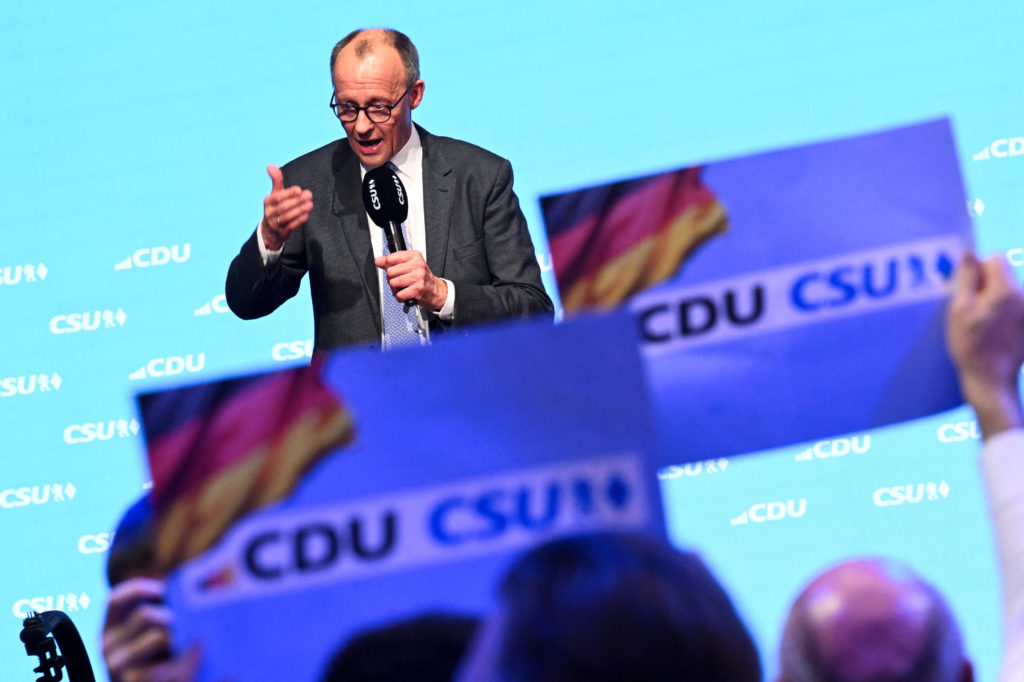
Germany’s latest election results have upended the country’s political landscape, paving the way for a center-right government with strong centrist compromises. As coalition talks unfold, the decisions made in Berlin will ripple across Europe, the United States, and the global order. With Friedrich Merz’s CDU/CSU winning 28.5%, a coalition was inevitable. The most likely outcome is a Kenya coalition (CDU/CSU + SPD + Greens), securing a majority of 56.5% and blocking the far-right AfD from any influence. But what does this mean for Germany’s future and its global role?
A New Government: Stability, but at a Cost
Germany’s most realistic coalition—CDU/CSU + SPD + Greens (Kenya Coalition)—ensures that Friedrich Merz becomes chancellor, leading a moderate, pro-European government that balances conservative fiscal policies with social and environmental compromises to satisfy the SPD and Greens.
What This Means for Germany:
1- Political Stability – The Kenya coalition provides a stable majority, preventing political deadlock.
2- Economic Conservatism – The CDU/CSU will focus on budget discipline, business-friendly policies, and reducing bureaucracy.
3- Climate Policies Will Continue – The Greens will push for a strong environmental agenda, likely securing key ministries related to energy and infrastructure.
4- Social Spending Won’t Disappear – The SPD will resist deep cuts to welfare, pensions, and healthcare.
5- Coalition Tensions Ahead – The CDU’s economic agenda may clash with the SPD and Greens’ social priorities, making compromises necessary.
While the coalition prevents a political crisis, it doesn’t reflect a clear mandate for change, as voters remain deeply divided on issues like immigration, defense, and economic reforms.
What This Means for Europe
A More Independent Europe?
Friedrich Merz has long advocated for a stronger, more self-reliant Europe, reducing dependence on the U.S. for security and economic stability. While Germany will remain committed to the EU and NATO, expect a push for European strategic autonomy, particularly in:
1- Defense Spending – Germany may support a stronger EU military presence alongside NATO.
2- Energy Independence – Expect policies that reduce reliance on Russian gas while accelerating Germany’s transition to renewables.
3- Tougher Economic Rules – The CDU’s economic conservatism means Germany may resist EU-wide debt-sharing or excessive financial aid programs.
Germany’s Role in the EU Power Struggle
With France’s Emmanuel Macron pushing for deeper European integration and Italy’s right-wing government favoring national sovereignty, Germany’s new government could be the deciding force in shaping the EU’s future.
1- More Distance from France? While Scholz was closely aligned with Macron, Merz may pursue a more business-focused relationship with other EU states, particularly Nordic and Eastern European economies.
2- Stronger Ties With Eastern Europe – Germany will likely strengthen its alliances with Poland, the Baltics, and Scandinavian countries, especially in security matters related to Russia.
Overall, expect a Germany that remains deeply embedded in the EU but with a stronger focus on financial discipline and national interests rather than sweeping integration.
Germany-U.S. Relations: A Shift Away from Washington?
Germany’s relationship with the U.S. will remain strong, but subtle shifts in priorities could emerge under Merz’s leadership.
Defense and NATO: More European Control?
While Scholz maintained strong U.S. ties—especially on Ukraine—Merz has signaled a desire for Europe to handle more of its own security affairs. This could mean:
1- Higher German Defense Spending – Germany will continue increasing its military budget, but with a focus on European-led defense initiatives.
2- Less Reliance on U.S. Troops – While American military bases in Germany won’t disappear, Merz may support greater European coordination on defense instead of fully depending on NATO.
Economic Policy: Trade Will Stay Strong
1- Germany remains the U.S.’s biggest European trading partner, and this won’t change.
2- Expect continued collaboration on green energy, semiconductor manufacturing, and industrial supply chains.
3- Germany may resist U.S. efforts to “decouple” from China, as many German industries rely on Chinese markets.
Ukraine Policy: Continued Support, With Limits
1- Germany will continue backing Ukraine against Russia, but the new government could be more cautious about long-term military aid.
2- Merz will likely demand clearer U.S. strategy on Ukraine before committing additional weapons or financial assistance.
3- Germany may push for a diplomatic track alongside military aid, seeking long-term solutions rather than an indefinite proxy war.
4- Expect Germany and the U.S. to remain close allies, but with a more independent-minded Berlin that won’t always follow Washington’s lead.
Global Impact: The AfD’s Rise and the Populist Wave
One of the most alarming results of the election is the AfD’s rise to 20.8%, making them the second-largest party in Germany. While mainstream parties have excluded them from coalition talks, their strong performance mirrors a larger trend of rising right-wing populism across Europe.
1- France’s 2027 Election Could See a Far-Right Victory – Marine Le Pen’s National Rally is polling strongly.
2- Italy’s Giorgia Meloni is Already Leading the EU’s Conservative Bloc – Germany’s shift may embolden her economic and immigration policies.
3- Eastern European Nationalism is Rising – Countries like Hungary and Poland may feel vindicated by Germany’s voter shift.
4- Even though the AfD is not in government, their influence will shape Germany’s policies, forcing the mainstream parties to adopt tougher stances on immigration and national security to prevent further voter defections.
Looking Ahead: What to Expect From Germany’s New Leadership
Germany’s election may not have produced radical change, but it reshapes European politics in critical ways. The Kenya coalition ensures stability but requires constant negotiation between conservatives, social democrats, and environmentalists.
Key Takeaways for the Future:
1- Germany will maintain strong EU leadership but with a greater focus on financial discipline and self-reliance.
2- U.S.-Germany relations remain strong, but expect Germany to push for more European control over defense matters.
3- Ukraine support continues, but with potential limitations as Germany demands a clearer Western strategy.
4- Climate policies will move forward, but economic conservatism may slow aggressive spending on green initiatives.
5- The far-right AfD is now a serious political force, even if they are kept out of government.
As Germany moves into a new political era under Friedrich Merz, the world will be watching closely to see how the country balances economic stability, security challenges, and its leadership role within Europe. Germany’s future is stable but uncertain, and its choices will shape the international order for years to come.



 Daniel Molgan Official