

Personal Development

The Art of Happiness and the Journey Within

Happiness is often seen as a destination, a goal to be achieved, something we pursue through success, relationships, or material wealth. But the true art of happiness lies not in external achievements but in cultivating an inner state of contentment, gratitude, and purpose.

Rethinking Happiness: It’s a Practice, Not a Prize

One of the biggest misconceptions about happiness is that it is a result of external circumstances. People often believe that once they get a better job, find the perfect partner, or accumulate enough wealth, they will finally be happy. But studies in positive psychology suggest that happiness is more about how we perceive life than about what happens to us.

Happiness is an art, something that requires active participation and regular practice. Just as a painter refines their craft over time, we can cultivate happiness by developing habits that nurture positivity and well-being.

The Ingredients of a Happy Life

1. Gratitude: The Key to Perspective

Gratitude is one of the simplest yet most powerful ways to shift our mindset. When we focus on what we have instead of what we lack, we train our brains to see abundance rather than scarcity. Studies have shown that people who practice gratitude regularly experience greater life satisfaction and lower levels of stress.

Practice Tip: Start a gratitude journal and write down three things you’re thankful for each day.

2. Purpose and Meaning

Happiness is deeply connected to having a sense of purpose. People who engage in meaningful activities—whether through work, hobbies, or acts of kindness—tend to report higher levels of happiness. Instead of seeking fleeting pleasures, ask yourself: What gives my life meaning? What makes me excited to wake up in the morning?

Practice Tip: Identify an activity or cause that aligns with your values and commit to it regularly.

3. Mindfulness: Living in the Present

A large part of our unhappiness stems from regrets about the past or anxieties about the future. Mindfulness, the practice of being fully present in the moment—helps us embrace life as it is. When we slow down and truly experience the present, we find joy in simple things: a deep conversation, the warmth of the sun, or the laughter of a loved one.

Practice Tip: Spend five minutes each day in mindful breathing or meditation. Focus on the sensations around you and let go of distractions.

4. Strong Relationships and Social Connection

Humans are wired for connection. Research consistently shows that strong social bonds contribute more to long-term happiness than wealth or fame. Prioritizing quality relationships with family, friends, and community members enhances well-being and provides a support system during difficult times.

Practice Tip: Make time for meaningful conversations and deep connections. Call a friend or spend time with loved ones without distractions.

5. Resilience: Embracing Imperfections

Life is not always smooth, and true happiness comes from learning to navigate challenges with grace. Resilience is the ability to bounce back from setbacks and find meaning in difficulties. Instead of resisting life’s struggles, embrace them as opportunities for growth.

Practice Tip: When faced with challenges, ask yourself: What can I learn from this experience? How can I use this to grow stronger?

Happiness is a Journey, Not a Destination

Happiness isn’t something we stumble upon; it’s something we create every day through our mindset and choices. It’s about embracing life fully, the joys and the struggles—and finding beauty in the little moments.

The art of happiness is a lifelong masterpiece, painted with gratitude, purpose, mindfulness, connection, and resilience. And the best part? You are the artist.

Personal Development

Embracing Change: The Only Constant in Life and Business

The world around us is in a state of perpetual motion. From the shifting tides of economies to the ever-evolving landscape of technology, from personal transformations to global shifts in power, change is the only true constant. Whether we resist it or embrace it, change will happen, so why not prepare for it?

Why Change is Inevitable

1. Technological Advancements: The rapid pace of innovation has reshaped industries, making some skills obsolete while creating new opportunities. Businesses that fail to adapt, like Blockbuster and Kodak, get left behind.

2. Economic and Market Fluctuations: Financial markets rise and fall, consumer behaviors shift, and industries evolve. Companies that thrive are those that anticipate these changes and pivot accordingly.

3. Social and Cultural Shifts: Generational values, political landscapes, and cultural trends influence everything from corporate ethics to individual behaviors. Recognizing these shifts early allows businesses and individuals to stay relevant.

4. Personal Growth and Transitions: People change over time. Our interests, aspirations, and circumstances evolve. Learning to navigate these transitions is crucial for long-term fulfillment and success.

How to Develop an Adaptive Mindset

Adapting to change requires more than just resilience; it requires a mindset that is proactive, flexible, and growth-oriented. Here’s how you can cultivate it:

1. Shift Your Perspective on Change

Instead of seeing change as a threat, view it as an opportunity for growth. Every shift, whether personal or professional, presents a chance to learn something new and improve. The more you embrace this perspective, the easier it becomes to handle uncertainty.

2. Cultivate Lifelong Learning

The most successful people and businesses never stop learning. Stay curious, take courses, read widely, and seek out diverse perspectives. By continuously upgrading your skills and knowledge, you ensure that change doesn’t catch you off guard.

3. Build Emotional Agility

Being adaptable isn’t just about learning new skills—it’s about managing emotions in the face of uncertainty. Practice mindfulness, self-reflection, and emotional intelligence to remain calm and decisive when things don’t go as planned.

4. Develop a Problem-Solving Mindset

Change often presents challenges, but those who thrive see these as problems to be solved rather than barriers. Instead of resisting new circumstances, ask, “How can I make this work in my favor?”

5. Stay Future-Oriented

Complacency is the enemy of progress. Instead of being attached to the present or nostalgic about the past, always look ahead. What trends are emerging? What opportunities could arise from current disruptions? Thinking ahead keeps you prepared.

6. Strengthen Your Network

Surround yourself with people who are adaptable and forward-thinking. A strong network of mentors, peers, and industry leaders can offer valuable insights and support during transitions.

7. Take Calculated Risks

Fear of failure often keeps people stuck in outdated ways of thinking. The most successful individuals and businesses take risks—but they do so strategically. Test new ideas, experiment with change, and refine your approach based on results.

Thrive in a World of Change

Change is inevitable, but how we respond to it is within our control. The individuals and businesses that thrive are those that embrace uncertainty, stay adaptable, and continuously evolve. By shifting our mindset, investing in lifelong learning, and staying future-focused, we can turn change into an advantage rather than a setback.

The question is not if change will come, but how well we will navigate it. Will you resist the tide, or will you ride the wave toward new opportunities? The choice is yours.

Personal Development

The Power of Positive Thinking: A Common Trait Among High Achievers

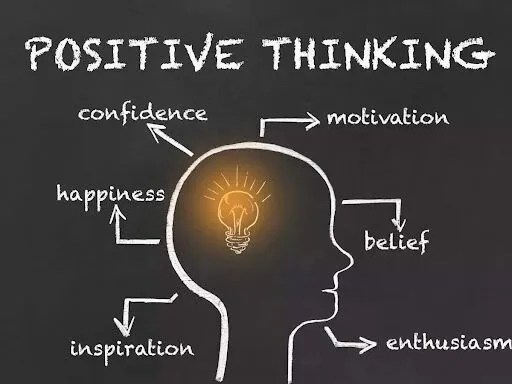
Positive thinking isn’t just a feel-good mantra; it’s a mindset that shapes success. High achievers across industries, from business to sports to science, consistently display optimism and resilience, allowing them to overcome obstacles and reach new heights. But what makes positivity such a powerful force? And why is it a defining trait among the world’s most successful individuals?

The Science Behind Positive Thinking

Research in psychology and neuroscience confirms that positive thinking enhances problem-solving skills, increases resilience, and improves overall health. A study by Barbara Fredrickson, a leading researcher in positive psychology, found that positive emotions expand cognitive flexibility, allowing individuals to think more creatively and find solutions faster. Another study from the Mayo Clinic suggests that optimists tend to live longer and have lower stress levels, leading to greater overall well-being.

High Achievers Who Embrace Positivity

Many of the world’s most successful people credit their achievements to a positive mindset. Here are a few well-known examples:

1. Elon Musk: Optimism in the Face of Failure

Elon Musk, the CEO of Tesla and SpaceX, has faced numerous challenges throughout his career. From Tesla’s near bankruptcy in 2008 to multiple failed rocket launches, Musk has encountered setbacks that would make most entrepreneurs quit. However, his unwavering belief in his vision kept him going. His optimism fueled SpaceX’s eventual success, including the historic partnership with NASA and the launch of reusable rockets.

2. Oprah Winfrey: Overcoming Adversity with Positivity

Oprah Winfrey’s story is a testament to the power of positive thinking. Born into poverty and facing numerous hardships in her early years, Oprah didn’t allow her past to define her future. She attributes much of her success to maintaining a strong, optimistic mindset, which helped her build a media empire and become one of the most influential women in the world. Her philosophy of gratitude and positive thinking continues to inspire millions.

3. Michael Jordan: Using Setbacks as Fuel

Michael Jordan, widely regarded as one of the greatest basketball players of all time, was famously cut from his high school basketball team. Instead of letting this setback define him, Jordan used it as motivation. His positive mindset and relentless work ethic turned him into a six-time NBA champion. He once said, “I can accept failure, everyone fails at something. But I can’t accept not trying.” His ability to focus on solutions rather than problems made him a legendary athlete.

How You Can Cultivate Positive Thinking

If high achievers use positivity to fuel their success, how can you develop a similar mindset? Here are a few strategies:

1. Reframe Negative Thoughts – Instead of focusing on failure, view challenges as learning experiences.

2. Practice Gratitude – Studies show that gratitude increases happiness and reduces stress.

3. Surround Yourself with Positive People – Energy is contagious. Being around optimistic individuals can reinforce a positive mindset.

4. Visualize Success – Many top performers use visualization techniques to mentally prepare for success before it happens.

5. Take Action Despite Fear – Optimists don’t wait for the perfect moment; they move forward with confidence.

Charge up

Positive thinking isn’t about ignoring reality; it’s about approaching life with a mindset that fosters resilience, creativity, and success. The world’s greatest achievers from Elon Musk to Oprah Winfrey, demonstrate that optimism isn’t just a feel-good philosophy; it’s a strategy for turning dreams into reality. By embracing positivity, you, too, can unlock your full potential and achieve greatness.

Business & Work, Personal Development

The Art of Managing a Busy Schedule Effectively

In today’s fast-paced world, balancing work, personal life, and self-improvement can feel like a never-ending challenge. Whether you’re an entrepreneur, a student, or a professional juggling multiple responsibilities, mastering the art of time management is essential. Here’s a practical guide to managing a busy schedule effectively without burning out.

1. Prioritize Ruthlessly

Not all tasks are created equal. To stay on top of your schedule, categorize your tasks using the Eisenhower Matrix:

• Urgent & Important – Do it now.

• Important but Not Urgent – Schedule it.

• Urgent but Not Important – Delegate it.

• Neither Urgent Nor Important – Eliminate it.

Focusing on high-priority tasks ensures that your time is spent where it matters most.

2. Time Blocking for Maximum Efficiency

Instead of reacting to tasks as they come, plan your day in dedicated time blocks. Allocate specific hours for deep work, meetings, personal development, and even breaks. By doing this, you minimize distractions and create a structured workflow.

3. The Power of Saying No

A busy schedule often gets out of control because of excessive commitments. Learn to say no to non-essential tasks, unproductive meetings, or social obligations that don’t align with your goals. Guard your time as your most valuable asset.

4. Leverage Technology for Productivity

Use apps and tools to automate and streamline your tasks:

• Calendar Management: Google Calendar, Outlook

• Task Tracking: Notion, Todoist, Trello

• Automation: Zapier, IFTTT

• Focus Tools: Pomodoro timers, website blockers (e.g., Freedom, Cold Turkey)

By outsourcing your mental load to technology, you free up more time for strategic thinking.

5. Batch Similar Tasks Together

Switching between different types of tasks can drain your energy and reduce efficiency. Instead, group similar tasks together:

• Respond to emails in a fixed time slot.

• Schedule all meetings back-to-back.

• Dedicate a single work session to creative tasks.

This approach reduces mental fatigue and keeps you in the flow.

6. Plan Ahead, Reflect Often

At the end of each day, take 10 minutes to plan the next day. Review what you accomplished, adjust priorities, and ensure nothing falls through the cracks. A weekly or monthly reflection also helps fine-tune your strategy for long-term success.

7. Make Time for Rest and Recovery

Productivity isn’t just about doing more—it’s about sustaining high performance over time. Schedule non-negotiable breaks, prioritize sleep, and incorporate activities that recharge you, such as exercise, meditation, or hobbies.

8. Master Delegation

If you’re managing multiple responsibilities, don’t try to do everything yourself. Delegate tasks to colleagues, assistants, or automation tools. Trusting others with responsibilities frees up your time for high-value work.

9. Limit Distractions and Set Boundaries

A chaotic environment leads to a chaotic schedule. Reduce distractions by:

• Setting clear work hours and boundaries.

• Turning off non-essential notifications.

• Using noise-canceling headphones or quiet spaces.

• Letting people know when you’re in “focus mode.”

Discipline is the key to maintaining an efficient workflow.

10. Adapt and Be Flexible

No schedule is perfect. Unexpected events will arise, and plans will change. The ability to adapt without losing focus is what separates highly effective individuals from overwhelmed ones. Have a system that allows flexibility without derailing your priorities.

Busy, busy, busy!

Managing a busy schedule is an art that requires constant refinement. By prioritizing effectively, leveraging time management techniques, and maintaining balance, you can achieve maximum productivity without burnout. Success isn’t about doing everything—it’s about doing the right things efficiently.

Stay disciplined, stay strategic, and most importantly, take control of your time!

Business & Work, Personal Development

The Power of Identity-Based Habits: A Lesson from Atomic Habits

James Clear’s Atomic Habits is one of the most influential books on personal development, offering a science-backed approach to building good habits and breaking bad ones. One of its most powerful lessons is the concept of identity-based habits—the idea that the key to lasting change isn’t just setting goals but shifting your identity.

Most people fail to stick with new habits because they focus solely on outcomes. They want to lose weight, save money, or read more books, but they don’t change the way they see themselves. Instead of saying, I want to lose weight, Clear suggests saying, I am a healthy person. This identity shift is what makes a habit stick in the long run.

Why Outcome-Based Habits Often Fail

Most people set goals based on their desired outcomes:

• “I want to lose 20 pounds.”

• “I want to run a marathon.”

• “I want to save $10,000.”

While these are great goals, they don’t necessarily lead to permanent behavior change. Why? Because they focus on whatyou want to achieve rather than who you want to become.

If your goal is to run a marathon, but you don’t see yourself as a runner, you’ll struggle to stay consistent when motivation fades. If you aim to save money but still view yourself as someone who’s bad with finances, your spending habits will eventually revert.

This is where identity-based habits come in. Instead of focusing on what you want to achieve, focus on the type of person you want to become.

Shifting to Identity-Based Habits

Clear explains that lasting change happens when we shift from outcome-based goals to identity-based habits. Here’s how that looks in practice:

• Outcome-Based Goal: “I want to read more books.”

• Identity-Based Habit: “I am a reader.”

• Outcome-Based Goal: “I want to exercise more.”

• Identity-Based Habit: “I am an active person.”

• Outcome-Based Goal: “I want to stop smoking.”

• Identity-Based Habit: “I am a non-smoker.”

The difference may seem subtle, but it’s transformational. By defining yourself as the person you want to be, every small action reinforces that identity, making it easier to stay consistent.

How to Apply Identity-Based Habits in Your Life

1. Decide Who You Want to Be

Instead of just setting a goal, define the kind of person who naturally achieves that goal. If you want to eat healthier, shift your mindset from I need to lose weight to I am someone who values my health.

Ask yourself:

• “Who is the kind of person that achieves this goal?”

• “What habits does that person have?”

If you want to become a runner, start thinking like one: What would a runner do today? Even if it’s just a five-minute jog, you are proving to yourself that you are now a runner.

2. Prove It to Yourself with Small Wins

Every action you take is a vote for the type of person you want to become. If you write a single sentence today, you have acted as a writer. If you choose water over soda, you’ve made a decision that aligns with a healthier identity.

It’s not about instant perfection, it’s about casting hundreds of small votes in favor of the person you want to become. Over time, these small wins reinforce your new identity.

3. Focus on the Process, Not Just the Outcome

Most people focus on the finish line—how much weight they want to lose or how much money they want to save. But real progress happens when you shift your focus to the process itself.

Instead of saying, I want to lose 20 pounds, focus on I am someone who exercises and eats nutritious food daily. This helps you stick with the habit long after you’ve hit the goal.

Similarly, instead of aiming to read 30 books this year, focus on being the type of person who reads every day. Even if you read just five pages, it reinforces your identity as a reader.

4. Avoid the Trap of “Fake Identities”

Becoming the person you want to be isn’t just about thinking differently—it’s about proving it through action. Many people claim a new identity but don’t back it up with consistent behavior.

For example, saying, I am a healthy person while eating junk food daily doesn’t create lasting change. You need to align your actions with your new identity. Every decision, no matter how small, should reinforce the person you are becoming.

The Long-Term Impact of Identity-Based Habits

When you shift your identity, habits become effortless. You no longer need to push yourself to go to the gym—you simply see yourself as someone who works out. You don’t have to force yourself to read—you naturally pick up books because that’s what a reader does.

Clear puts it this way:

“Every action is a vote for the type of person you wish to become.”

With enough votes, your new identity becomes ingrained. You no longer have to rely on willpower or motivation because your habits are a natural extension of who you are.

Your Identity and Your Habits

Your habits shape your identity, but your identity also shapes your habits. If you shift your focus from what you want to achieve to who you want to become, you create a self-reinforcing cycle of success.

Instead of chasing temporary results, build a system where your desired behaviors become second nature. When you embrace identity-based habits, success stops being about motivation or discipline, it simply becomes who you are.

So, who do you want to become?