
Business & Work

Transforming Healthcare: Why Stem Cell Therapy is the Next Big Investment Opportunity

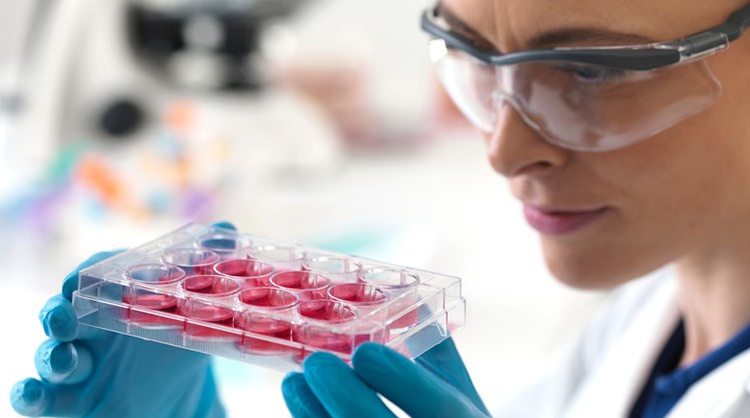
The dream of reversing aging, rebuilding organs, and curing degenerative diseases is no longer confined to the realm of science fiction. Advances in stem cell therapy are bringing humanity closer to a medical revolution that promises to repair, rejuvenate, and even replace damaged tissues and organs. For entrepreneurs, the time to invest in this transformative field is now—both for its life-altering potential and its untapped market opportunities.

Stem cells are the body’s master cells, capable of differentiating into various specialized cells like muscle, bone, nerve, and skin. Their regenerative properties make them a cornerstone of modern medical research. Whether harvested from embryos, adult tissues, or reprogrammed from mature cells (induced pluripotent stem cells), these biological powerhouses have demonstrated extraordinary potential in repairing and regenerating damaged tissues.

Key applications of stem cell therapy include:

Rebuilding Organs: Scientists are exploring lab-grown organs using stem cells. This could eliminate the need for organ transplants, ending the long waitlists and risks of rejection.

Reversing Atrophy: From muscular dystrophy to age-related muscle loss, stem cell injections have shown promise in rejuvenating muscle strength and function.

Degenerative Disease Treatment: Conditions like Alzheimer’s, Parkinson’s, and arthritis might be reversed as stem cells replace damaged neurons, cartilage, or other tissues.

Personalized Medicine: Stem cells enable tailored treatments by leveraging an individual’s own biological material, reducing the risk of rejection or adverse effects.

These breakthroughs position stem cell therapy as a multi-billion-dollar industry in the making.

Why the Time to Invest is Now

The global stem cell market is projected to surpass $25 billion by 2030, driven by aging populations, increasing healthcare demands, and breakthroughs in regenerative medicine. Early movers in this space are poised to reap massive rewards as the industry scales. Consider these factors:

Growing Demand: Chronic and age-related diseases are on the rise, with over 60% of adults worldwide living with at least one chronic condition. Stem cell therapies offer a solution to a market in desperate need of innovation.

Technological Advances: Breakthroughs in cell reprogramming, gene editing, and lab-grown tissues have significantly reduced costs and increased efficiency, making the technology more accessible.

Regulatory Progress: Governments worldwide are beginning to recognize the importance of regenerative medicine, expediting approvals and offering funding for research.

Cross-Industry Applications: Beyond healthcare, stem cells are finding uses in cosmetics, anti-aging therapies, and even veterinary medicine, creating diverse revenue streams.

What Entrepreneurs Can Do Today

The stem cell revolution is not just for biotech companies. Entrepreneurs and investors from all sectors can enter this space by:

Funding Research: Partnering with universities and labs to accelerate breakthroughs and own intellectual property.

Launching Clinics: Establishing treatment centers in regions with favorable regulations and high demand.

Building Supply Chains: Investing in the production and distribution of stem cell-based therapies and lab equipment.

Advancing Technology: Developing AI-driven tools to enhance stem cell research and personalized therapy design.

By acting now, entrepreneurs can position themselves as pioneers in a field that promises to redefine human health and longevity. Stem cell therapy is more than a medical breakthrough, it’s the foundation of a trillion-dollar future.

Personal Development

The Future of Anti-Aging: How Technology is Transforming Youth Industry Research

In recent years, the anti-aging and youth enhancement industry has seen groundbreaking advancements driven by rapid developments in technology and scientific research. No longer relegated to myths and wishful thinking, the idea of slowing or even reversing the aging process is steadily becoming a reality. As the world continues to embrace innovation, new technologies promise to transform our understanding of aging and offer possibilities for extending our youthful years. Here’s a look at the latest research on the youth industry and how these cutting-edge technologies might help slow down or even undo aging in the coming decades.

The Rise of Longevity Science

One of the most exciting developments in the youth industry is the rise of longevity science, a field focused on extending the human lifespan by addressing the biological processes that cause aging. Scientists have made great strides in understanding how cellular damage, oxidative stress, and genetic factors contribute to aging. Researchers are exploring ways to target these root causes at the molecular level, aiming to enhance our natural ability to repair and regenerate.

Among the promising breakthroughs is senolytics, a class of drugs that targets and removes senescent cells—old, damaged cells that no longer divide but continue to accumulate in the body, contributing to age-related diseases. By eliminating these cells, senolytics have the potential to rejuvenate tissues, improve overall health, and extend lifespan.

The Role of Artificial Intelligence and Big Data

Artificial intelligence (AI) is playing a pivotal role in the future of anti-aging research. With its ability to analyze vast amounts of data quickly, AI is helping researchers identify patterns and predict how certain treatments can affect the aging process. For example, AI-driven drug discovery is accelerating the search for compounds that can promote cellular regeneration or prevent the accumulation of senescent cells.

In addition, AI is being used to personalize health interventions. By analyzing individual genetic data, biomarkers, and lifestyle factors, AI can recommend customized anti-aging treatments tailored to a person’s unique biological makeup. This precision approach could significantly enhance the effectiveness of anti-aging therapies in the coming years.

The Promise of Gene Editing and Stem Cell Therapy

Perhaps the most futuristic of the emerging technologies, gene editing and stem cell therapy are poised to revolutionize how we approach aging. The gene-editing tool CRISPR has made it possible to modify specific genes associated with aging, potentially turning back the clock on certain age-related conditions. Scientists are also exploring ways to use CRISPR to repair DNA damage, one of the leading contributors to the aging process.

Meanwhile, stem cell therapy offers the potential to regenerate tissues and organs, replacing cells that have become damaged or lost over time. By harnessing the power of stem cells, scientists hope to develop treatments that can rejuvenate the skin, bones, muscles, and even organs, effectively reversing signs of aging at the cellular level.

Biotech and Personalized Supplements

The biotech industry is also making waves with the development of personalized supplements designed to slow the aging process. These supplements are created using data from an individual’s genome, microbiome, and other biological factors to create a customized formula aimed at optimizing cellular health and longevity.

One such innovation is NAD+ boosters, which target the natural decline of NAD+ (nicotinamide adenine dinucleotide) levels in our cells as we age. NAD+ plays a crucial role in energy metabolism and cellular repair. By boosting NAD+ levels, scientists believe it may be possible to improve mitochondrial function, slow down the aging process, and even reverse certain aspects of cellular aging.

Wearable Technology and Continuous Monitoring

The future of anti-aging isn’t just about treatments and supplements—it’s also about prevention and continuous monitoring. Wearable technology like smartwatches, biosensors, and health trackers are becoming essential tools in managing aging. These devices monitor key health metrics such as heart rate variability, sleep quality, and blood glucose levels, providing real-time data that can be used to make lifestyle adjustments that promote longevity.

Additionally, continuous glucose monitors (CGMs) and other biosensors offer insights into how the body reacts to diet, exercise, and stress. This data-driven approach empowers individuals to make informed choices about their health, reducing the risk of age-related diseases and potentially extending their lifespan.

The Future of Anti-Aging: What’s Next?

As we look toward the future, the combination of emerging technologies, advanced scientific research, and personalized interventions holds immense promise for slowing down or even reversing aging. In the next few decades, we can expect the youth industry to evolve in remarkable ways:

1. Holistic Regeneration: Treatments will likely focus on comprehensive rejuvenation at the cellular, tissue, and organ levels, allowing individuals to maintain youthful vitality far into their later years.

2. Personalized Longevity Plans: Using AI, gene editing, and continuous monitoring, individuals may have access to personalized health and longevity plans tailored to their unique biology and lifestyle.

3. Regenerative Medicine: Stem cell therapy and gene editing will likely be used to repair and regenerate aging tissues and organs, offering the possibility of longer, healthier lives.

4. Integrative Approaches: Future anti-aging strategies will likely integrate dietary interventions, exercise, mental health practices, and cutting-edge biotech to create a comprehensive approach to longevity.

Getting older without getting old

The future of aging is no longer defined by decline and frailty. Thanks to the convergence of AI, gene editing, stem cell therapy, and personalized medicine, we are on the verge of a revolution in how we approach aging. With continued research and technological advancements, the dream of extending youthfulness and health well into old age may soon become a reality. The question is no longer if we can slow down or reverse aging, but when these technologies will be available for widespread use. The coming decades hold incredible potential for transforming the way we age, and for redefining what it means to be young.