
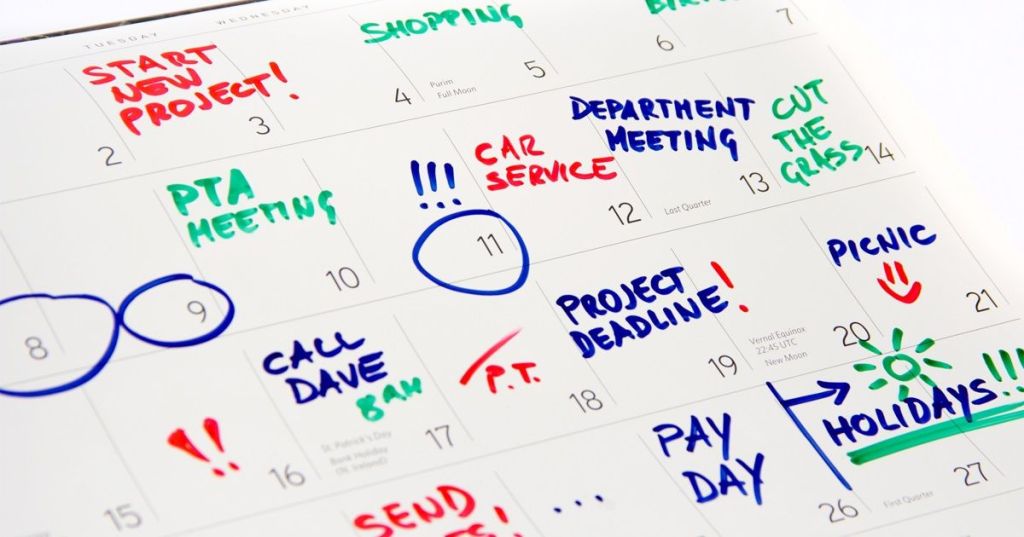
In today’s fast-paced world, balancing work, personal life, and self-improvement can feel like a never-ending challenge. Whether you’re an entrepreneur, a student, or a professional juggling multiple responsibilities, mastering the art of time management is essential. Here’s a practical guide to managing a busy schedule effectively without burning out.
1. Prioritize Ruthlessly
Not all tasks are created equal. To stay on top of your schedule, categorize your tasks using the Eisenhower Matrix:
• Urgent & Important – Do it now.
• Important but Not Urgent – Schedule it.
• Urgent but Not Important – Delegate it.
• Neither Urgent Nor Important – Eliminate it.
Focusing on high-priority tasks ensures that your time is spent where it matters most.
2. Time Blocking for Maximum Efficiency
Instead of reacting to tasks as they come, plan your day in dedicated time blocks. Allocate specific hours for deep work, meetings, personal development, and even breaks. By doing this, you minimize distractions and create a structured workflow.
3. The Power of Saying No
A busy schedule often gets out of control because of excessive commitments. Learn to say no to non-essential tasks, unproductive meetings, or social obligations that don’t align with your goals. Guard your time as your most valuable asset.
4. Leverage Technology for Productivity
Use apps and tools to automate and streamline your tasks:
• Calendar Management: Google Calendar, Outlook
• Task Tracking: Notion, Todoist, Trello
• Automation: Zapier, IFTTT
• Focus Tools: Pomodoro timers, website blockers (e.g., Freedom, Cold Turkey)
By outsourcing your mental load to technology, you free up more time for strategic thinking.
5. Batch Similar Tasks Together
Switching between different types of tasks can drain your energy and reduce efficiency. Instead, group similar tasks together:
• Respond to emails in a fixed time slot.
• Schedule all meetings back-to-back.
• Dedicate a single work session to creative tasks.
This approach reduces mental fatigue and keeps you in the flow.
6. Plan Ahead, Reflect Often
At the end of each day, take 10 minutes to plan the next day. Review what you accomplished, adjust priorities, and ensure nothing falls through the cracks. A weekly or monthly reflection also helps fine-tune your strategy for long-term success.
7. Make Time for Rest and Recovery
Productivity isn’t just about doing more—it’s about sustaining high performance over time. Schedule non-negotiable breaks, prioritize sleep, and incorporate activities that recharge you, such as exercise, meditation, or hobbies.
8. Master Delegation
If you’re managing multiple responsibilities, don’t try to do everything yourself. Delegate tasks to colleagues, assistants, or automation tools. Trusting others with responsibilities frees up your time for high-value work.
9. Limit Distractions and Set Boundaries
A chaotic environment leads to a chaotic schedule. Reduce distractions by:
• Setting clear work hours and boundaries.
• Turning off non-essential notifications.
• Using noise-canceling headphones or quiet spaces.
• Letting people know when you’re in “focus mode.”
Discipline is the key to maintaining an efficient workflow.
10. Adapt and Be Flexible
No schedule is perfect. Unexpected events will arise, and plans will change. The ability to adapt without losing focus is what separates highly effective individuals from overwhelmed ones. Have a system that allows flexibility without derailing your priorities.
Busy, busy, busy!
Managing a busy schedule is an art that requires constant refinement. By prioritizing effectively, leveraging time management techniques, and maintaining balance, you can achieve maximum productivity without burnout. Success isn’t about doing everything—it’s about doing the right things efficiently.
Stay disciplined, stay strategic, and most importantly, take control of your time!

 Daniel Molgan Official