
Business & Work, Personal Development

The Art of Managing a Busy Schedule Effectively

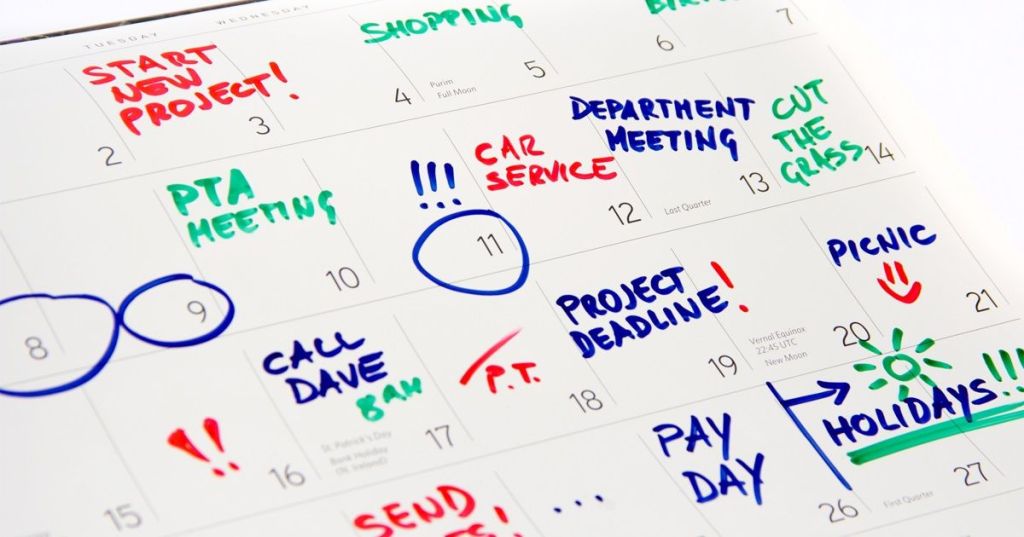
In today’s fast-paced world, balancing work, personal life, and self-improvement can feel like a never-ending challenge. Whether you’re an entrepreneur, a student, or a professional juggling multiple responsibilities, mastering the art of time management is essential. Here’s a practical guide to managing a busy schedule effectively without burning out.

1. Prioritize Ruthlessly

Not all tasks are created equal. To stay on top of your schedule, categorize your tasks using the Eisenhower Matrix:

• Urgent & Important – Do it now.

• Important but Not Urgent – Schedule it.

• Urgent but Not Important – Delegate it.

• Neither Urgent Nor Important – Eliminate it.

Focusing on high-priority tasks ensures that your time is spent where it matters most.

2. Time Blocking for Maximum Efficiency

Instead of reacting to tasks as they come, plan your day in dedicated time blocks. Allocate specific hours for deep work, meetings, personal development, and even breaks. By doing this, you minimize distractions and create a structured workflow.

3. The Power of Saying No

A busy schedule often gets out of control because of excessive commitments. Learn to say no to non-essential tasks, unproductive meetings, or social obligations that don’t align with your goals. Guard your time as your most valuable asset.

4. Leverage Technology for Productivity

Use apps and tools to automate and streamline your tasks:

• Calendar Management: Google Calendar, Outlook

• Task Tracking: Notion, Todoist, Trello

• Automation: Zapier, IFTTT

• Focus Tools: Pomodoro timers, website blockers (e.g., Freedom, Cold Turkey)

By outsourcing your mental load to technology, you free up more time for strategic thinking.

5. Batch Similar Tasks Together

Switching between different types of tasks can drain your energy and reduce efficiency. Instead, group similar tasks together:

• Respond to emails in a fixed time slot.

• Schedule all meetings back-to-back.

• Dedicate a single work session to creative tasks.

This approach reduces mental fatigue and keeps you in the flow.

6. Plan Ahead, Reflect Often

At the end of each day, take 10 minutes to plan the next day. Review what you accomplished, adjust priorities, and ensure nothing falls through the cracks. A weekly or monthly reflection also helps fine-tune your strategy for long-term success.

7. Make Time for Rest and Recovery

Productivity isn’t just about doing more—it’s about sustaining high performance over time. Schedule non-negotiable breaks, prioritize sleep, and incorporate activities that recharge you, such as exercise, meditation, or hobbies.

8. Master Delegation

If you’re managing multiple responsibilities, don’t try to do everything yourself. Delegate tasks to colleagues, assistants, or automation tools. Trusting others with responsibilities frees up your time for high-value work.

9. Limit Distractions and Set Boundaries

A chaotic environment leads to a chaotic schedule. Reduce distractions by:

• Setting clear work hours and boundaries.

• Turning off non-essential notifications.

• Using noise-canceling headphones or quiet spaces.

• Letting people know when you’re in “focus mode.”

Discipline is the key to maintaining an efficient workflow.

10. Adapt and Be Flexible

No schedule is perfect. Unexpected events will arise, and plans will change. The ability to adapt without losing focus is what separates highly effective individuals from overwhelmed ones. Have a system that allows flexibility without derailing your priorities.

Busy, busy, busy!

Managing a busy schedule is an art that requires constant refinement. By prioritizing effectively, leveraging time management techniques, and maintaining balance, you can achieve maximum productivity without burnout. Success isn’t about doing everything—it’s about doing the right things efficiently.

Stay disciplined, stay strategic, and most importantly, take control of your time!

Personal Development

Motivation vs. Discipline: Understanding the Key to Long-Term Success

When pursuing any goal, whether personal, professional, or academic—two key forces come into play: motivation and discipline. While they are interconnected, they serve very different purposes. Many people think they can rely solely on motivation to achieve their dreams, but this belief often leads to disappointment. The truth is, motivation is a great starting point, but discipline is what carries you to the finish line. In this blog post, we’ll explore the differences between motivation and discipline, why they matter, and how you can harness both to stay on track and succeed.

What is Motivation?

Motivation is the spark that ignites your desire to take action. It’s the emotional drive that makes you excited to start something new. Think of the exhilaration you feel when you first decide to lose weight, learn a new skill, or start a project. That rush of excitement is motivation at work. Motivation comes in two main forms: intrinsic and extrinsic. Intrinsic motivation is driven by personal satisfaction or enjoyment, like learning a language because you love the culture. Extrinsic motivation, on the other hand, is fueled by external factors such as rewards, recognition, or avoiding punishment, like studying hard to pass an exam or get a promotion.

Motivation is powerful and can push you to make significant changes, but it’s fleeting. It’s easy to feel motivated when everything is going well, but what happens when the excitement fades or you encounter obstacles? That’s where discipline steps in.

What is Discipline?

Discipline is the consistent ability to take action, regardless of how you feel. Unlike motivation, which is emotional, discipline is logical and habitual. It’s waking up early to work on your goals even when you’re tired or don’t feel like it. Discipline is about commitment, self-control, and the willingness to do what’s necessary, even when it’s uncomfortable or inconvenient. Unlike motivation, discipline doesn’t depend on external or internal triggers. Instead, it relies on the systems and habits you’ve built. For example, if you’re trying to stay fit, discipline ensures you go to the gym on a rainy day or prepare healthy meals even when you’re tempted to order takeout.

How Are Motivation and Discipline Different?

Motivation and discipline often overlap, but their differences are crucial to understand. Motivation gets you excited to start something new, but discipline ensures you stick with it long enough to see results. Motivation is fleeting, influenced by mood and circumstances, while discipline is steady and consistent. Think of motivation as the burst of energy you feel when starting a race and discipline as the endurance that keeps you running until the finish line.

Why Both Are Essential for Long-Term Success

The interplay between motivation and discipline is essential for long-term success. For example, imagine you’re preparing for an important exam. Motivation might push you to create a study plan or buy materials, but only discipline will keep you reviewing notes daily and sticking to your schedule. Similarly, if you’re launching a business, motivation might inspire your initial vision and plans, but discipline will drive you to execute those plans, troubleshoot challenges, and show up even when the journey feels hard.

How to Cultivate Both Motivation and Discipline

Cultivating both motivation and discipline is essential. To harness motivation, find your “why.” Understanding the deeper purpose behind your goal can keep the fire burning, even when it dims. Celebrate small wins to stay inspired and acknowledge how far you’ve come. For discipline, build habits that make taking action automatic. Break big goals into smaller, manageable tasks and create a routine that supports consistency. When setbacks happen, focus on your commitment rather than waiting for the next surge of motivation.

The right mix

Motivation and discipline are not opposites but complementary tools that work together to help you achieve your dreams. Motivation fuels the start of your journey, giving you the emotional energy to envision your success. Discipline ensures that vision becomes a reality, guiding you through the tough times when enthusiasm alone isn’t enough. By embracing both, you can set yourself up for success, build lasting habits, and achieve even your most ambitious goals. Remember, motivation is what gets you started, but discipline is what keeps you going.

Personal Development

How to Write and Prepare Your New Year’s Resolutions

The start of a new year is the perfect time to reflect on the past and set intentions for the future. However, many New Year’s resolutions fail because they are vague, unrealistic, or lack a solid plan for execution. This guide will help you craft meaningful resolutions and create a framework to stick to them throughout the year.

Step 1: Reflect on the Past Year

Before setting new goals, take time to evaluate the past year:

Celebrate successes: Write down your accomplishments, no matter how small.

Acknowledge challenges: Identify areas where you struggled and think about what might have held you back.

Learn from experiences: Reflect on the lessons you’ve learned and how they can inform your goals for the upcoming year.

Step 2: Define Your Priorities

Not all goals are created equal. Start by determining what matters most to you:

Personal growth: Are there skills or habits you want to develop?

Health and well-being: Do you want to focus on physical fitness, mental health, or both?

Relationships: Are there connections you’d like to nurture or new ones to build?

Career or academics: What milestones or advancements do you want to achieve?

Step 3: Set SMART Goals

Use the SMART framework to make your resolutions actionable:

Specific: Clearly define what you want to achieve. Instead of “get healthy,” try “exercise three times a week.”

Measurable: Include metrics to track your progress. For example, “save $5,000 by December” is measurable.

Achievable: Be realistic about what you can accomplish given your current resources and circumstances.

Relevant: Ensure your goal aligns with your priorities and values.

Time-bound: Set a deadline to create urgency and structure.

Step 4: Break Down Goals into Steps

Large goals can feel overwhelming, so divide them into smaller, manageable tasks. For example:

• Goal: Write a book in 2024.

• Steps: Outline the chapters in January, write one chapter per month, and edit by November.

Step 5: Create a Support System

Accountability increases the likelihood of success. Share your goals with trusted friends or family members who can encourage you. Alternatively, join a group or community with similar goals, such as a fitness class or writing group.

Step 6: Use Tools to Stay Organized

Leverage tools to keep track of your progress:

Journals or planners: Write down your goals and track daily or weekly progress.

Apps: Use goal-setting apps like Habitica or Todoist to monitor habits and tasks.

Vision boards: Visualize your goals with images and affirmations to stay motivated.

Step 7: Monitor Progress and Adjust

Regularly review your resolutions and assess your progress:

• Set monthly or quarterly check-ins to evaluate how you’re doing.

• Be flexible. If a goal feels unattainable, adjust your approach or timeline instead of giving up.

Step 8: Reward Yourself

Celebrate milestones along the way to stay motivated. Rewards don’t have to be extravagant—a simple treat or a day off can reinforce your commitment to your goals.

Step 9: Embrace the Journey

Resolutions are not about perfection but progress. Even if you stumble, remember that each step forward is a step closer to success. Approach the process with patience, resilience, and a growth mindset.

As you prepare your New Year’s resolutions, focus on crafting meaningful, actionable goals that inspire you to become the best version of yourself. With reflection, planning, and commitment, you can turn your aspirations into achievements in the coming year. Happy New Year in advance!

Business & Work, Personal Development

Mastering Organization: 10 Proven Ways to Make Your Life and Plans More Organized

In today’s fast-paced world, organization has become more essential than ever. Staying organized not only helps reduce stress but also improves productivity, makes tasks manageable, and frees up time for the things we love. Here are 10 practical ways to make your life and plans more organized so that you can stay on top of your goals and make room for new adventures.

1. Set Clear Goals and Prioritize Tasks

Every organized life starts with clear goals. Write down your short-term and long-term goals, whether they relate to work, personal growth, or relationships. Prioritizing tasks helps focus on what matters most. Try breaking goals into smaller, actionable tasks and arrange them by priority. This way, you can tackle each step without feeling overwhelmed.

2. Use a Planner or Digital Calendar

A planner is invaluable for keeping track of daily, weekly, and monthly tasks. You can go for a traditional paper planner, which allows for a hands-on approach, or use digital tools like Google Calendar, Trello, or Notion. Digital planners are especially helpful for setting reminders and sharing schedules with others, giving you the flexibility to adapt as plans change.

3. Create Daily and Weekly Routines

Having a routine saves you from wasting time wondering what to do next. A daily routine might include morning stretches, breakfast, and setting intentions for the day. A weekly routine could include meal prep, laundry, and weekly goal reviews. Routines don’t just make your life smoother—they also build momentum that keeps you progressing steadily.

4. Declutter Your Space Regularly

A cluttered environment often leads to a cluttered mind. Set aside time each month to declutter your space, whether that’s your workspace, living area, or closet. This helps to maintain a clean, calming environment, which, in turn, improves focus and reduces stress.

5. Use To-Do Lists

To-do lists are a classic organization tool. Write down all the tasks you need to accomplish for the day or week and tick them off as you complete them. This simple act of checking items off can be highly motivating and helps ensure nothing falls through the cracks.

6. Practice Time Management

Time management is key to staying organized. Try using techniques like the Pomodoro Technique, where you work for 25 minutes and then take a 5-minute break. This method maximizes focus and prevents burnout. Alternatively, set specific times for tasks so you can work efficiently without losing track of time.

7. Learn to Delegate and Say No

Many people struggle with organization because they’re trying to do too much on their own. Learn to delegate tasks where possible, whether it’s at work or home. Additionally, practice saying “no” when you’re overloaded. Taking on more than you can handle leads to chaos, while a streamlined workload promotes focus and efficiency.

8. Set Up a Filing and Labeling System

In both digital and physical spaces, having a filing and labeling system can work wonders. Use folders and labels for documents, files, and supplies. Digitally, create specific folders for various tasks and save files with descriptive names. This makes finding what you need faster, saving valuable time and reducing stress.

9. Plan Your Meals and Health Goals

Staying organized isn’t just about work—personal life and health matter too. Plan your meals for the week ahead to save time and reduce the urge to grab unhealthy options. Similarly, set health goals, whether it’s drinking more water, exercising, or practicing mindfulness, to keep yourself feeling energized and focused.

10. Review and Adjust Your Plans Regularly

Life can be unpredictable, so it’s essential to periodically review and adjust your plans. Set aside time each week or month to look over your progress and see if adjustments are needed. This habit ensures you’re staying aligned with your goals while allowing room for flexibility.

Incorporating even a few of these strategies can make a tremendous difference in your organization levels. The key is to start small—choose one or two ideas that resonate with you and implement them gradually. Over time, you’ll find yourself with a clearer mind, a more structured day, and more energy for pursuing what truly matters.

Personal Development

Unleashing the Power of Inspiration: How to Get More Done

In our quest to be productive and accomplish more, we often look for tools, apps, and techniques that can help us manage time and energy more efficiently. But there’s an often-overlooked source of productivity that can transform how we work: inspiration. When you feel truly inspired, tasks that seemed challenging become exciting, and time seems to fly by. Harnessing the power of inspiration can help you reach new heights in your personal and professional life. Here’s how to tap into this often-misunderstood resource to maximize productivity and fulfillment.

1. Define Your ‘Why’

Understanding your purpose is the first step in finding inspiration. When you know why you’re doing something, even mundane tasks take on a new meaning. Reflect on your core motivations. Why is this project, job, or goal important to you? What impact will it have on your life or the lives of others? Having a clear purpose connects you to a greater sense of meaning, fueling a more natural, deep-rooted drive to act.

Actionable Tip: Write down your “why” at the beginning of each day or week. Keep it in sight where you work to reinforce your motivation.

2. Surround Yourself with Inspiration

Our surroundings shape our mindset. Create an environment that cultivates inspiration by bringing in elements that resonate with your goals, passions, and values. This can include anything from the decor in your workspace to the people you engage with. Think about the art, quotes, or colors that make you feel energized, or make a habit of connecting with people who inspire and motivate you.

Actionable Tip: Dedicate 15 minutes each day to connecting with inspiring content – be it a book, podcast, article, or conversation with a mentor. These small encounters can leave lasting impressions.

3. Start With Small Wins

Sometimes, inspiration doesn’t come until we’re already in motion. When you’re struggling to feel inspired, break down your tasks into smaller steps and focus on completing one at a time. These small accomplishments can fuel a sense of momentum that builds up to bigger achievements.

Actionable Tip: Create a list of quick wins that align with your goal. Ticking these off will give you an instant sense of progress and can spark inspiration.

4. Visualize the Outcome

Visualization is a powerful tool that can reignite inspiration. By picturing the completed project or goal, you’re emotionally priming yourself to work towards it. Close your eyes and imagine not just the result but also the journey. Visualizing yourself overcoming challenges and growing in the process can remind you why this endeavor is worthwhile and exciting.

Actionable Tip: Spend a few minutes each morning visualizing your day, focusing on both challenges and victories. Feel the emotions associated with success to energize yourself for the day ahead.

5. Cultivate a Growth Mindset

A growth mindset – the belief that skills and intelligence can be developed – enables you to approach tasks with curiosity and resilience. People with a growth mindset are more likely to feel inspired by challenges rather than discouraged by them. This perspective helps you view setbacks as stepping stones, maintaining a constant stream of inspiration to push through difficult times.

Actionable Tip: Embrace challenges by reframing them as opportunities to learn. Instead of fearing mistakes, see them as valuable lessons that will bring you closer to your goal.

6. Set Aside Time for Curiosity and Play

Taking breaks is essential, but so is engaging in activities that allow your mind to wander. Inspiration often comes when you’re not forcing it – in those moments of rest or while you’re engaged in a fun activity. Whether it’s a creative hobby, a walk in nature, or simply allowing yourself some downtime, giving your mind the freedom to wander can spark fresh ideas and insights.

Actionable Tip: Schedule “play” time each week, dedicating at least 15-30 minutes to something enjoyable, even if it’s unrelated to your work. This helps foster creativity and can lead to unexpected bursts of inspiration.

7. Reflect and Recharge Regularly

Lastly, one of the most effective ways to stay inspired is to reflect on what you’ve achieved. Celebrate your wins, no matter how small, and take the time to understand what fueled those accomplishments. Use this reflection to recharge, reconnect with your purpose, and refocus on your next steps.

Actionable Tip: At the end of each week, spend a few minutes reflecting on your successes and moments that felt particularly fulfilling. Use these insights to inspire the week ahead.

Get inspired!

Inspiration isn’t something that just appears out of nowhere; it’s a force you can cultivate, shape, and draw from regularly. By understanding your purpose, shaping your environment, and allowing space for curiosity, you can transform inspiration into a renewable source of energy that pushes you to reach new heights. So, instead of chasing productivity hacks, dive into the wellspring of inspiration – and watch as your to-do list starts to feel less like a burden and more like an adventure.