

Personal Development

Embracing the Challenge: How Shifting Your Mindset Can Transform Your Life

Most of us have been conditioned to chase comfort. We’re taught to avoid stress, dodge difficulty, and steer clear of discomfort at all costs. But what if the very things we try to avoid—challenges, pressure, the unknown—are the keys to living not just a more successful life, but a more joyful one? Let’s talk about developing a mindset that likes challenges. Not because it’s easy. But because it knows the truth: every challenge is an invitation to level up.

Why Most People Avoid Challenges

It’s simple. Challenges feel uncomfortable. They expose our weaknesses, they bring uncertainty, and they make failure possible. But that’s only the surface story. Underneath it all, most people don’t avoid challenges—they avoid the feeling of not being good enough. They avoid the fear of failing publicly. But here’s the twist: those who embrace challenges don’t do it because they’re fearless. They do it because they’ve learned to see difficulty as a teacher, not a threat.

The Mindset Shift: From “Avoid” to “Appreciate”

Imagine if, instead of dodging hard things, you started leaning into them. Not just tolerating, but actually appreciating the struggle. You begin to welcome pressure, knowing that it’s shaping you. You start seeking out complexity, knowing that it’s training your brain to be sharper, more flexible, more powerful. This shift doesn’t happen overnight. But here’s where it starts: changing how you talk to yourself.

Instead of: “This is too hard.”

Try: “This is where I grow.”

Instead of: “I don’t know how to do this.”

Try: “I’m about to learn something new.”

Instead of: “I hope I don’t fail.”

Try: “Even if I fail, I’ll come out stronger.”

Achieving More, Enjoying More

Here’s the real win: a mindset that welcomes challenge doesn’t just achieve more—it enjoys life more. Why? Because when you stop fearing failure, your days become more adventurous. When you see setbacks as stories in the making, your stress turns into fuel. When your focus is growth, not comfort, you build resilience—and that resilience becomes your superpower. You stop living defensively. You start living boldly. And that’s where joy lives—not in the absence of struggle, but in the presence of purpose.

How to Start Liking Challenges

  1. Reframe discomfort as progress: Every time you feel resistance, remind yourself: “This is what progress feels like.”
  2. Set learning-based goals: Focus less on the outcome and more on what you’ll learn in the process.
  3. Celebrate effort, not just results: The attempt matters. Reward yourself for showing up and staying in the ring.
  4. Surround yourself with people who stretch you: Iron sharpens iron. Let others push you to rise.
  5. Reflect often: Ask yourself, “What did I learn today that I didn’t know yesterday?” That’s growth. That’s the win.The mindset that likes challenges isn’t born—it’s built. Bit by bit, rep by rep, every time you lean in instead of backing down. And once you’ve got it? You’ll not only accomplish more than you ever thought possible. You’ll start loving the game too. Because life wasn’t meant to be easy. It was meant to be meaningful. And the best stories are the ones where you rise.
Personal Development

The Power of Positive Thinking: A Common Trait Among High Achievers

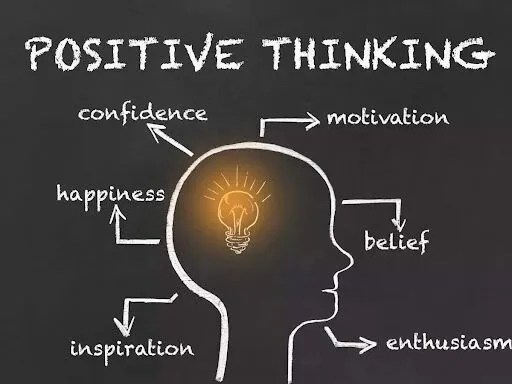
Positive thinking isn’t just a feel-good mantra; it’s a mindset that shapes success. High achievers across industries, from business to sports to science, consistently display optimism and resilience, allowing them to overcome obstacles and reach new heights. But what makes positivity such a powerful force? And why is it a defining trait among the world’s most successful individuals?

The Science Behind Positive Thinking

Research in psychology and neuroscience confirms that positive thinking enhances problem-solving skills, increases resilience, and improves overall health. A study by Barbara Fredrickson, a leading researcher in positive psychology, found that positive emotions expand cognitive flexibility, allowing individuals to think more creatively and find solutions faster. Another study from the Mayo Clinic suggests that optimists tend to live longer and have lower stress levels, leading to greater overall well-being.

High Achievers Who Embrace Positivity

Many of the world’s most successful people credit their achievements to a positive mindset. Here are a few well-known examples:

1. Elon Musk: Optimism in the Face of Failure

Elon Musk, the CEO of Tesla and SpaceX, has faced numerous challenges throughout his career. From Tesla’s near bankruptcy in 2008 to multiple failed rocket launches, Musk has encountered setbacks that would make most entrepreneurs quit. However, his unwavering belief in his vision kept him going. His optimism fueled SpaceX’s eventual success, including the historic partnership with NASA and the launch of reusable rockets.

2. Oprah Winfrey: Overcoming Adversity with Positivity

Oprah Winfrey’s story is a testament to the power of positive thinking. Born into poverty and facing numerous hardships in her early years, Oprah didn’t allow her past to define her future. She attributes much of her success to maintaining a strong, optimistic mindset, which helped her build a media empire and become one of the most influential women in the world. Her philosophy of gratitude and positive thinking continues to inspire millions.

3. Michael Jordan: Using Setbacks as Fuel

Michael Jordan, widely regarded as one of the greatest basketball players of all time, was famously cut from his high school basketball team. Instead of letting this setback define him, Jordan used it as motivation. His positive mindset and relentless work ethic turned him into a six-time NBA champion. He once said, “I can accept failure, everyone fails at something. But I can’t accept not trying.” His ability to focus on solutions rather than problems made him a legendary athlete.

How You Can Cultivate Positive Thinking

If high achievers use positivity to fuel their success, how can you develop a similar mindset? Here are a few strategies:

1. Reframe Negative Thoughts – Instead of focusing on failure, view challenges as learning experiences.

2. Practice Gratitude – Studies show that gratitude increases happiness and reduces stress.

3. Surround Yourself with Positive People – Energy is contagious. Being around optimistic individuals can reinforce a positive mindset.

4. Visualize Success – Many top performers use visualization techniques to mentally prepare for success before it happens.

5. Take Action Despite Fear – Optimists don’t wait for the perfect moment; they move forward with confidence.

Charge up

Positive thinking isn’t about ignoring reality; it’s about approaching life with a mindset that fosters resilience, creativity, and success. The world’s greatest achievers from Elon Musk to Oprah Winfrey, demonstrate that optimism isn’t just a feel-good philosophy; it’s a strategy for turning dreams into reality. By embracing positivity, you, too, can unlock your full potential and achieve greatness.