
Business & Work

How to Become Better at Networking: Simple Strategies for Building Genuine Connections

Networking often gets a bad rap. People picture it as awkward small talk, forced smiles, and trading business cards at dull events. But real networking isn’t about schmoozing—it’s about building authentic relationships that open doors, create opportunities, and expand your worldview.

Whether you’re an introvert or extrovert, just starting out or already established, improving your networking skills can be one of the most valuable investments in your personal and professional growth. Here’s how to get better at it—without feeling like a fraud.

1. Shift Your Mindset: Think Relationships, Not Transactions

If you see people as stepping stones to your next gig, they’ll feel it—and nothing shuts a connection down faster. Instead, approach networking as a chance to learn, share, and grow. Focus on being curious about others, not just promoting yourself. Ask real questions. Listen to the answers. Be human.

2. Start Where You Are

You don’t need a fancy conference or a VIP mixer to network. Your classmates, colleagues, local meetups, and even your social media contacts are part of your network. Reach out. Grab coffee. Send a thoughtful message. Don’t underestimate the power of low-stakes, everyday interactions.

3. Practice Your Story

You don’t need a pitch—but you do need clarity. When someone asks what you do or what you’re working on, can you explain it clearly, in a sentence or two? Practice saying who you are, what excites you, and what you’re looking for. Keep it simple, honest, and flexible.

4. Follow Up (and Actually Stay in Touch)

One conversation is great. A real relationship is better. Follow up with a thank-you message or share something relevant you discussed. Put a reminder to check in a month later. Relationship-building takes time and consistency, not just charisma.

5. Offer Help Before You Ask for It

Be the kind of person who adds value. Share a useful article. Connect someone with a resource. Celebrate other people’s wins. Giving first creates trust and often leads to organic opportunities down the road.

6. Be Where the Conversations Are

If you’re passionate about a field, show up. Attend events, join communities, comment on posts, or participate in online forums. Visibility builds familiarity. Familiarity builds trust. Trust builds networks.

7. Don’t Try to Impress. Try to Relate.

People remember how you make them feel—not your résumé. Be relatable. Share your journey, including the bumps. Vulnerability and honesty often create stronger bonds than a polished elevator pitch ever could.

Networking Is a Long Game

There’s no shortcut to meaningful connections—but with intention, empathy, and consistency, you’ll find that your network starts to work for you. The best time to start building it was yesterday. The second-best time is now.

Tip to try this week: Reach out to one person you admire with a short, genuine note—no ask, just appreciation or curiosity. You might be surprised by what happens.

Business & Work

The Biggest Trends of 2025: What’s Shaping the World This Year

2025 is already shaping up to be a landmark year of innovation, social change, and global realignment. From artificial intelligence breakthroughs to shifts in global labor markets, let’s explore the most impactful trends that are redefining the way we live, work, and connect.

1. AI Goes Mainstream (for Real This Time)

Artificial intelligence isn’t just for tech companies anymore. In 2025, AI is embedded into everyday tools — from personalized education platforms and real-time medical diagnostics to AI co-pilots that help employees manage workloads and decision-making. Generative AI continues evolving, with more businesses adopting custom LLMs for internal knowledge bases and customer service. The most notable trend? AI regulation is catching up, with governments enforcing transparency and ethical standards across the board.

2. Remote Work Evolves into “Work-From-Anywhere”

The hybrid model has matured. In 2025, more professionals are embracing location-independent work — not just remote from home, but truly mobile. Co-living hubs, global coworking memberships, and digital nomad visas are booming, especially in countries like Portugal, Indonesia, and Colombia. The workplace is no longer a fixed place; it’s a dynamic, virtual-first environment.

3. Climate Tech Takes Center Stage

With climate disasters intensifying and pressure mounting, 2025 is seeing explosive growth in climate tech innovation. Carbon capture startups, regenerative agriculture, and next-gen solar technologies are scaling fast. There’s also a rise in climate adaptation investments, helping cities retrofit infrastructure to withstand floods, fires, and heatwaves. Sustainability is no longer a choice; it’s the default.

4. Gen Z Redefines Financial Norms

Gen Z, now a dominant consumer force, is reshaping the finance world. From crypto wallets integrated into social media platforms to a surge in interest for ethical investing and green bonds, their approach is values-driven and tech-savvy. Traditional banks are being forced to adapt, offering fintech-style services, AI chat support, and gamified savings tools.

5. The Rise of Longevity Culture

2025 is the year health spans take priority over lifespans. With booming interest in biohacking, wearable diagnostics, personalized nutrition, and preventative care, a new longevity industry is emerging. Aging is being reframed — not as decline, but as optimization. Wellness isn’t just yoga and green juice anymore; it’s full-on biological self-engineering.

6. Global Power Shifts and Fragmentation

As the world enters a new geopolitical phase, 2025 sees continued decoupling between China and the U.S., regional alliances forming, and digital currencies playing a new role in economic independence. The war in Ukraine, instability in the Middle East, and tensions in Taiwan keep reshaping foreign policy strategies. Meanwhile, the Global South is asserting its voice, particularly in climate negotiations and tech development.

7. Cultural Realignment Through Media

The culture wars are evolving. In 2025, AI-generated art, identity-driven storytelling, and decentralized media platforms are challenging traditional Hollywood and mainstream news. Content is hyper-personalized, niche, and often created with the help of AI. Simultaneously, there’s a pushback — a revival of slow, analog experiences like reading physical books, attending live performances, and “digital detox” retreats.

8. Education Gets a Reboot

Forget degrees — skills are currency in 2025. Credentialing systems are being disrupted by micro-certifications, AI-driven mentorships, and real-world apprenticeships. Universities are being pressured to evolve, while online platforms and bootcamps dominate fields like tech, design, and entrepreneurship. Education is becoming modular, lifelong, and AI-augmented.

Going forward

2025 is all about acceleration, adaptation, and conscious innovation. It’s a year where the future feels tangible, yet still uncertain. The biggest trends this year reflect our attempts to balance tech-driven speed with human-centered values — a dynamic that will continue shaping the decade ahead.

Business & Work

The Power of Social Media in Promoting Your Business

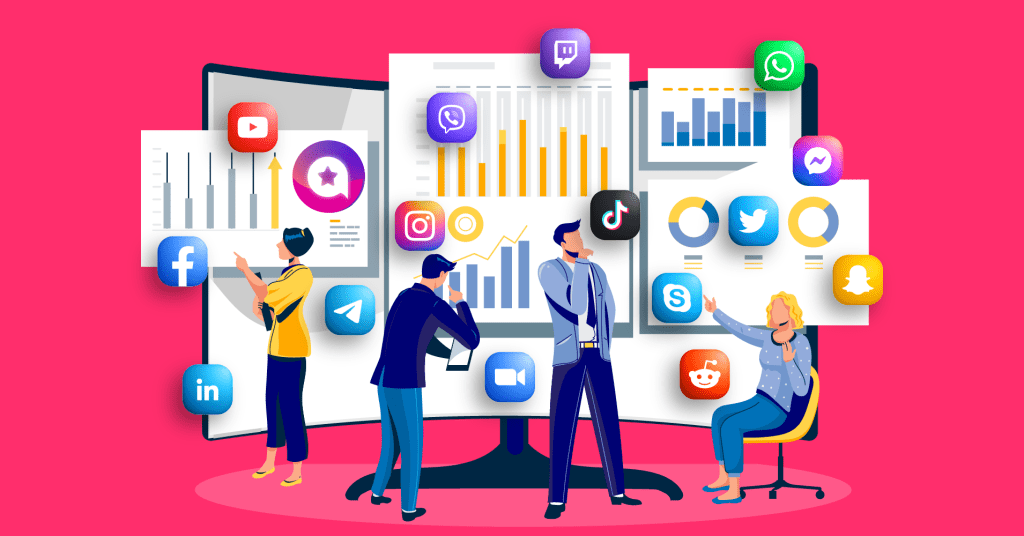
In today’s digital age, social media has emerged as one of the most powerful tools for businesses, transforming the way entrepreneurs promote their brands, connect with customers, and drive sales. Whether you’re a seasoned business owner or a budding entrepreneur, harnessing the power of social media can be the key to your success. This blog post explores how social media can elevate your business and offers strategies on how to use it effectively.

The Impact of Social Media on Business Growth

1. Massive Reach: Social media platforms like Facebook, Instagram, Twitter, LinkedIn, and TikTok have billions of active users combined. This vast audience allows businesses of all sizes to reach potential customers worldwide. Unlike traditional marketing, which often has geographical limitations, social media breaks down those barriers, enabling global engagement.

2. Cost-Effective Marketing: One of the biggest advantages of social media is its cost-effectiveness. Setting up profiles on most platforms is free, and even paid advertising is often more affordable than traditional media. With precise targeting options, you can ensure that your marketing budget is spent efficiently, reaching the right audience at the right time.

3. Enhanced Customer Engagement: Social media is not just a broadcasting tool; it’s a two-way communication channel. Businesses can engage with their customers directly, responding to inquiries, addressing concerns, and building relationships. This engagement fosters customer loyalty and creates a sense of community around your brand.

4. Brand Awareness and Authority: Regularly sharing content, whether it’s blog posts, videos, or infographics, helps establish your brand as an authority in your industry. The more valuable content you provide, the more likely customers are to trust your expertise and choose your products or services.

5. Real-Time Feedback: Social media allows businesses to receive immediate feedback on their products, services, and marketing campaigns. This feedback is invaluable for making quick adjustments, improving offerings, and staying in tune with customer needs and preferences.

Strategies for Entrepreneurs to Leverage Social Media

1. Identify the Right Platforms: Not all social media platforms are created equal. Identify where your target audience spends their time. For instance, Instagram and TikTok are great for visually appealing products, while LinkedIn is ideal for B2B marketing. Focus your efforts on the platforms that align with your audience and business goals.

2. Develop a Content Strategy: Consistency is key in social media marketing. Develop a content calendar that outlines what you will post, when, and on which platforms. Your content should be a mix of promotional posts, educational content, and engagement-driven posts like polls or questions. High-quality visuals, compelling copy, and storytelling are crucial to capturing attention.

3. Leverage Paid Advertising: While organic reach is valuable, paid social media advertising can amplify your efforts. Platforms like Facebook and Instagram offer detailed targeting options, allowing you to reach specific demographics, interests, and behaviors. Start with a small budget, experiment with different ads, and optimize based on performance.

4. Engage with Your Audience: Social media is about building relationships. Respond to comments, share user-generated content, and engage with followers regularly. This interaction shows that your brand is approachable and values its customers, which can lead to increased loyalty and word-of-mouth referrals.

5. Use Analytics to Optimize: Social media platforms provide a wealth of data on how your content is performing. Use these analytics to understand what works and what doesn’t. Monitor key metrics like engagement rates, reach, and conversion rates, and adjust your strategy accordingly.

6. Collaborate with Influencers: Influencer marketing is a powerful way to reach new audiences. Partnering with influencers who align with your brand can provide credibility and expose your products to their followers. Choose influencers whose values and audience match your own for the best results.

7. Stay Updated on Trends: Social media trends evolve rapidly. Stay informed about the latest features, algorithms, and trends on each platform. Whether it’s the rise of short-form video content or the increasing importance of social commerce, adapting to these changes can keep your brand relevant and competitive.

The power of social media in promoting your business cannot be overstated. It offers unparalleled opportunities for reach, engagement, and growth at a fraction of the cost of traditional marketing methods. For entrepreneurs, effectively leveraging social media is not just an option; it’s a necessity in today’s digital landscape.

By understanding your audience, creating a solid content strategy, and engaging consistently, you can harness the full potential of social media to boost your business’s visibility and sales. Whether you’re launching a startup or expanding an existing business, social media is the bridge that connects your brand to a global audience, driving success in the modern marketplace.

Business & Work

Taking Your Business International for Expanding Market Reach, Reducing Taxes, and Accelerating Growth

In today’s hyper-connected world, the potential for business growth is no longer confined by geographic boundaries. Going international is a strategic move that can significantly enhance a company’s market reach, optimize tax liabilities, and drive expansion. For small businesses, taking the plunge into international markets can be daunting, but the benefits far outweigh the challenges. Here’s why you should consider going global and some practical tips to help you get started.

The Importance of Going International

Expanding Market Reach

One of the most compelling reasons to take your business international is the opportunity to tap into new customer bases. By entering markets in different countries, you can increase your sales and revenue. Different regions have varying levels of demand for your product or service. What may be a saturated market in one country could be an emerging market in another. For example, many tech companies find a booming market for their products in Asia, while fashion brands often thrive in Europe.

Paying Less Taxes

Another significant advantage of international expansion is the potential for tax optimization. Different countries offer various tax incentives to attract foreign investment. By strategically locating your operations in countries with favorable tax regimes, you can reduce your overall tax burden. Many multinational corporations, like Apple and Google, have successfully used this strategy to minimize taxes and increase profitability.

Accelerating Business Growth

International expansion can lead to accelerated business growth. It allows you to diversify your market risk, reduce dependency on any single market, and increase your business resilience. Moreover, it can provide you with access to new talent pools, innovative technologies, and unique business practices that can enhance your competitiveness.

Tips for Small Businesses Going International

While the benefits of international expansion are clear, the path to achieving it can be complex. Here are some practical tips for small businesses looking to go global:

1. Conduct Thorough Market Research

Before entering a new market, conduct comprehensive research to understand the local demand, competition, cultural nuances, and regulatory environment. Use resources like the International Trade Administration or local trade organizations to gather valuable market insights.

2. Leverage Digital Marketing

Digital marketing is a cost-effective way to reach international audiences. Use social media platforms, search engine optimization (SEO), and online advertising to promote your products or services globally. Localize your content to resonate with the target audience in different regions.

3. Establish Local Partnerships

Partnering with local businesses can help you navigate the complexities of a new market. Local partners can provide valuable insights, help you build credibility, and assist with distribution and logistics. Consider joint ventures, franchising, or licensing agreements as potential partnership models.

4. Understand Legal and Regulatory Requirements

Each country has its own set of laws and regulations governing business operations. Ensure that you comply with local laws related to labor, taxation, intellectual property, and product standards. Consulting with legal experts who specialize in international business can save you from potential legal pitfalls.

5. Optimize Your Supply Chain

Efficient supply chain management is crucial for international success. Evaluate your supply chain to ensure it can handle the complexities of international logistics, such as customs clearance, shipping costs, and delivery times. Consider using third-party logistics providers to streamline operations.

6. Focus on Customer Support

Providing excellent customer support is essential when entering new markets. Offer multilingual support, set up local customer service centers, and ensure that your after-sales services meet the expectations of international customers.

7. Monitor and Adapt

International markets are dynamic and constantly evolving. Continuously monitor market trends, customer feedback, and competitive landscape. Be prepared to adapt your strategies based on real-time data and changing market conditions.

Taking your business international is a strategic move that can open up a world of opportunities. By expanding your market reach, optimizing taxes, and accelerating growth, you can achieve greater business success. While the journey may be challenging, the tips outlined above can help small businesses navigate the complexities of international expansion. With careful planning, research, and execution, your business can thrive on the global stage.

Ready to take your business international? Start by researching potential markets, leveraging digital marketing, and forming strategic partnerships. The world is your marketplace – seize the opportunity to grow and succeed internationally.

Business & Work

Identifying Customers from Non-Customers

In today’s competitive business environment, the efficiency of your resource allocation can make or break your success. One of the most effective strategies to optimize resource allocation is by accurately identifying customers from non-customers. By doing so, you can ensure that your efforts and resources are directed towards the right prospects and clients, ultimately driving growth and profitability. In this blog post, we’ll explore practical ways to distinguish customers from non-customers and how to allocate resources effectively.

Understanding Your Customer Base

Before delving into strategies for identification, it’s crucial to have a clear understanding of your existing customer base. This involves:

1. Customer Segmentation: Divide your customers into distinct groups based on demographics, purchasing behavior, and preferences. This helps in tailoring your approach and resources to different segments effectively.

2. Customer Profiling: Create detailed profiles of your ideal customers. This includes understanding their needs, pain points, and buying triggers. A well-defined customer profile acts as a benchmark for identifying potential customers.

3. Purchase History Analysis: Examine the purchase history of your customers to identify patterns and trends. This can provide insights into the types of products or services that attract and retain customers.

Identifying Potential Customers

To identify potential customers from non-customers, consider the following strategies:

1. Lead Scoring: Implement a lead scoring system that assigns values to potential customers based on their behavior and engagement with your brand. Factors to consider include website visits, email opens, social media interactions, and previous purchases. Higher scores indicate a higher likelihood of conversion.

2. Behavioral Tracking: Use analytics tools to track and analyze the behavior of visitors on your website. Look for patterns that indicate interest, such as frequent visits to certain pages, time spent on the site, and downloads of resources.

3. Demographic Matching: Compare the demographics of potential leads with those of your existing customers. Prospects who share similar characteristics with your best customers are more likely to convert.

4. Engagement Levels: Assess the engagement levels of prospects across different channels. High engagement often correlates with a higher probability of conversion. Track interactions such as social media comments, shares, email responses, and participation in webinars or events.

Allocating Resources Effectively

Once you have identified potential customers, the next step is to allocate resources efficiently to maximize conversions and customer satisfaction. Here’s how:

1. Personalized Marketing: Use the insights gathered from customer segmentation and profiling to create personalized marketing campaigns. Tailored messages resonate more with prospects and are more likely to convert them into customers.

2. Sales Prioritization: Equip your sales team with the data on lead scores and engagement levels. This allows them to prioritize high-potential leads, focusing their efforts where they are most likely to succeed.

3. Customer Support Optimization: Allocate customer support resources based on customer value and needs. High-value customers should receive premium support, while self-service options can be provided for low-value or non-customers.

4. Retention Strategies: Invest resources in retention strategies for your existing customers. This includes loyalty programs, regular follow-ups, and exclusive offers. Retaining customers is often more cost-effective than acquiring new ones.

5. Resource Allocation Metrics: Continuously measure and analyze the effectiveness of your resource allocation strategies. Key metrics to track include conversion rates, customer acquisition costs, and customer lifetime value.

Efficient resource allocation is crucial for business success, and the key lies in accurately identifying customers from non-customers. By understanding your customer base, implementing effective identification strategies, and allocating resources wisely, you can enhance your efficiency and drive growth. Remember, the goal is not just to attract new customers but to nurture and retain existing ones, creating a loyal and profitable customer base.

Invest time in refining your identification and allocation processes, and you’ll see a significant improvement in your business’s overall efficiency and performance.