
Personal Development

How to Make the Most of This Spring

Spring is finally here, bringing longer days, warmer weather, and the perfect opportunity to refresh your routine. Whether you want to enjoy nature, improve your health, or start a new project, this season is full of possibilities. Here’s how to make the most of it.

1. Spend More Time Outdoors

After months of cold weather, take advantage of the sunshine and fresh air. Go for a morning walk, plan a weekend hike, or have a picnic in the park. Studies show that spending time in nature reduces stress, boosts mood, and improves overall well-being.

Ideas:

• Visit a botanical garden or nature reserve

• Try outdoor yoga or meditation

• Explore a new hiking trail or biking route

2. Refresh Your Home and Mind

Spring cleaning isn’t just about tidying up—it’s about creating a fresh start. Decluttering your space can lead to a clearer mind and better productivity. Open your windows, let in the fresh air, and refresh your home with new plants or light décor changes.

Checklist for a Spring Refresh:

• Deep clean your living space

• Donate unused clothes and items

• Organize your workspace for a productivity boost

3. Focus on Your Health

With the new season, it’s the perfect time to refresh your diet and fitness routine. Seasonal fruits and vegetables are more available, and the weather makes outdoor workouts more enjoyable.

Ways to Prioritize Health:

• Add more fresh produce to your meals

• Try a new outdoor workout, like jogging or cycling

• Stay hydrated and get plenty of sunlight for Vitamin D

4. Pick Up a New Hobby

Spring is a season of renewal—why not use it to learn something new? Whether it’s gardening, photography, or a creative skill like painting, hobbies bring joy and relaxation.

Hobby Ideas:

• Start a small garden or grow herbs indoors

• Learn a new language or take an online course

• Try springtime photography to capture blooming flowers and landscapes

5. Plan a Short Getaway

If possible, take a break from your routine and explore a new place. Even a weekend trip can refresh your mind and boost your creativity.

Spring Travel Ideas:

• Visit a coastal town before the summer crowds arrive

• Take a road trip to a scenic countryside spot

• Experience a local festival or farmers’ market

6. Strengthen Social Connections

Spring is a great time to reconnect with family and friends. Whether it’s hosting a BBQ, planning a group hike, or simply catching up over coffee, socializing helps build meaningful relationships.

Ways to Connect:

• Organize an outdoor gathering or game night

• Call a friend you haven’t talked to in a while

• Join a community event or local club

7. Set New Goals

The fresh start that spring offers is a great time to revisit your personal or professional goals. Make a plan for the next few months and set small, achievable steps.

Goal-Setting Tips:

• Write down three things you want to accomplish this season

• Break them into weekly action steps

• Stay accountable by tracking progress or sharing with a friend

Spring is a season of growth and renewal—embrace it fully!

Personal Development

How to Prepare for a Happy and Productive Spring

As the days get longer and the air turns warmer, spring brings a fresh start, a perfect time to reset, refocus, and recharge. Whether you want to boost productivity, enhance well-being, or simply enjoy the season to the fullest, here are some key ways to prepare for a happy and productive spring.

1. Declutter Your Space for a Fresh Start

Spring cleaning isn’t just about tidying up, it’s about creating a space that fosters clarity and productivity.

• Declutter your workspace and home: A clean environment reduces stress and helps with focus.

• Donate or recycle unused items: Letting go of clutter makes room for fresh energy and new opportunities.

• Deep clean your living space: Open windows, dust off surfaces, and freshen up your surroundings.

2. Refresh Your Daily Routine

Spring is an opportunity to shake off winter sluggishness and revitalize your habits.

• Adjust your sleep schedule: Take advantage of longer daylight hours by waking up earlier.

• Incorporate outdoor activities: Go for morning walks, exercise outside, or simply soak in the sun.

• Optimize your work habits: Try a new productivity method, such as time blocking or the Pomodoro technique.

3. Focus on Physical and Mental Wellness

Warmer weather invites more movement and mindfulness.

• Eat fresh, seasonal foods: Incorporate leafy greens, berries, and citrus fruits into your diet.

• Stay hydrated: Increase water intake as temperatures rise.

• Practice mindfulness and stress management: Journaling, meditation, and gratitude exercises help maintain mental clarity.

4. Set New Goals and Intentions

Spring is the perfect time to reassess your goals and create a vision for the months ahead.

• Reflect on winter accomplishments: Celebrate your progress and adjust plans as needed.

• Create a spring to-do list: Whether it’s learning a new skill, traveling, or finishing a project, outline what you want to achieve.

• Break goals into actionable steps: Set deadlines and track progress to stay motivated.

5. Reconnect and Socialize More

With longer, sunnier days, it’s a great time to reconnect with people.

• Plan outdoor gatherings: Meet up with friends for picnics, hikes, or coffee in the park.

• Join a community event or hobby group: Engaging with others can provide inspiration and energy.

• Strengthen professional connections: Network with colleagues, attend industry events, or schedule lunch meetings.

6. Embrace Nature and Seasonal Inspiration

Spring’s beauty is a natural mood booster, so take full advantage of it.

• Spend time in green spaces: Walk in parks, hike trails, or start a small garden.

• Bring nature indoors: Fresh flowers, plants, or even an open window with fresh air can enhance your space.

• Take seasonal photos or journal about your experiences: Capture and appreciate the small joys of the season.

7. Experiment with Something New

Spring is a season of renewal, why not try something different?

• Start a new hobby: Gardening, painting, photography, or outdoor sports can refresh your creativity.

• Change up your wardrobe: Lighter fabrics and bright colors can uplift your mood.

• Take a short trip or weekend getaway: Exploring new places can bring fresh perspectives and inspiration.

By taking these steps, you’ll set yourself up for a season of happiness, growth, and productivity. Embrace the changes, enjoy the warmth, and make the most of everything spring has to offer!

Personal Development

The Art of Happiness and the Journey Within

Happiness is often seen as a destination, a goal to be achieved, something we pursue through success, relationships, or material wealth. But the true art of happiness lies not in external achievements but in cultivating an inner state of contentment, gratitude, and purpose.

Rethinking Happiness: It’s a Practice, Not a Prize

One of the biggest misconceptions about happiness is that it is a result of external circumstances. People often believe that once they get a better job, find the perfect partner, or accumulate enough wealth, they will finally be happy. But studies in positive psychology suggest that happiness is more about how we perceive life than about what happens to us.

Happiness is an art, something that requires active participation and regular practice. Just as a painter refines their craft over time, we can cultivate happiness by developing habits that nurture positivity and well-being.

The Ingredients of a Happy Life

1. Gratitude: The Key to Perspective

Gratitude is one of the simplest yet most powerful ways to shift our mindset. When we focus on what we have instead of what we lack, we train our brains to see abundance rather than scarcity. Studies have shown that people who practice gratitude regularly experience greater life satisfaction and lower levels of stress.

Practice Tip: Start a gratitude journal and write down three things you’re thankful for each day.

2. Purpose and Meaning

Happiness is deeply connected to having a sense of purpose. People who engage in meaningful activities—whether through work, hobbies, or acts of kindness—tend to report higher levels of happiness. Instead of seeking fleeting pleasures, ask yourself: What gives my life meaning? What makes me excited to wake up in the morning?

Practice Tip: Identify an activity or cause that aligns with your values and commit to it regularly.

3. Mindfulness: Living in the Present

A large part of our unhappiness stems from regrets about the past or anxieties about the future. Mindfulness, the practice of being fully present in the moment—helps us embrace life as it is. When we slow down and truly experience the present, we find joy in simple things: a deep conversation, the warmth of the sun, or the laughter of a loved one.

Practice Tip: Spend five minutes each day in mindful breathing or meditation. Focus on the sensations around you and let go of distractions.

4. Strong Relationships and Social Connection

Humans are wired for connection. Research consistently shows that strong social bonds contribute more to long-term happiness than wealth or fame. Prioritizing quality relationships with family, friends, and community members enhances well-being and provides a support system during difficult times.

Practice Tip: Make time for meaningful conversations and deep connections. Call a friend or spend time with loved ones without distractions.

5. Resilience: Embracing Imperfections

Life is not always smooth, and true happiness comes from learning to navigate challenges with grace. Resilience is the ability to bounce back from setbacks and find meaning in difficulties. Instead of resisting life’s struggles, embrace them as opportunities for growth.

Practice Tip: When faced with challenges, ask yourself: What can I learn from this experience? How can I use this to grow stronger?

Happiness is a Journey, Not a Destination

Happiness isn’t something we stumble upon; it’s something we create every day through our mindset and choices. It’s about embracing life fully, the joys and the struggles—and finding beauty in the little moments.

The art of happiness is a lifelong masterpiece, painted with gratitude, purpose, mindfulness, connection, and resilience. And the best part? You are the artist.

Personal Development

The Power of Positive Thinking: A Common Trait Among High Achievers

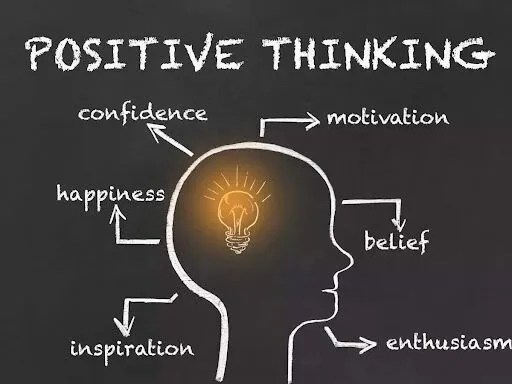
Positive thinking isn’t just a feel-good mantra; it’s a mindset that shapes success. High achievers across industries, from business to sports to science, consistently display optimism and resilience, allowing them to overcome obstacles and reach new heights. But what makes positivity such a powerful force? And why is it a defining trait among the world’s most successful individuals?

The Science Behind Positive Thinking

Research in psychology and neuroscience confirms that positive thinking enhances problem-solving skills, increases resilience, and improves overall health. A study by Barbara Fredrickson, a leading researcher in positive psychology, found that positive emotions expand cognitive flexibility, allowing individuals to think more creatively and find solutions faster. Another study from the Mayo Clinic suggests that optimists tend to live longer and have lower stress levels, leading to greater overall well-being.

High Achievers Who Embrace Positivity

Many of the world’s most successful people credit their achievements to a positive mindset. Here are a few well-known examples:

1. Elon Musk: Optimism in the Face of Failure

Elon Musk, the CEO of Tesla and SpaceX, has faced numerous challenges throughout his career. From Tesla’s near bankruptcy in 2008 to multiple failed rocket launches, Musk has encountered setbacks that would make most entrepreneurs quit. However, his unwavering belief in his vision kept him going. His optimism fueled SpaceX’s eventual success, including the historic partnership with NASA and the launch of reusable rockets.

2. Oprah Winfrey: Overcoming Adversity with Positivity

Oprah Winfrey’s story is a testament to the power of positive thinking. Born into poverty and facing numerous hardships in her early years, Oprah didn’t allow her past to define her future. She attributes much of her success to maintaining a strong, optimistic mindset, which helped her build a media empire and become one of the most influential women in the world. Her philosophy of gratitude and positive thinking continues to inspire millions.

3. Michael Jordan: Using Setbacks as Fuel

Michael Jordan, widely regarded as one of the greatest basketball players of all time, was famously cut from his high school basketball team. Instead of letting this setback define him, Jordan used it as motivation. His positive mindset and relentless work ethic turned him into a six-time NBA champion. He once said, “I can accept failure, everyone fails at something. But I can’t accept not trying.” His ability to focus on solutions rather than problems made him a legendary athlete.

How You Can Cultivate Positive Thinking

If high achievers use positivity to fuel their success, how can you develop a similar mindset? Here are a few strategies:

1. Reframe Negative Thoughts – Instead of focusing on failure, view challenges as learning experiences.

2. Practice Gratitude – Studies show that gratitude increases happiness and reduces stress.

3. Surround Yourself with Positive People – Energy is contagious. Being around optimistic individuals can reinforce a positive mindset.

4. Visualize Success – Many top performers use visualization techniques to mentally prepare for success before it happens.

5. Take Action Despite Fear – Optimists don’t wait for the perfect moment; they move forward with confidence.

Charge up

Positive thinking isn’t about ignoring reality; it’s about approaching life with a mindset that fosters resilience, creativity, and success. The world’s greatest achievers from Elon Musk to Oprah Winfrey, demonstrate that optimism isn’t just a feel-good philosophy; it’s a strategy for turning dreams into reality. By embracing positivity, you, too, can unlock your full potential and achieve greatness.

Personal Development

The Power of a Good Morning Routine: How to Set Yourself Up for Success

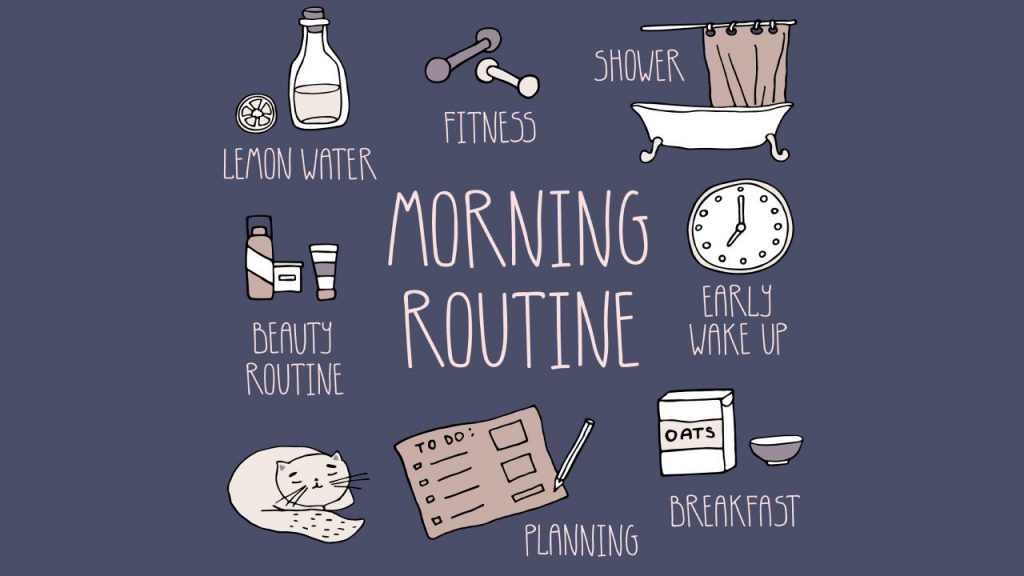
How you start your morning sets the tone for the rest of your day. A well-structured morning routine can improve your productivity, boost your mental and physical health, and enhance your overall well-being. While everyone’s ideal morning routine may differ, the core benefits remain the same: clarity, discipline, and momentum.

Why a Good Morning Routine Matters

1. Boosts Productivity and Focus

A well-planned morning routine allows you to begin your day with intention. Instead of rushing through tasks in a frantic state, you start with a structured approach, ensuring that your most important priorities get attention. Studies show that people who follow a morning routine tend to be more focused and efficient throughout the day.

2. Reduces Stress and Anxiety

Waking up late and scrambling to get out the door creates unnecessary stress. A structured morning routine eliminates that chaotic feeling and gives you a sense of control. When you begin your day calmly, you are less likely to feel overwhelmed and more equipped to handle challenges.

3. Promotes Physical and Mental Well-being

Incorporating healthy habits into your morning—such as exercise, stretching, deep breathing, or meditation—can significantly improve your mental and physical health. Regular movement boosts energy levels, enhances cognitive function, and releases endorphins, which improve mood and reduce stress.

4. Encourages Discipline and Consistency

Discipline is the foundation of long-term success. A morning routine builds good habits by reinforcing discipline. Over time, the simple act of waking up early, exercising, reading, or journaling strengthens your ability to stick to commitments in other areas of life.

5. Sets a Positive Tone for the Day

How you start your morning impacts how you feel for the rest of the day. A chaotic morning often leads to frustration and lack of focus, whereas a well-planned routine fosters positivity and motivation. Starting the day with gratitude, self-reflection, or a personal ritual can help you maintain a positive mindset.

Key Elements of an Effective Morning Routine

Creating a powerful morning routine doesn’t mean you have to wake up at 5 a.m. and follow a rigid checklist. The key is consistency and aligning your habits with your personal goals. Here are some essential elements to consider:

1. Wake Up Early (But Get Enough Sleep!)

The most successful people start their day early, but waking up early means nothing if you’re sleep-deprived. Aim for 7–9 hours of quality sleep and wake up at a time that allows you to ease into your day.

2. Hydrate First Thing

After several hours of sleep, your body is dehydrated. Drinking a glass of water first thing in the morning helps rehydrate your body, kickstarts your metabolism, and improves brain function.

3. Move Your Body

Exercise is one of the most powerful ways to boost energy and mental clarity. Whether it’s a full workout, yoga, stretching, or a brisk walk, movement helps wake up your body and mind.

4. Practice Mindfulness or Gratitude

Take a few minutes to reflect, meditate, or practice gratitude. This simple habit shifts your focus from stress and negativity to positivity and intention. Journaling, deep breathing, or simply sitting in silence can be transformative.

5. Eat a Nutritious Breakfast

Food fuels your brain and body. Avoid processed foods and opt for a balanced breakfast with protein, healthy fats, and fiber to sustain your energy levels throughout the day.

6. Plan Your Day

Before diving into work or social media, take a moment to outline your priorities. Writing down your top tasks or reviewing your schedule ensures that you stay on track and minimize distractions.

7. Limit Screen Time

Many people wake up and immediately check their phones, exposing themselves to stress, negative news, or distractions. Instead, delay screen time and focus on your own thoughts and goals first.

How to Build a Morning Routine That Works for You

1. Start Small – If you’re not used to a structured morning routine, introduce new habits gradually. Small changes are more sustainable than a complete overhaul.

2. Be Realistic – Your routine should fit your lifestyle. If you’re not a morning person, a 5 a.m. wake-up call might not be the best strategy. Find a rhythm that works for you.

3. Stay Flexible – Life happens, and sometimes routines get disrupted. Instead of abandoning the habit altogether, have a flexible mindset and adapt when necessary.

4. Track Your Progress – Journaling or using habit-tracking apps can help you stay accountable and notice improvements in your mood, energy, and productivity.

5. Enjoy the Process – A morning routine should energize and inspire you, not feel like a burden. Find habits that make you feel good and excited to start the day.

Start the Day Right

A great morning routine isn’t about perfection—it’s about consistency and intention. By designing a routine that aligns with your goals and values, you can transform your days from rushed and reactive to calm and productive. Start small, stay consistent, and watch how a well-structured morning sets the foundation for success in every aspect of your life.