
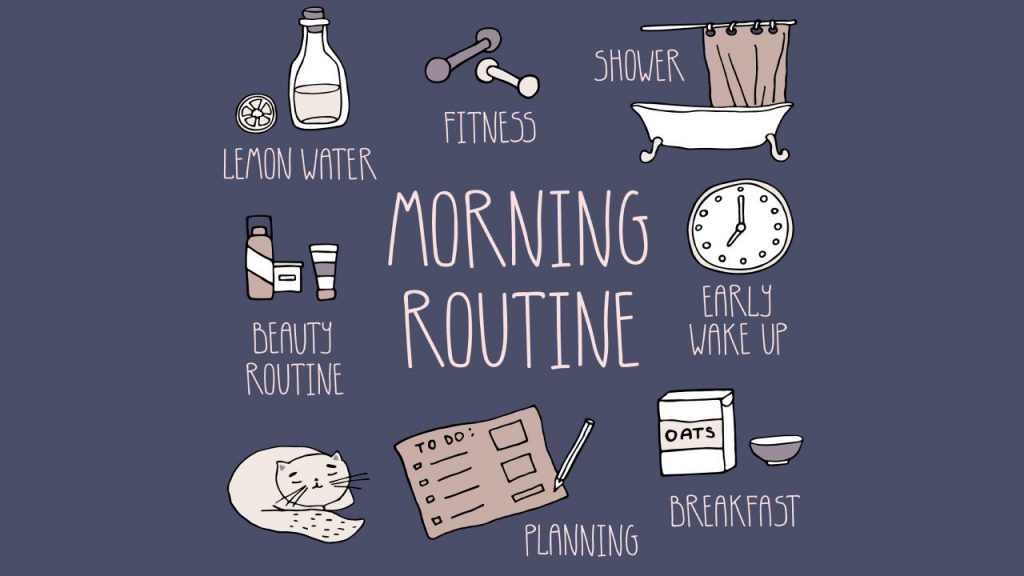
How you start your morning sets the tone for the rest of your day. A well-structured morning routine can improve your productivity, boost your mental and physical health, and enhance your overall well-being. While everyone’s ideal morning routine may differ, the core benefits remain the same: clarity, discipline, and momentum.
Why a Good Morning Routine Matters
1. Boosts Productivity and Focus
A well-planned morning routine allows you to begin your day with intention. Instead of rushing through tasks in a frantic state, you start with a structured approach, ensuring that your most important priorities get attention. Studies show that people who follow a morning routine tend to be more focused and efficient throughout the day.
2. Reduces Stress and Anxiety
Waking up late and scrambling to get out the door creates unnecessary stress. A structured morning routine eliminates that chaotic feeling and gives you a sense of control. When you begin your day calmly, you are less likely to feel overwhelmed and more equipped to handle challenges.
3. Promotes Physical and Mental Well-being
Incorporating healthy habits into your morning—such as exercise, stretching, deep breathing, or meditation—can significantly improve your mental and physical health. Regular movement boosts energy levels, enhances cognitive function, and releases endorphins, which improve mood and reduce stress.
4. Encourages Discipline and Consistency
Discipline is the foundation of long-term success. A morning routine builds good habits by reinforcing discipline. Over time, the simple act of waking up early, exercising, reading, or journaling strengthens your ability to stick to commitments in other areas of life.
5. Sets a Positive Tone for the Day
How you start your morning impacts how you feel for the rest of the day. A chaotic morning often leads to frustration and lack of focus, whereas a well-planned routine fosters positivity and motivation. Starting the day with gratitude, self-reflection, or a personal ritual can help you maintain a positive mindset.
Key Elements of an Effective Morning Routine
Creating a powerful morning routine doesn’t mean you have to wake up at 5 a.m. and follow a rigid checklist. The key is consistency and aligning your habits with your personal goals. Here are some essential elements to consider:
1. Wake Up Early (But Get Enough Sleep!)
The most successful people start their day early, but waking up early means nothing if you’re sleep-deprived. Aim for 7–9 hours of quality sleep and wake up at a time that allows you to ease into your day.
2. Hydrate First Thing
After several hours of sleep, your body is dehydrated. Drinking a glass of water first thing in the morning helps rehydrate your body, kickstarts your metabolism, and improves brain function.
3. Move Your Body
Exercise is one of the most powerful ways to boost energy and mental clarity. Whether it’s a full workout, yoga, stretching, or a brisk walk, movement helps wake up your body and mind.
4. Practice Mindfulness or Gratitude
Take a few minutes to reflect, meditate, or practice gratitude. This simple habit shifts your focus from stress and negativity to positivity and intention. Journaling, deep breathing, or simply sitting in silence can be transformative.
5. Eat a Nutritious Breakfast
Food fuels your brain and body. Avoid processed foods and opt for a balanced breakfast with protein, healthy fats, and fiber to sustain your energy levels throughout the day.
6. Plan Your Day
Before diving into work or social media, take a moment to outline your priorities. Writing down your top tasks or reviewing your schedule ensures that you stay on track and minimize distractions.
7. Limit Screen Time
Many people wake up and immediately check their phones, exposing themselves to stress, negative news, or distractions. Instead, delay screen time and focus on your own thoughts and goals first.
How to Build a Morning Routine That Works for You
1. Start Small – If you’re not used to a structured morning routine, introduce new habits gradually. Small changes are more sustainable than a complete overhaul.
2. Be Realistic – Your routine should fit your lifestyle. If you’re not a morning person, a 5 a.m. wake-up call might not be the best strategy. Find a rhythm that works for you.
3. Stay Flexible – Life happens, and sometimes routines get disrupted. Instead of abandoning the habit altogether, have a flexible mindset and adapt when necessary.
4. Track Your Progress – Journaling or using habit-tracking apps can help you stay accountable and notice improvements in your mood, energy, and productivity.
5. Enjoy the Process – A morning routine should energize and inspire you, not feel like a burden. Find habits that make you feel good and excited to start the day.
Start the Day Right
A great morning routine isn’t about perfection—it’s about consistency and intention. By designing a routine that aligns with your goals and values, you can transform your days from rushed and reactive to calm and productive. Start small, stay consistent, and watch how a well-structured morning sets the foundation for success in every aspect of your life.
 Daniel Molgan Official