

Personal Development

Stay the Course: The Power of Remaining Steadfast in the Pursuit of Your Goals

There’s something deeply admirable about someone who keeps showing up, day after day, no matter how hard it gets. In a world of quick wins, instant gratification, and fleeting trends, steadfastness can feel like a lost art. But if you’ve ever set your sights on a big goal, you know this truth: progress takes time, setbacks are inevitable, and the people who make it are the ones who refuse to give up.

Why Steadfastness Matters

Being steadfast isn’t about perfection. It’s not about having every answer or always feeling motivated. It’s about staying rooted in your commitment, even when circumstances test your patience and resolve. Here’s why that matters:

1. Life Will Throw Curveballs.

No matter how well you plan, you will face challenges—unexpected obstacles, moments of doubt, and even failure. Being steadfast means you don’t fold when it gets tough. You bend, you adapt, but you don’t break.

2. Success Requires Time.

Most meaningful goals don’t happen overnight. Whether it’s building a business, writing a book, finishing school, or getting in shape, consistency over time is what makes the difference. Talent might get you started, but grit gets you across the finish line.

3. Your Mindset Shapes Your Outcome.

Being steadfast builds resilience. Each time you keep going, you prove to yourself that you’re capable of more. That creates momentum—and momentum is everything when you’re chasing something big.

Staying Steadfast: How to Do It

If staying committed feels hard, that’s normal. Here are a few ways to strengthen your resolve:

– Reconnect with your why.

Remind yourself why this goal matters to you. What’s at stake if you give up? What kind of life are you trying to build?

– Break it down.

Big goals can feel overwhelming. Focus on small, daily wins. Progress adds up when you keep moving.

– Surround yourself with support.

Whether it’s mentors, friends, or an online community, find people who encourage you—and challenge you to keep going when you want to quit.

– Be kind to yourself.

Discipline is important, but so is grace. Rest when you need it. Failure isn’t the end unless you let it be.

Keep Going

The pursuit of your goals won’t always be glamorous. Sometimes, it’ll feel boring. Sometimes, it’ll feel like you’re moving backward. But staying steadfast isn’t about how fast you go, it’s about not quitting.

So keep showing up. Keep pushing forward. Stay the course.

The dream is still worth it.

And so are you.
Personal Development

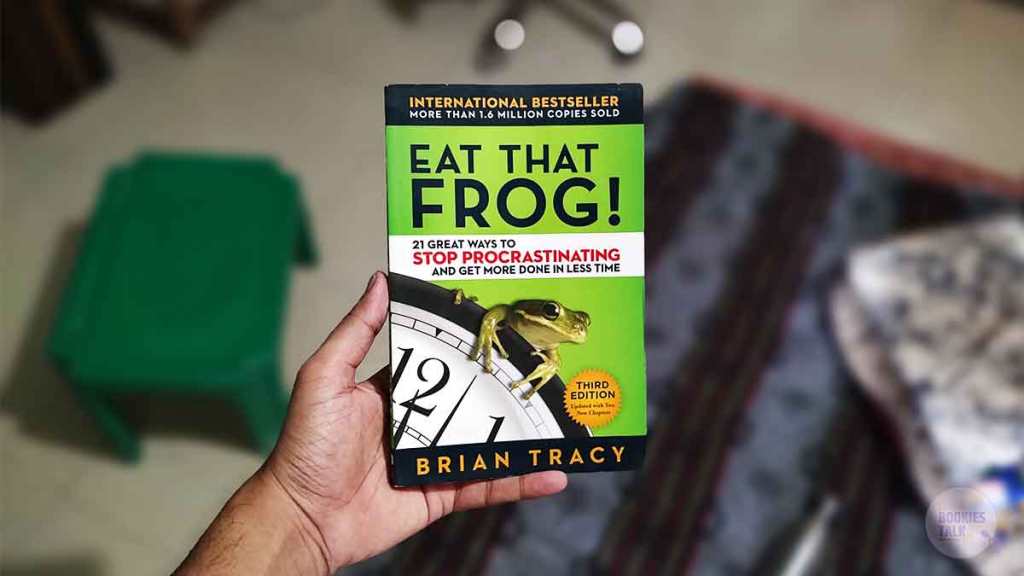
Lessons from Eat That Frog! by Brian Tracy: How to Stop Procrastinating and Get More Done

Time is one of the most valuable resources we have, yet many of us struggle to manage it effectively. Brian Tracy’s Eat That Frog! is a classic productivity book that helps readers overcome procrastination, boost efficiency, and accomplish more each day. The title is based on Mark Twain’s famous quote:

“Eat a live frog first thing in the morning, and nothing worse will happen to you the rest of the day.”

In Tracy’s interpretation, the “frog” represents your biggest, most important, and often most difficult task. By tackling it first, you set yourself up for success. Here are some of the top lessons from Eat That Frog! that can help you master your time and achieve more.

1. Prioritize Your Most Important Tasks (The 80/20 Rule)

Tracy emphasizes the Pareto Principle (80/20 Rule)—which suggests that 20% of your tasks will produce 80% of your results. Instead of spreading your energy across unimportant activities, identify and focus on the few tasks that truly make a difference in your life and career. 

How to Apply It: Start your day by listing your tasks and identifying the top 20% that will drive the biggest results. Eliminate or delegate the less impactful 80% to free up more time. Focus on tasks that align with your long-term goals.

2. Plan Each Day in Advance

A lack of planning leads to wasted time and increased procrastination. Tracy suggests taking a few minutes each evening to map out your next day’s tasks. 

How to Apply It: Use the ABCDE Method: Assign letters to your tasks based on priority: A: Most important (your “frog”) B: Important but not urgent C: Nice to do, but not necessary D: Delegate to someone else E: Eliminate completely. By doing this, you start your day with clarity, knowing exactly what needs to be done first.

3. The “Single-Handling” Rule: Focus on One Task at a Time

Multitasking often leads to lower productivity and more mistakes. Tracy recommends the single-handling technique—focusing on one important task at a time until it is fully completed. How to Apply It: Choose your most critical task and work on it without distractions. Use the Pomodoro Technique (25-minute focused work sprints followed by a short break) to stay engaged. Resist the urge to jump between tasks—stay committed until you finish what you started.

4. Apply the “Law of Three” to Simplify Your Work

Tracy introduces the Law of Three, which states that only three tasks contribute the most to your success in any area of life. If you focus on these three, you can make the biggest impact. 

How to Apply It: Identify three key tasks that contribute the most to your work, personal goals, or financial success. Schedule time each day to make progress on these core tasks. Say no to tasks that don’t align with your three priorities.

5. Develop a Sense of Urgency

Tracy stresses the importance of acting with urgency—not rushing, but moving quickly and decisively. The faster you start, the sooner you gain momentum. 

How to Apply It: Set tight deadlines for yourself, even if they don’t exist externally. Challenge yourself to work faster without compromising quality. Avoid perfectionism—done is better than perfect.

6. Continuous Learning and Self-Improvement

Procrastination often comes from fear or a lack of confidence. Tracy encourages lifelong learning and skill-building to improve your efficiency and make tasks easier. 

How to Apply It: Invest in courses, books, or coaching that enhance your knowledge. Learn from successful people who have mastered time management. Keep upgrading your skills to work smarter, not harder.

Just Eat it!

Eat That Frog! is a straightforward yet powerful guide to overcoming procrastination and making the most of your time. The key takeaways? Prioritize wisely, plan ahead, focus deeply, and act with urgency. If you often find yourself delaying important work, start by identifying your “frog” for the day and tackle it first thing in the morning. Over time, these small changes will compound, leading to greater productivity, less stress, and more success. Are you ready to eat your frog?

Personal Development

Motivation vs. Discipline: Understanding the Key to Long-Term Success

When pursuing any goal, whether personal, professional, or academic—two key forces come into play: motivation and discipline. While they are interconnected, they serve very different purposes. Many people think they can rely solely on motivation to achieve their dreams, but this belief often leads to disappointment. The truth is, motivation is a great starting point, but discipline is what carries you to the finish line. In this blog post, we’ll explore the differences between motivation and discipline, why they matter, and how you can harness both to stay on track and succeed.

What is Motivation?

Motivation is the spark that ignites your desire to take action. It’s the emotional drive that makes you excited to start something new. Think of the exhilaration you feel when you first decide to lose weight, learn a new skill, or start a project. That rush of excitement is motivation at work. Motivation comes in two main forms: intrinsic and extrinsic. Intrinsic motivation is driven by personal satisfaction or enjoyment, like learning a language because you love the culture. Extrinsic motivation, on the other hand, is fueled by external factors such as rewards, recognition, or avoiding punishment, like studying hard to pass an exam or get a promotion.

Motivation is powerful and can push you to make significant changes, but it’s fleeting. It’s easy to feel motivated when everything is going well, but what happens when the excitement fades or you encounter obstacles? That’s where discipline steps in.

What is Discipline?

Discipline is the consistent ability to take action, regardless of how you feel. Unlike motivation, which is emotional, discipline is logical and habitual. It’s waking up early to work on your goals even when you’re tired or don’t feel like it. Discipline is about commitment, self-control, and the willingness to do what’s necessary, even when it’s uncomfortable or inconvenient. Unlike motivation, discipline doesn’t depend on external or internal triggers. Instead, it relies on the systems and habits you’ve built. For example, if you’re trying to stay fit, discipline ensures you go to the gym on a rainy day or prepare healthy meals even when you’re tempted to order takeout.

How Are Motivation and Discipline Different?

Motivation and discipline often overlap, but their differences are crucial to understand. Motivation gets you excited to start something new, but discipline ensures you stick with it long enough to see results. Motivation is fleeting, influenced by mood and circumstances, while discipline is steady and consistent. Think of motivation as the burst of energy you feel when starting a race and discipline as the endurance that keeps you running until the finish line.

Why Both Are Essential for Long-Term Success

The interplay between motivation and discipline is essential for long-term success. For example, imagine you’re preparing for an important exam. Motivation might push you to create a study plan or buy materials, but only discipline will keep you reviewing notes daily and sticking to your schedule. Similarly, if you’re launching a business, motivation might inspire your initial vision and plans, but discipline will drive you to execute those plans, troubleshoot challenges, and show up even when the journey feels hard.

How to Cultivate Both Motivation and Discipline

Cultivating both motivation and discipline is essential. To harness motivation, find your “why.” Understanding the deeper purpose behind your goal can keep the fire burning, even when it dims. Celebrate small wins to stay inspired and acknowledge how far you’ve come. For discipline, build habits that make taking action automatic. Break big goals into smaller, manageable tasks and create a routine that supports consistency. When setbacks happen, focus on your commitment rather than waiting for the next surge of motivation.

The right mix

Motivation and discipline are not opposites but complementary tools that work together to help you achieve your dreams. Motivation fuels the start of your journey, giving you the emotional energy to envision your success. Discipline ensures that vision becomes a reality, guiding you through the tough times when enthusiasm alone isn’t enough. By embracing both, you can set yourself up for success, build lasting habits, and achieve even your most ambitious goals. Remember, motivation is what gets you started, but discipline is what keeps you going.

Personal Development

How to Write and Prepare Your New Year’s Resolutions

The start of a new year is the perfect time to reflect on the past and set intentions for the future. However, many New Year’s resolutions fail because they are vague, unrealistic, or lack a solid plan for execution. This guide will help you craft meaningful resolutions and create a framework to stick to them throughout the year.

Step 1: Reflect on the Past Year

Before setting new goals, take time to evaluate the past year:

Celebrate successes: Write down your accomplishments, no matter how small.

Acknowledge challenges: Identify areas where you struggled and think about what might have held you back.

Learn from experiences: Reflect on the lessons you’ve learned and how they can inform your goals for the upcoming year.

Step 2: Define Your Priorities

Not all goals are created equal. Start by determining what matters most to you:

Personal growth: Are there skills or habits you want to develop?

Health and well-being: Do you want to focus on physical fitness, mental health, or both?

Relationships: Are there connections you’d like to nurture or new ones to build?

Career or academics: What milestones or advancements do you want to achieve?

Step 3: Set SMART Goals

Use the SMART framework to make your resolutions actionable:

Specific: Clearly define what you want to achieve. Instead of “get healthy,” try “exercise three times a week.”

Measurable: Include metrics to track your progress. For example, “save $5,000 by December” is measurable.

Achievable: Be realistic about what you can accomplish given your current resources and circumstances.

Relevant: Ensure your goal aligns with your priorities and values.

Time-bound: Set a deadline to create urgency and structure.

Step 4: Break Down Goals into Steps

Large goals can feel overwhelming, so divide them into smaller, manageable tasks. For example:

• Goal: Write a book in 2024.

• Steps: Outline the chapters in January, write one chapter per month, and edit by November.

Step 5: Create a Support System

Accountability increases the likelihood of success. Share your goals with trusted friends or family members who can encourage you. Alternatively, join a group or community with similar goals, such as a fitness class or writing group.

Step 6: Use Tools to Stay Organized

Leverage tools to keep track of your progress:

Journals or planners: Write down your goals and track daily or weekly progress.

Apps: Use goal-setting apps like Habitica or Todoist to monitor habits and tasks.

Vision boards: Visualize your goals with images and affirmations to stay motivated.

Step 7: Monitor Progress and Adjust

Regularly review your resolutions and assess your progress:

• Set monthly or quarterly check-ins to evaluate how you’re doing.

• Be flexible. If a goal feels unattainable, adjust your approach or timeline instead of giving up.

Step 8: Reward Yourself

Celebrate milestones along the way to stay motivated. Rewards don’t have to be extravagant—a simple treat or a day off can reinforce your commitment to your goals.

Step 9: Embrace the Journey

Resolutions are not about perfection but progress. Even if you stumble, remember that each step forward is a step closer to success. Approach the process with patience, resilience, and a growth mindset.

As you prepare your New Year’s resolutions, focus on crafting meaningful, actionable goals that inspire you to become the best version of yourself. With reflection, planning, and commitment, you can turn your aspirations into achievements in the coming year. Happy New Year in advance!

Business & Work, Personal Development

How to Fight Laziness: 7 Practical Strategies for Overcoming Procrastination

Laziness can sneak into our lives, hindering productivity and leaving us feeling frustrated. While occasional relaxation is healthy, chronic laziness can prevent us from achieving our goals and reaching our full potential. If you find yourself struggling to overcome this inertia, here are seven practical strategies to help you fight laziness and regain your drive.

Set Clear Goals

Often, laziness stems from a lack of direction. Without a clear goal, it’s easy to drift into unproductive habits. Define specific, achievable objectives for your day, week, or month. Use tools like to-do lists or apps to track your progress and stay accountable.

Break Tasks into Smaller Steps

Overwhelming tasks can make you feel paralyzed. Break them into smaller, manageable steps. Instead of thinking about cleaning the entire house, start with one room. Tackling smaller tasks helps build momentum and makes the overall goal less intimidating.

Adopt the Two-Minute Rule

The two-minute rule encourages you to start tasks that can be done in under two minutes. Often, starting a small task leads to a chain reaction, making it easier to continue working on larger projects. The hardest part is getting started, so make it as simple as possible.

Create a Routine

Having a consistent daily routine can reduce the mental effort required to make decisions about what to do next. Set aside specific times for work, exercise, and relaxation. A well-structured routine minimizes opportunities for procrastination and keeps you on track.

Eliminate Distractions

Distractions can derail even the best intentions. Identify what pulls your attention away—social media, TV, clutter—and address them. Use apps that block distracting websites, set boundaries with others during work hours, or create a clutter-free workspace.

Reward Yourself

Motivate yourself by associating tasks with rewards. For example, treat yourself to a favorite snack or a short break after completing a challenging task. Rewards reinforce positive behavior and make tasks feel less like chores.

Focus on the Bigger Picture

Laziness often thrives when we lose sight of why we’re working toward something. Revisit your long-term goals and remind yourself why they matter. Whether it’s a career milestone, financial security, or personal growth, keeping the bigger picture in mind can reignite your motivation.

Fighting laziness is less about willpower and more about creating systems that support productivity. By setting clear goals, breaking tasks into smaller steps, and minimizing distractions, you can turn your lazy moments into productive ones. Remember, progress is progress, no matter how small. Celebrate your wins and keep moving forward—your future self will thank you.