

Business & Work

Germany’s Election Shakes Up Europe: What It Means for the World

Friedrich Merz, Christian Democratic Union (CDU) party candidate for chancellor, speaks at a final rally in Munich beer hall, Germany February 22, 2025. REUTERS/Angelika Warmuth

Germany’s Election Shakes Up Europe: What It Means for the World

Germany’s latest election results have upended the country’s political landscape, paving the way for a center-right government with strong centrist compromises. As coalition talks unfold, the decisions made in Berlin will ripple across Europe, the United States, and the global order. With Friedrich Merz’s CDU/CSU winning 28.5%, a coalition was inevitable. The most likely outcome is a Kenya coalition (CDU/CSU + SPD + Greens), securing a majority of 56.5% and blocking the far-right AfD from any influence. But what does this mean for Germany’s future and its global role?

A New Government: Stability, but at a Cost

Germany’s most realistic coalition—CDU/CSU + SPD + Greens (Kenya Coalition)—ensures that Friedrich Merz becomes chancellor, leading a moderate, pro-European government that balances conservative fiscal policies with social and environmental compromises to satisfy the SPD and Greens.

What This Means for Germany:

1- Political Stability – The Kenya coalition provides a stable majority, preventing political deadlock.

2- Economic Conservatism – The CDU/CSU will focus on budget discipline, business-friendly policies, and reducing bureaucracy.

3- Climate Policies Will Continue – The Greens will push for a strong environmental agenda, likely securing key ministries related to energy and infrastructure.

4- Social Spending Won’t Disappear – The SPD will resist deep cuts to welfare, pensions, and healthcare.

5- Coalition Tensions Ahead – The CDU’s economic agenda may clash with the SPD and Greens’ social priorities, making compromises necessary.

While the coalition prevents a political crisis, it doesn’t reflect a clear mandate for change, as voters remain deeply divided on issues like immigration, defense, and economic reforms.

What This Means for Europe

A More Independent Europe?

Friedrich Merz has long advocated for a stronger, more self-reliant Europe, reducing dependence on the U.S. for security and economic stability. While Germany will remain committed to the EU and NATO, expect a push for European strategic autonomy, particularly in:

1- Defense Spending – Germany may support a stronger EU military presence alongside NATO.

2- Energy Independence – Expect policies that reduce reliance on Russian gas while accelerating Germany’s transition to renewables.

3- Tougher Economic Rules – The CDU’s economic conservatism means Germany may resist EU-wide debt-sharing or excessive financial aid programs.

Germany’s Role in the EU Power Struggle

With France’s Emmanuel Macron pushing for deeper European integration and Italy’s right-wing government favoring national sovereignty, Germany’s new government could be the deciding force in shaping the EU’s future.

1- More Distance from France? While Scholz was closely aligned with Macron, Merz may pursue a more business-focused relationship with other EU states, particularly Nordic and Eastern European economies.

2- Stronger Ties With Eastern Europe – Germany will likely strengthen its alliances with Poland, the Baltics, and Scandinavian countries, especially in security matters related to Russia.

Overall, expect a Germany that remains deeply embedded in the EU but with a stronger focus on financial discipline and national interests rather than sweeping integration.

Germany-U.S. Relations: A Shift Away from Washington?

Germany’s relationship with the U.S. will remain strong, but subtle shifts in priorities could emerge under Merz’s leadership.

Defense and NATO: More European Control?

While Scholz maintained strong U.S. ties—especially on Ukraine—Merz has signaled a desire for Europe to handle more of its own security affairs. This could mean:

1- Higher German Defense Spending – Germany will continue increasing its military budget, but with a focus on European-led defense initiatives.

2- Less Reliance on U.S. Troops – While American military bases in Germany won’t disappear, Merz may support greater European coordination on defense instead of fully depending on NATO.

Economic Policy: Trade Will Stay Strong

1- Germany remains the U.S.’s biggest European trading partner, and this won’t change.

2- Expect continued collaboration on green energy, semiconductor manufacturing, and industrial supply chains.

3- Germany may resist U.S. efforts to “decouple” from China, as many German industries rely on Chinese markets.

Ukraine Policy: Continued Support, With Limits

1- Germany will continue backing Ukraine against Russia, but the new government could be more cautious about long-term military aid.

2- Merz will likely demand clearer U.S. strategy on Ukraine before committing additional weapons or financial assistance.

3- Germany may push for a diplomatic track alongside military aid, seeking long-term solutions rather than an indefinite proxy war.

4- Expect Germany and the U.S. to remain close allies, but with a more independent-minded Berlin that won’t always follow Washington’s lead.

Global Impact: The AfD’s Rise and the Populist Wave

One of the most alarming results of the election is the AfD’s rise to 20.8%, making them the second-largest party in Germany. While mainstream parties have excluded them from coalition talks, their strong performance mirrors a larger trend of rising right-wing populism across Europe.

1- France’s 2027 Election Could See a Far-Right Victory – Marine Le Pen’s National Rally is polling strongly.

2- Italy’s Giorgia Meloni is Already Leading the EU’s Conservative Bloc – Germany’s shift may embolden her economic and immigration policies.

3- Eastern European Nationalism is Rising – Countries like Hungary and Poland may feel vindicated by Germany’s voter shift.

4- Even though the AfD is not in government, their influence will shape Germany’s policies, forcing the mainstream parties to adopt tougher stances on immigration and national security to prevent further voter defections.

Looking Ahead: What to Expect From Germany’s New Leadership

Germany’s election may not have produced radical change, but it reshapes European politics in critical ways. The Kenya coalition ensures stability but requires constant negotiation between conservatives, social democrats, and environmentalists.

Key Takeaways for the Future:

1- Germany will maintain strong EU leadership but with a greater focus on financial discipline and self-reliance.

2- U.S.-Germany relations remain strong, but expect Germany to push for more European control over defense matters.

3- Ukraine support continues, but with potential limitations as Germany demands a clearer Western strategy.

4- Climate policies will move forward, but economic conservatism may slow aggressive spending on green initiatives.

5- The far-right AfD is now a serious political force, even if they are kept out of government.

As Germany moves into a new political era under Friedrich Merz, the world will be watching closely to see how the country balances economic stability, security challenges, and its leadership role within Europe. Germany’s future is stable but uncertain, and its choices will shape the international order for years to come.
Business & Work

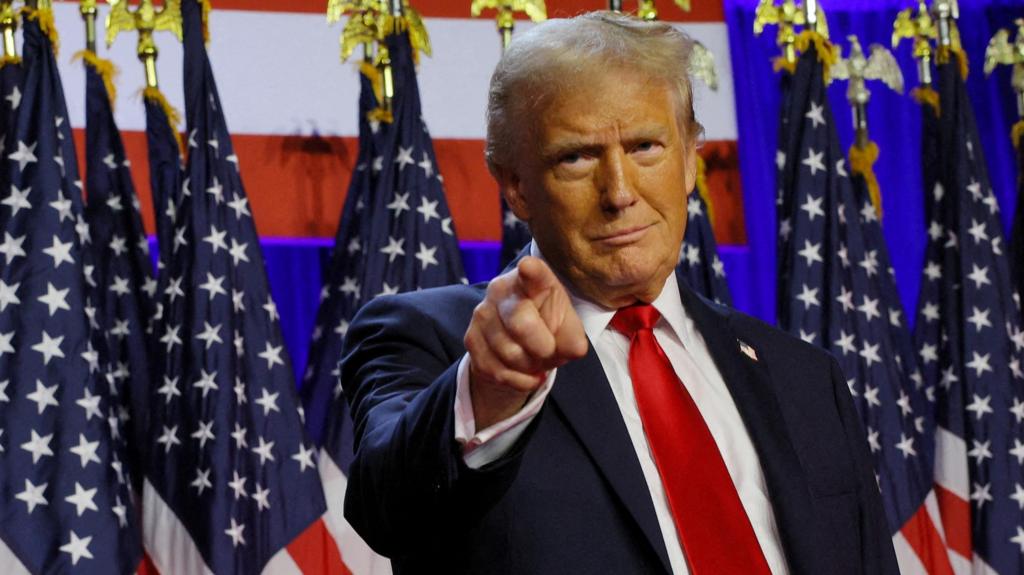
The Re-Election of Donald Trump: What It Means for the Global Order and the Future of Entrepreneurship

The re-election of Donald Trump on November 6, 2024, is a pivotal moment in both American and global politics. With his well-known “America First” policy and a history of skepticism toward multilateral agreements, Trump’s second term is expected to bring significant shifts to the international order. But what does this mean for the future of entrepreneurs in the U.S. and abroad? Let’s explore the potential impacts.

1. Changes in the Global Order

Trump’s “America First” approach implies a shift towards unilateralism, which could strain established alliances and redefine global dynamics.

U.S.-European Relations: European leaders are concerned about the U.S. commitment to NATO and broader security issues. Trump’s focus on protectionist policies might create challenges for cross-Atlantic alliances. However, leaders in Europe have expressed hope for continued cooperation.

Middle East Dynamics: In the Middle East, Trump’s stance has always favored a strong U.S.-Israel alliance. Leaders like Israeli Prime Minister Benjamin Netanyahu are optimistic about this continuity, while Palestinian groups have expressed mixed reactions. This stance could impact ongoing regional conflicts and U.S. influence in the area.

U.S.-China Tensions: China may experience increased economic pressure through tariffs and a more confrontational U.S. approach on sensitive issues like Taiwan and the South China Sea. Asian allies, including Japan and South Korea, have offered cautious congratulations, indicating a wait-and-see approach as the region braces for possible shifts in U.S.-Asia policy.

The potential for a more fragmented international market seems likely, with effects rippling across both developing and developed economies.

2. The Long-Term Outlook for U.S. Entrepreneurs

For entrepreneurs, Trump’s policies could offer a mixed landscape of opportunities and challenges:

Tax Cuts and Deregulation: Proposed corporate tax cuts and continued deregulation could make the U.S. a more attractive environment for new ventures, fueling investment and innovation across sectors.

Trade and Supply Chain Impacts: A protectionist stance might spark trade wars and result in tariffs that disrupt supply chains. Entrepreneurs relying on international markets may see increased costs and complexity in maintaining efficient operations.

Talent Pool Restrictions: With stricter immigration policies, access to a global talent pool may become limited, impacting industries that depend on specialized skills. Technology and research-driven sectors, in particular, may find it harder to source diverse expertise domestically.

For U.S.-based entrepreneurs, the landscape will require adaptability, with an eye on policy shifts that could affect trade, talent, and resource allocation.

3. Global Entrepreneurship Amidst Rising Uncertainty

Entrepreneurs outside the U.S. will face their own set of challenges and opportunities in response to changes in U.S. policies:

Economic Volatility: Countries with strong trade ties to the U.S. could experience economic fluctuations as policies shift. Startups and small businesses in these regions may face increased uncertainty, impacting growth and sustainability.

Emerging Opportunities: Regions less dependent on the U.S. might find new opportunities to fill gaps created by U.S. policy shifts. Businesses in Asia, Africa, and South America could capitalize on trade adjustments and explore partnerships outside traditional U.S.-centric networks.

Entrepreneurs globally will need to monitor these changes closely, especially those with ties to U.S. markets or those whose supply chains rely on American partnerships.

Navigating the Future

Trump’s re-election marks a transformative period, with implications that will ripple across political and economic borders. While the domestic business environment may become more favorable to certain sectors, the global landscape is set to become more complex. Entrepreneurs, whether in the U.S. or abroad, will need to stay informed, agile, and prepared to adapt as the world navigates this evolving order.

For entrepreneurs ready to thrive, this new era will demand not only resilience but also strategic foresight. Staying connected to global trends, understanding the regulatory shifts, and fostering adaptability will be the keys to sustaining growth in this changing world.

Business & Work

Avoiding Conspiracy Theories During High-Profile Events

In today’s fast-paced digital world, misinformation and conspiracy theories can spread like wildfire, especially during high-profile events. The recent incident involving an alleged assassination attempt on Donald Trump is a prime example. Understanding how to avoid falling victim to such conspiracy theories is crucial for maintaining a well-informed and rational perspective. Here’s how you can navigate through the noise and stay grounded in facts.

1. Seek Reliable Sources

When news breaks, it’s essential to turn to trusted and reputable news sources. Mainstream media outlets, established newspapers, and official statements from credible organizations provide verified information. Avoid relying solely on social media or partisan websites, as these can often be the breeding ground for misinformation.

2. Verify Before Sharing

Before you share any news, take a moment to verify its authenticity. Cross-reference the information with multiple reputable sources. If only one obscure website or a social media post is reporting it, be cautious. Verification helps in curbing the spread of false information.

3. Understand the Source’s Bias

Every news outlet has some degree of bias. Understanding this bias helps in critically analyzing the information presented. Websites like AllSides and Media Bias/Fact Check can provide insights into the political leanings and reliability of various news sources.

4. Look for Official Statements

In the case of high-profile events, official statements from law enforcement agencies, government officials, and other relevant authorities are crucial. These statements are usually the most accurate and are based on thorough investigations. For instance, during the alleged assassination attempt on Trump, the FBI and other officials provided clarifications that debunked many circulating conspiracy theories   .

5. Be Aware of Common Misinformation Tactics

Conspiracy theories often rely on emotional manipulation, sensational headlines, and selective information. Be wary of content that evokes strong emotional responses or seems too sensational to be true. Critical thinking and skepticism are your best tools in these scenarios.

6. Educate Yourself on How Misinformation Spreads

Understanding the mechanics of misinformation can empower you to recognize it. Familiarize yourself with common techniques like deepfakes, doctored images, and misleading statistics. Websites like Snopes and FactCheck.org can be valuable resources for debunking false claims and learning about how misinformation spreads.

7. Engage in Constructive Dialogue

If friends or family share dubious information, engage them in a constructive dialogue. Share verified information and help them understand why the source of their information might be unreliable. Approach these conversations with empathy and patience to avoid alienation.

8. Stay Updated with Ongoing Developments

Situations can evolve, and new information can emerge. Keeping updated with ongoing developments from reliable sources ensures you have the most current and accurate information. This ongoing vigilance helps prevent the acceptance of outdated or debunked claims.

In an age where misinformation can easily overshadow the truth, staying informed and critical is more important than ever. By relying on reputable sources, verifying information, understanding biases, and educating yourself about misinformation tactics, you can avoid falling victim to conspiracy theories. High-profile events like the alleged assassination attempt on Donald Trump highlight the need for a vigilant and informed public. Stay skeptical, stay informed, and help others do the same.

By following these guidelines, you can contribute to a more informed and rational discourse, helping to mitigate the spread of conspiracy theories and misinformation.