
Personal Development

The Power of Positive Thinking: A Common Trait Among High Achievers

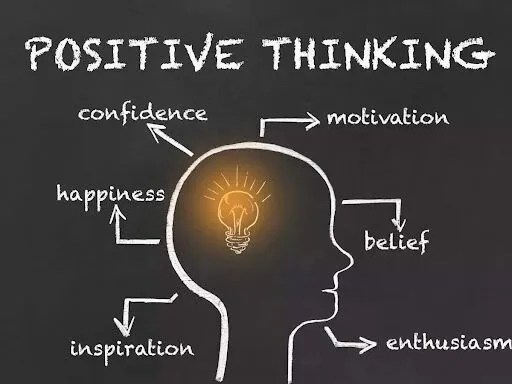
Positive thinking isn’t just a feel-good mantra; it’s a mindset that shapes success. High achievers across industries, from business to sports to science, consistently display optimism and resilience, allowing them to overcome obstacles and reach new heights. But what makes positivity such a powerful force? And why is it a defining trait among the world’s most successful individuals?

The Science Behind Positive Thinking

Research in psychology and neuroscience confirms that positive thinking enhances problem-solving skills, increases resilience, and improves overall health. A study by Barbara Fredrickson, a leading researcher in positive psychology, found that positive emotions expand cognitive flexibility, allowing individuals to think more creatively and find solutions faster. Another study from the Mayo Clinic suggests that optimists tend to live longer and have lower stress levels, leading to greater overall well-being.

High Achievers Who Embrace Positivity

Many of the world’s most successful people credit their achievements to a positive mindset. Here are a few well-known examples:

1. Elon Musk: Optimism in the Face of Failure

Elon Musk, the CEO of Tesla and SpaceX, has faced numerous challenges throughout his career. From Tesla’s near bankruptcy in 2008 to multiple failed rocket launches, Musk has encountered setbacks that would make most entrepreneurs quit. However, his unwavering belief in his vision kept him going. His optimism fueled SpaceX’s eventual success, including the historic partnership with NASA and the launch of reusable rockets.

2. Oprah Winfrey: Overcoming Adversity with Positivity

Oprah Winfrey’s story is a testament to the power of positive thinking. Born into poverty and facing numerous hardships in her early years, Oprah didn’t allow her past to define her future. She attributes much of her success to maintaining a strong, optimistic mindset, which helped her build a media empire and become one of the most influential women in the world. Her philosophy of gratitude and positive thinking continues to inspire millions.

3. Michael Jordan: Using Setbacks as Fuel

Michael Jordan, widely regarded as one of the greatest basketball players of all time, was famously cut from his high school basketball team. Instead of letting this setback define him, Jordan used it as motivation. His positive mindset and relentless work ethic turned him into a six-time NBA champion. He once said, “I can accept failure, everyone fails at something. But I can’t accept not trying.” His ability to focus on solutions rather than problems made him a legendary athlete.

How You Can Cultivate Positive Thinking

If high achievers use positivity to fuel their success, how can you develop a similar mindset? Here are a few strategies:

1. Reframe Negative Thoughts – Instead of focusing on failure, view challenges as learning experiences.

2. Practice Gratitude – Studies show that gratitude increases happiness and reduces stress.

3. Surround Yourself with Positive People – Energy is contagious. Being around optimistic individuals can reinforce a positive mindset.

4. Visualize Success – Many top performers use visualization techniques to mentally prepare for success before it happens.

5. Take Action Despite Fear – Optimists don’t wait for the perfect moment; they move forward with confidence.

Charge up

Positive thinking isn’t about ignoring reality; it’s about approaching life with a mindset that fosters resilience, creativity, and success. The world’s greatest achievers from Elon Musk to Oprah Winfrey, demonstrate that optimism isn’t just a feel-good philosophy; it’s a strategy for turning dreams into reality. By embracing positivity, you, too, can unlock your full potential and achieve greatness.


Business & Work, Personal Development

The Power of Identity-Based Habits: A Lesson from Atomic Habits

James Clear’s Atomic Habits is one of the most influential books on personal development, offering a science-backed approach to building good habits and breaking bad ones. One of its most powerful lessons is the concept of identity-based habits—the idea that the key to lasting change isn’t just setting goals but shifting your identity.

Most people fail to stick with new habits because they focus solely on outcomes. They want to lose weight, save money, or read more books, but they don’t change the way they see themselves. Instead of saying, I want to lose weight, Clear suggests saying, I am a healthy person. This identity shift is what makes a habit stick in the long run.

Why Outcome-Based Habits Often Fail

Most people set goals based on their desired outcomes:

• “I want to lose 20 pounds.”

• “I want to run a marathon.”

• “I want to save $10,000.”

While these are great goals, they don’t necessarily lead to permanent behavior change. Why? Because they focus on whatyou want to achieve rather than who you want to become.

If your goal is to run a marathon, but you don’t see yourself as a runner, you’ll struggle to stay consistent when motivation fades. If you aim to save money but still view yourself as someone who’s bad with finances, your spending habits will eventually revert.

This is where identity-based habits come in. Instead of focusing on what you want to achieve, focus on the type of person you want to become.

Shifting to Identity-Based Habits

Clear explains that lasting change happens when we shift from outcome-based goals to identity-based habits. Here’s how that looks in practice:

• Outcome-Based Goal: “I want to read more books.”

• Identity-Based Habit: “I am a reader.”

• Outcome-Based Goal: “I want to exercise more.”

• Identity-Based Habit: “I am an active person.”

• Outcome-Based Goal: “I want to stop smoking.”

• Identity-Based Habit: “I am a non-smoker.”

The difference may seem subtle, but it’s transformational. By defining yourself as the person you want to be, every small action reinforces that identity, making it easier to stay consistent.

How to Apply Identity-Based Habits in Your Life

1. Decide Who You Want to Be

Instead of just setting a goal, define the kind of person who naturally achieves that goal. If you want to eat healthier, shift your mindset from I need to lose weight to I am someone who values my health.

Ask yourself:

• “Who is the kind of person that achieves this goal?”

• “What habits does that person have?”

If you want to become a runner, start thinking like one: What would a runner do today? Even if it’s just a five-minute jog, you are proving to yourself that you are now a runner.

2. Prove It to Yourself with Small Wins

Every action you take is a vote for the type of person you want to become. If you write a single sentence today, you have acted as a writer. If you choose water over soda, you’ve made a decision that aligns with a healthier identity.

It’s not about instant perfection, it’s about casting hundreds of small votes in favor of the person you want to become. Over time, these small wins reinforce your new identity.

3. Focus on the Process, Not Just the Outcome

Most people focus on the finish line—how much weight they want to lose or how much money they want to save. But real progress happens when you shift your focus to the process itself.

Instead of saying, I want to lose 20 pounds, focus on I am someone who exercises and eats nutritious food daily. This helps you stick with the habit long after you’ve hit the goal.

Similarly, instead of aiming to read 30 books this year, focus on being the type of person who reads every day. Even if you read just five pages, it reinforces your identity as a reader.

4. Avoid the Trap of “Fake Identities”

Becoming the person you want to be isn’t just about thinking differently—it’s about proving it through action. Many people claim a new identity but don’t back it up with consistent behavior.

For example, saying, I am a healthy person while eating junk food daily doesn’t create lasting change. You need to align your actions with your new identity. Every decision, no matter how small, should reinforce the person you are becoming.

The Long-Term Impact of Identity-Based Habits

When you shift your identity, habits become effortless. You no longer need to push yourself to go to the gym—you simply see yourself as someone who works out. You don’t have to force yourself to read—you naturally pick up books because that’s what a reader does.

Clear puts it this way:

“Every action is a vote for the type of person you wish to become.”

With enough votes, your new identity becomes ingrained. You no longer have to rely on willpower or motivation because your habits are a natural extension of who you are.

Your Identity and Your Habits

Your habits shape your identity, but your identity also shapes your habits. If you shift your focus from what you want to achieve to who you want to become, you create a self-reinforcing cycle of success.

Instead of chasing temporary results, build a system where your desired behaviors become second nature. When you embrace identity-based habits, success stops being about motivation or discipline, it simply becomes who you are.

So, who do you want to become?

Personal Development

The Keys to Developing Your Creative Thinking

Creativity is often seen as a mysterious gift, something you either have or don’t. But the truth is, creative thinking is a skill that anyone can develop and strengthen over time. Whether you’re an artist, entrepreneur, writer, or problem-solver, improving your creative thinking can help you generate fresh ideas, innovate solutions, and approach challenges from new angles. If you’ve ever felt stuck in a creative rut or wished you could be more innovative, don’t worry. The ability to think creatively isn’t something that’s limited to a select few. It’s a mindset and a set of habits that can be cultivated. Below are the essential keys to unlocking your creative potential and keeping your mind engaged in the creative process.

1. Embrace Curiosity

Curiosity is the foundation of creative thinking. When you allow yourself to be curious, you naturally begin to ask questions, explore new ideas, and challenge conventional thinking. Instead of accepting things at face value, try asking: Why is this the way it is? What if things worked differently? How can I approach this from a new perspective? The more curious you are, the more you expose yourself to fresh ideas and insights. Curiosity helps you break free from routine thinking and leads to unexpected discoveries.

2. Break Out of Routine

While structure and discipline are important, rigid routines can sometimes stifle creativity. Doing the same things every day in the same way keeps your brain in autopilot mode, making it harder to think outside the box. To stimulate creativity, try making small changes to your daily routine. For example, take a different route to work, listen to a new genre of music, work in a different environment like a coffee shop or park, or try a new hobby that challenges you in a different way. These small disruptions force your brain to adapt and think in new ways, which can spark creative ideas.

3. Engage in Brainstorming and Free Thinking

Sometimes, the best way to generate ideas is to allow yourself to think freely without judgment. Set aside time for brainstorming sessions where no idea is too outlandish. Write down everything that comes to mind, even if it seems impractical or unrealistic at first. One effective brainstorming technique is mind mapping—start with a central concept and branch out with related ideas, allowing your mind to make unexpected connections. Another approach is the “yes, and” technique, where you build on existing ideas instead of immediately dismissing them. The goal is to generate as many ideas as possible. Often, the best creative solutions come from ideas that initially seem unrelated or unusual.

4. Consume a Wide Range of Content

Creativity thrives on inspiration, and one of the best ways to fuel your imagination is by exposing yourself to diverse content. Instead of only consuming content related to your field, explore different disciplines. Read books on topics outside of your expertise, watch documentaries on subjects you know nothing about, listen to podcasts featuring experts from different industries, and travel to new places to immerse yourself in different cultures. By broadening your knowledge and experiences, you create a rich mental library of ideas that your brain can draw from when solving problems or coming up with new concepts.

5. Adopt a Growth Mindset

Many people believe that creativity is an innate talent, but research shows that it’s actually a skill that can be developed. A growth mindset—the belief that abilities can be improved with effort and persistence—is essential for creative thinking. Instead of fearing failure, view it as an opportunity to learn. If an idea doesn’t work, analyze why and adjust your approach. Every mistake brings you closer to a breakthrough.

6. Practice Mindfulness and Reflection

Creativity often flourishes when the mind is relaxed. When you’re constantly busy or stressed, it’s hard to generate fresh ideas. Mindfulness practices like meditation, deep breathing, or simply taking a walk without distractions can help clear your mind and make space for creativity. Reflecting on your experiences by journaling or engaging in quiet contemplation can also help you process ideas and find new perspectives.

7. Surround Yourself with Creative Thinkers

Innovation doesn’t happen in isolation. Engaging with people who think differently from you can push your creativity further. Join communities or groups where ideas are shared and discussed, whether online or in person. Collaborating with others allows you to see things from different viewpoints and gain insights you might not have considered on your own.

8. Keep an Idea Journal

Great ideas often come at unexpected moments. Keeping a notebook or a digital document to jot down thoughts, observations, and inspirations can help capture fleeting ideas before they fade. Over time, reviewing your notes can reveal patterns and connections that lead to new creative breakthroughs.

9. Experiment and Take Risks

Creativity thrives when you step outside your comfort zone. Try new techniques, explore different mediums, and don’t be afraid to experiment. Some of the greatest innovations in history have come from people who took bold risks. Even if an idea doesn’t work out as planned, it can lead to valuable lessons or inspire a new direction.

10. Make Time for Creativity

Creativity doesn’t happen by accident—it needs space to grow. Set aside dedicated time to think, create, and explore new ideas without distractions. Whether it’s 30 minutes a day or a few hours each week, consistent creative practice keeps your mind sharp and your imagination active.

By incorporating these strategies into your daily life, you’ll develop a stronger creative mindset and unlock new ways to think, innovate, and problem-solve. Creativity is like a muscle—the more you exercise it, the stronger it becomes. The key is to stay open, keep learning, and never stop exploring.

Personal Development

Unlocking Freedom with Mel Robbins’ New Book: The Let Them Theory

Mel Robbins, a renowned motivational speaker and author, has released her latest book, The Let Them Theory: A Life-Changing Tool That Millions of People Can’t Stop Talking About. This groundbreaking book introduces a powerful yet simple mindset shift encapsulated in just two words: “Let Them.” With this approach, Robbins encourages readers to release the exhausting habit of trying to control others’ opinions, actions, and judgments, allowing them to reclaim their time, energy, and happiness.

What Is The Let Them Theory?

At its core, The Let Them Theory is about acknowledging and accepting that we cannot control how others behave or feel. Whether it’s worrying about what others think, stressing over someone’s lack of support, or feeling frustrated by how people react to our choices, Robbins urges readers to embrace the mindset of simply letting them be. By shifting focus from external factors to internal well-being, individuals can cultivate a more peaceful and fulfilling life.

Robbins argues that by letting people be who they are, whether they judge, gossip, or have their own opinions, we free ourselves from unnecessary stress and anxiety. Instead of wasting energy trying to win people over or prove ourselves, we can redirect that energy towards self-improvement, personal growth, and the pursuit of goals that truly matter.

Key Takeaways from The Let Them Theory

In the book, Robbins provides science-backed, actionable strategies to help readers incorporate this mindset into their daily lives. Through relatable stories and practical advice, readers will learn:

How to stop seeking approval: Instead of chasing validation from others, The Let Them Theory helps individuals focus on self-acceptance and confidence.

Managing relationships more effectively: By letting others have their own opinions and making peace with differing perspectives, relationships become healthier and less stressful.

Letting go of unnecessary burdens: The book emphasizes the importance of detaching from things outside our control and focusing on what truly brings fulfillment and joy.

Embracing emotional freedom: Robbins’ theory encourages a liberating perspective that allows individuals to focus on their happiness, rather than being trapped by societal pressures and expectations.

The Impact and Popularity of the Book

Since its release, The Let Them Theory has received widespread praise and acclaim. It has topped bestseller lists, with record-breaking preorders reflecting the demand for practical, life-changing advice. Publications such as The Times have highlighted how Robbins’ insights resonate with people seeking to create a healthier relationship with themselves and others.

Social media platforms have also been buzzing with discussions and testimonials from readers who have found relief and clarity in adopting this mindset. Whether it’s dealing with work pressures, family expectations, or social relationships, the “Let Them” philosophy is providing people with a fresh perspective on life’s daily challenges.

Where to Get the Book

The Let Them Theory is available for purchase at major retailers, including Amazon, Barnes & Noble, and Target. Whether you’re looking to break free from people-pleasing tendencies or simply want to reduce stress in your relationships, this book offers practical tools to help you regain control of your life.

For a deeper dive into Robbins’ insights, readers can also check out her recent conversation with Jay Shetty, where she explains how the “Let Them” approach can be applied to daily life challenges.

Watch the full interview here: Mel Robbins on The Let Them Theory

Let them

Mel Robbins’ The Let Them Theory is more than just a book—it’s a movement toward personal freedom, self-empowerment, and inner peace. By adopting the mindset of letting people be who they are without feeling the need to control, influence, or change them, we can unlock a deeper sense of fulfillment and joy.

If you’re ready to stop stressing over things you can’t control and start focusing on your own happiness, The Let Them Theory is a must-read. Grab your copy today and start your journey to a more peaceful and empowered life.

Personal Development

Designing a Life of Growth: Too Busy for Negativity

In today’s world, negativity seems to be everywhere. From endless social media rants to daily news cycles focused on disasters and scandals, it’s easy to get sucked into a vortex of criticism and frustration. Many of us find ourselves wasting precious energy criticizing others, complaining about circumstances, or dwelling on what’s wrong. But what if you could design your life so intentionally that you simply don’t have time for negativity? Instead of reacting to the noise of the world, you’d focus all your energy on developing yourself and achieving your goals.

This isn’t just a strategy for personal growth—it’s a transformative way of living. Here’s why creating a purpose-driven life free from negativity is essential and how you can take steps to build it.

The Value of Purpose and Growth

When you focus on self-improvement and goal achievement, your life becomes filled with meaningful activities that leave no room for negativity. Negativity thrives on idle time and lack of direction, but when you’re immersed in purposeful work and personal development, there’s simply no space for it to grow.

1. Positive Momentum Builds Confidence and Self-Worth When you commit to achieving meaningful goals, every step forward strengthens your confidence and sense of purpose. Completing tasks, learning new skills, or making progress toward your aspirations creates a sense of accomplishment. This sense of self-worth leaves little room for self-doubt or comparing yourself to others. You become so focused on your journey that you stop worrying about what others are doing or saying.

2. Purpose is Energizing; Negativity is Draining Dwelling on negativity or engaging in criticism is mentally and emotionally exhausting. It offers no tangible rewards and only leaves you feeling depleted. In contrast, working toward meaningful goals energizes you. Whether you’re building a business, learning a new skill, or improving your health, purposeful activities fuel you with motivation and excitement.

3. Focus Replaces Distraction A life filled with intentionality naturally eliminates distractions. When your time is occupied by things that matter—like your career, education, relationships, or personal growth—you don’t have the mental bandwidth to engage in unproductive behaviors like criticizing others, gossiping, or complaining. Purposeful focus keeps your attention on what you can control and create.

4. Contribution Over Criticism When you dedicate yourself to building, improving, and contributing, your perspective shifts. You no longer see the world as something to judge or criticize; you see it as something to engage with and enhance. Whether you’re mentoring others, volunteering, or simply being a positive force in your community, contribution gives your life meaning and silences the urge to engage in negativity.

How to Build a Life Too Busy for Negativity

Designing a life so full of purpose that negativity has no place doesn’t happen by accident—it requires deliberate action and planning. Here’s how you can create it:

Clarify Your Vision and Goals Take the time to identify what matters most to you. What are your biggest dreams and priorities? Whether it’s building a career, improving your health, deepening relationships, or learning a new skill, knowing your goals will give you a clear sense of direction.

Plan and Structure Your Days Time is your most valuable resource. Schedule your days intentionally to align with your priorities. Start your morning with activities that set a positive tone, like exercise, meditation, or journaling. Fill your workday with tasks that move you closer to your goals, and reserve evenings for relaxation or personal growth. When your time is structured with intention, distractions like mindless scrolling or engaging in drama naturally fade away.

Surround Yourself with Growth-Oriented People The people you spend time with significantly impact your mindset. Surround yourself with individuals who inspire and challenge you, rather than those who dwell on negativity or bring others down. A supportive, growth-oriented circle will encourage you to stay focused on your goals and maintain a positive outlook.

Practice Gratitude Daily Gratitude is a powerful antidote to negativity. Take time each day to reflect on what you’re thankful for. This practice shifts your focus from what’s lacking to what’s thriving in your life, helping you maintain a constructive mindset.

Learn to Let Go of Unnecessary Criticism Criticizing others often stems from unresolved frustrations or insecurities. Instead of pointing out flaws, channel that energy into self-reflection and self-improvement. Ask yourself, “How can I grow from this situation?” This shift in perspective not only helps you grow but also strengthens your relationships with others.

Commit to Lifelong Learning and Growth Make personal development a cornerstone of your life. Whether it’s reading books, attending workshops, or practicing a skill, constantly learning keeps your mind engaged and your focus forward-looking. Growth leaves little space for dwelling on the past or engaging in unproductive thoughts.

Celebrate Progress and Embrace Challenges Celebrate small wins along the way to keep yourself motivated. Understand that challenges and setbacks are part of the growth process, not reasons to dwell in negativity. Learn from them and use them as stepping stones toward your goals.

The Transformational Impact of a Positive, Purposeful Life

Living a life so busy with growth and achievement that negativity has no room doesn’t mean ignoring the world’s problems or pretending challenges don’t exist. It means shifting your energy toward what you can control: your actions, your mindset, and your impact. This lifestyle is not only fulfilling but also inspiring to others. When you focus on building yourself, you become a role model, showing others what’s possible through dedication and positivity.

Negativity thrives on idleness and distraction. Purpose thrives on action and intention. By designing a life filled with meaningful activities and a relentless focus on personal growth, you can create a reality where negativity simply has no place. The result? A life of fulfillment, resilience, and lasting impact.