

Personal Development

Embracing Change: The Only Constant in Life and Business

The world around us is in a state of perpetual motion. From the shifting tides of economies to the ever-evolving landscape of technology, from personal transformations to global shifts in power, change is the only true constant. Whether we resist it or embrace it, change will happen, so why not prepare for it?

Why Change is Inevitable

1. Technological Advancements: The rapid pace of innovation has reshaped industries, making some skills obsolete while creating new opportunities. Businesses that fail to adapt, like Blockbuster and Kodak, get left behind.

2. Economic and Market Fluctuations: Financial markets rise and fall, consumer behaviors shift, and industries evolve. Companies that thrive are those that anticipate these changes and pivot accordingly.

3. Social and Cultural Shifts: Generational values, political landscapes, and cultural trends influence everything from corporate ethics to individual behaviors. Recognizing these shifts early allows businesses and individuals to stay relevant.

4. Personal Growth and Transitions: People change over time. Our interests, aspirations, and circumstances evolve. Learning to navigate these transitions is crucial for long-term fulfillment and success.

How to Develop an Adaptive Mindset

Adapting to change requires more than just resilience; it requires a mindset that is proactive, flexible, and growth-oriented. Here’s how you can cultivate it:

1. Shift Your Perspective on Change

Instead of seeing change as a threat, view it as an opportunity for growth. Every shift, whether personal or professional, presents a chance to learn something new and improve. The more you embrace this perspective, the easier it becomes to handle uncertainty.

2. Cultivate Lifelong Learning

The most successful people and businesses never stop learning. Stay curious, take courses, read widely, and seek out diverse perspectives. By continuously upgrading your skills and knowledge, you ensure that change doesn’t catch you off guard.

3. Build Emotional Agility

Being adaptable isn’t just about learning new skills—it’s about managing emotions in the face of uncertainty. Practice mindfulness, self-reflection, and emotional intelligence to remain calm and decisive when things don’t go as planned.

4. Develop a Problem-Solving Mindset

Change often presents challenges, but those who thrive see these as problems to be solved rather than barriers. Instead of resisting new circumstances, ask, “How can I make this work in my favor?”

5. Stay Future-Oriented

Complacency is the enemy of progress. Instead of being attached to the present or nostalgic about the past, always look ahead. What trends are emerging? What opportunities could arise from current disruptions? Thinking ahead keeps you prepared.

6. Strengthen Your Network

Surround yourself with people who are adaptable and forward-thinking. A strong network of mentors, peers, and industry leaders can offer valuable insights and support during transitions.

7. Take Calculated Risks

Fear of failure often keeps people stuck in outdated ways of thinking. The most successful individuals and businesses take risks—but they do so strategically. Test new ideas, experiment with change, and refine your approach based on results.

Thrive in a World of Change

Change is inevitable, but how we respond to it is within our control. The individuals and businesses that thrive are those that embrace uncertainty, stay adaptable, and continuously evolve. By shifting our mindset, investing in lifelong learning, and staying future-focused, we can turn change into an advantage rather than a setback.

The question is not if change will come, but how well we will navigate it. Will you resist the tide, or will you ride the wave toward new opportunities? The choice is yours.

Personal Development

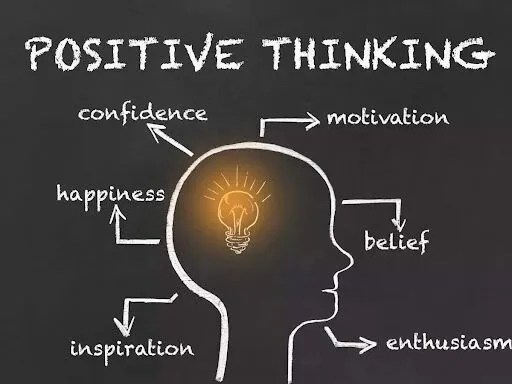
The Power of Positive Thinking: A Common Trait Among High Achievers

Positive thinking isn’t just a feel-good mantra; it’s a mindset that shapes success. High achievers across industries, from business to sports to science, consistently display optimism and resilience, allowing them to overcome obstacles and reach new heights. But what makes positivity such a powerful force? And why is it a defining trait among the world’s most successful individuals?

The Science Behind Positive Thinking

Research in psychology and neuroscience confirms that positive thinking enhances problem-solving skills, increases resilience, and improves overall health. A study by Barbara Fredrickson, a leading researcher in positive psychology, found that positive emotions expand cognitive flexibility, allowing individuals to think more creatively and find solutions faster. Another study from the Mayo Clinic suggests that optimists tend to live longer and have lower stress levels, leading to greater overall well-being.

High Achievers Who Embrace Positivity

Many of the world’s most successful people credit their achievements to a positive mindset. Here are a few well-known examples:

1. Elon Musk: Optimism in the Face of Failure

Elon Musk, the CEO of Tesla and SpaceX, has faced numerous challenges throughout his career. From Tesla’s near bankruptcy in 2008 to multiple failed rocket launches, Musk has encountered setbacks that would make most entrepreneurs quit. However, his unwavering belief in his vision kept him going. His optimism fueled SpaceX’s eventual success, including the historic partnership with NASA and the launch of reusable rockets.

2. Oprah Winfrey: Overcoming Adversity with Positivity

Oprah Winfrey’s story is a testament to the power of positive thinking. Born into poverty and facing numerous hardships in her early years, Oprah didn’t allow her past to define her future. She attributes much of her success to maintaining a strong, optimistic mindset, which helped her build a media empire and become one of the most influential women in the world. Her philosophy of gratitude and positive thinking continues to inspire millions.

3. Michael Jordan: Using Setbacks as Fuel

Michael Jordan, widely regarded as one of the greatest basketball players of all time, was famously cut from his high school basketball team. Instead of letting this setback define him, Jordan used it as motivation. His positive mindset and relentless work ethic turned him into a six-time NBA champion. He once said, “I can accept failure, everyone fails at something. But I can’t accept not trying.” His ability to focus on solutions rather than problems made him a legendary athlete.

How You Can Cultivate Positive Thinking

If high achievers use positivity to fuel their success, how can you develop a similar mindset? Here are a few strategies:

1. Reframe Negative Thoughts – Instead of focusing on failure, view challenges as learning experiences.

2. Practice Gratitude – Studies show that gratitude increases happiness and reduces stress.

3. Surround Yourself with Positive People – Energy is contagious. Being around optimistic individuals can reinforce a positive mindset.

4. Visualize Success – Many top performers use visualization techniques to mentally prepare for success before it happens.

5. Take Action Despite Fear – Optimists don’t wait for the perfect moment; they move forward with confidence.

Charge up

Positive thinking isn’t about ignoring reality; it’s about approaching life with a mindset that fosters resilience, creativity, and success. The world’s greatest achievers from Elon Musk to Oprah Winfrey, demonstrate that optimism isn’t just a feel-good philosophy; it’s a strategy for turning dreams into reality. By embracing positivity, you, too, can unlock your full potential and achieve greatness.

Personal Development

Designing a Life of Growth: Too Busy for Negativity

In today’s world, negativity seems to be everywhere. From endless social media rants to daily news cycles focused on disasters and scandals, it’s easy to get sucked into a vortex of criticism and frustration. Many of us find ourselves wasting precious energy criticizing others, complaining about circumstances, or dwelling on what’s wrong. But what if you could design your life so intentionally that you simply don’t have time for negativity? Instead of reacting to the noise of the world, you’d focus all your energy on developing yourself and achieving your goals.

This isn’t just a strategy for personal growth—it’s a transformative way of living. Here’s why creating a purpose-driven life free from negativity is essential and how you can take steps to build it.

The Value of Purpose and Growth

When you focus on self-improvement and goal achievement, your life becomes filled with meaningful activities that leave no room for negativity. Negativity thrives on idle time and lack of direction, but when you’re immersed in purposeful work and personal development, there’s simply no space for it to grow.

1. Positive Momentum Builds Confidence and Self-Worth When you commit to achieving meaningful goals, every step forward strengthens your confidence and sense of purpose. Completing tasks, learning new skills, or making progress toward your aspirations creates a sense of accomplishment. This sense of self-worth leaves little room for self-doubt or comparing yourself to others. You become so focused on your journey that you stop worrying about what others are doing or saying.

2. Purpose is Energizing; Negativity is Draining Dwelling on negativity or engaging in criticism is mentally and emotionally exhausting. It offers no tangible rewards and only leaves you feeling depleted. In contrast, working toward meaningful goals energizes you. Whether you’re building a business, learning a new skill, or improving your health, purposeful activities fuel you with motivation and excitement.

3. Focus Replaces Distraction A life filled with intentionality naturally eliminates distractions. When your time is occupied by things that matter—like your career, education, relationships, or personal growth—you don’t have the mental bandwidth to engage in unproductive behaviors like criticizing others, gossiping, or complaining. Purposeful focus keeps your attention on what you can control and create.

4. Contribution Over Criticism When you dedicate yourself to building, improving, and contributing, your perspective shifts. You no longer see the world as something to judge or criticize; you see it as something to engage with and enhance. Whether you’re mentoring others, volunteering, or simply being a positive force in your community, contribution gives your life meaning and silences the urge to engage in negativity.

How to Build a Life Too Busy for Negativity

Designing a life so full of purpose that negativity has no place doesn’t happen by accident—it requires deliberate action and planning. Here’s how you can create it:

Clarify Your Vision and Goals Take the time to identify what matters most to you. What are your biggest dreams and priorities? Whether it’s building a career, improving your health, deepening relationships, or learning a new skill, knowing your goals will give you a clear sense of direction.

Plan and Structure Your Days Time is your most valuable resource. Schedule your days intentionally to align with your priorities. Start your morning with activities that set a positive tone, like exercise, meditation, or journaling. Fill your workday with tasks that move you closer to your goals, and reserve evenings for relaxation or personal growth. When your time is structured with intention, distractions like mindless scrolling or engaging in drama naturally fade away.

Surround Yourself with Growth-Oriented People The people you spend time with significantly impact your mindset. Surround yourself with individuals who inspire and challenge you, rather than those who dwell on negativity or bring others down. A supportive, growth-oriented circle will encourage you to stay focused on your goals and maintain a positive outlook.

Practice Gratitude Daily Gratitude is a powerful antidote to negativity. Take time each day to reflect on what you’re thankful for. This practice shifts your focus from what’s lacking to what’s thriving in your life, helping you maintain a constructive mindset.

Learn to Let Go of Unnecessary Criticism Criticizing others often stems from unresolved frustrations or insecurities. Instead of pointing out flaws, channel that energy into self-reflection and self-improvement. Ask yourself, “How can I grow from this situation?” This shift in perspective not only helps you grow but also strengthens your relationships with others.

Commit to Lifelong Learning and Growth Make personal development a cornerstone of your life. Whether it’s reading books, attending workshops, or practicing a skill, constantly learning keeps your mind engaged and your focus forward-looking. Growth leaves little space for dwelling on the past or engaging in unproductive thoughts.

Celebrate Progress and Embrace Challenges Celebrate small wins along the way to keep yourself motivated. Understand that challenges and setbacks are part of the growth process, not reasons to dwell in negativity. Learn from them and use them as stepping stones toward your goals.

The Transformational Impact of a Positive, Purposeful Life

Living a life so busy with growth and achievement that negativity has no room doesn’t mean ignoring the world’s problems or pretending challenges don’t exist. It means shifting your energy toward what you can control: your actions, your mindset, and your impact. This lifestyle is not only fulfilling but also inspiring to others. When you focus on building yourself, you become a role model, showing others what’s possible through dedication and positivity.

Negativity thrives on idleness and distraction. Purpose thrives on action and intention. By designing a life filled with meaningful activities and a relentless focus on personal growth, you can create a reality where negativity simply has no place. The result? A life of fulfillment, resilience, and lasting impact.

Personal Development

Embracing Personal Growth: The Power of Self-Reflection and Continuous Improvement

In the fast-paced world we live in, personal development often takes a backseat to daily responsibilities and external pressures. However, investing in your own growth is one of the most important things you can do for yourself. It not only shapes who you are but also determines the trajectory of your life. One of the most transformative aspects of personal development is self-reflection, a practice that helps you understand your strengths, identify areas for improvement, and build a roadmap for continuous progress.

Why Personal Development Matters

Personal development is about becoming the best version of yourself, not only for your own satisfaction but also for the people and causes you care about. It encompasses a range of aspects, including emotional intelligence, physical well-being, skill enhancement, and mental resilience. When you commit to self-improvement, you set the foundation for better relationships, career growth, and a deeper sense of purpose.

The Role of Self-Reflection

At the heart of personal development lies self-reflection, the ability to pause, examine your life, and ask critical questions:

• What are my core values and goals?

• How well am I aligning my daily actions with these values?

• What habits are holding me back, and which ones are propelling me forward?

Taking time to reflect regularly can help you uncover patterns that might not be obvious in the moment. For example, you might realize that procrastination stems from fear of failure or that your reluctance to take risks is rooted in past disappointments. Awareness is the first step toward change.

Creating a System for Continuous Growth

Self-reflection is just the beginning; personal growth requires a plan of action. Here are some steps to foster continuous improvement:

1. Set Clear Goals: Whether it’s learning a new skill, improving your physical health, or cultivating better relationships, having clear, actionable goals gives you a sense of direction.

2. Adopt a Growth Mindset: Embrace challenges as opportunities to learn rather than obstacles to avoid. Celebrate progress, even if it’s small.

3. Seek Feedback: Constructive feedback from trusted friends, mentors, or colleagues can offer valuable insights into areas where you might be blind to your own limitations.

4. Invest in Learning: Read books, attend workshops, or take online courses in areas that interest you. Lifelong learning keeps your mind sharp and opens up new opportunities.

5. Prioritize Well-Being: Personal development isn’t just about achievements; it’s also about maintaining balance. Make time for physical activity, mindfulness practices, and meaningful connections.

6. Evaluate and Adjust: Regularly revisit your goals and progress. If something isn’t working, don’t be afraid to pivot.

Overcoming Common Challenges

Personal development isn’t always easy. You may face self-doubt, fear of change, or a lack of motivation. The key is to acknowledge these challenges and keep going. Remember, growth happens outside your comfort zone. Surround yourself with a supportive community, and remind yourself that every small step forward is a victory. 

Personal development is a lifelong journey that demands commitment, patience, and self-awareness. By embracing self-reflection and taking intentional steps toward growth, you can unlock your full potential and lead a more fulfilling life. The beauty of this journey is that it’s uniquely yours, crafted by your aspirations, shaped by your challenges, and enriched by your successes.

So, take a moment today to reflect on where you are and where you want to go. Your future self will thank you.

Personal Development

Discovering Your Values: A Guide to Uncovering Your True Self

In a world full of noise, opinions, and societal expectations, understanding what truly matters to you is both a challenge and an opportunity. Values act as your internal compass, guiding your decisions, behaviors, and relationships. Discovering them is a deeply personal journey, but one that can unlock a sense of purpose and clarity in your life. Here’s a step-by-step guide to help you uncover your core values:

Reflect on Pivotal Moments 

Think back to key moments in your life—both triumphs and challenges. Ask yourself: What made these moments meaningful or difficult? How did you react, and why? What did these experiences teach you about what matters most? For example, if you felt deeply fulfilled helping a friend through a tough time, compassion or service might be one of your values.

Identify What Energizes You 

Pay attention to the activities, conversations, and environments that leave you feeling alive and inspired. Similarly, note what drains or frustrates you. The things that excite you often align with your values, while the things that repel you may reflect a lack of alignment with them.

Examine Your Role Models 

Who do you admire, and why? Role models often embody traits and principles we aspire to uphold. Whether it’s their courage, generosity, or integrity, these qualities can offer insight into your own values.

Look for Patterns 

Start a journal to document your daily experiences. Over time, patterns will emerge. For instance, you might notice that you consistently value honesty in your interactions or feel happiest when you’re learning something new.

Engage in Values Exercises 

Try structured exercises, such as: Values Card Sorts: Rank a set of potential values to determine which resonate most. Prompt-Based Writing: Answer questions like, “What would I want to be remembered for?” or “What would I do if I didn’t fear judgment?”

Seek Feedback 

Sometimes, others see us more clearly than we see ourselves. Ask trusted friends, family, or mentors to share what they perceive as your guiding principles based on your actions and choices.

Test Your Values 

Values are more than words—they’re actions. To ensure a value truly resonates, put it into practice. For example, if you believe you value adventure, take steps to incorporate spontaneity into your life and observe how it feels.

Refine and Prioritize 

You may discover many values, but not all will hold equal weight. Narrow your list to 3–5 core values that are most essential to who you are. These will be your guiding lights.

Revisit and Evolve 

Values aren’t static. Life experiences, personal growth, and changing priorities can shift your values over time. Make it a habit to periodically revisit your list and assess whether it still reflects your true self.

Why Discovering Your Values Matters 

Living in alignment with your values brings a sense of authenticity and peace. Decisions become easier, relationships grow stronger, and you gain the confidence to pursue a life that feels uniquely yours. By understanding and honoring your values, you create a roadmap for a life filled with purpose and fulfillment. Start your journey today, because knowing who you are is the first step to becoming your best self. What values drive you? Share your insights in the comments below!