
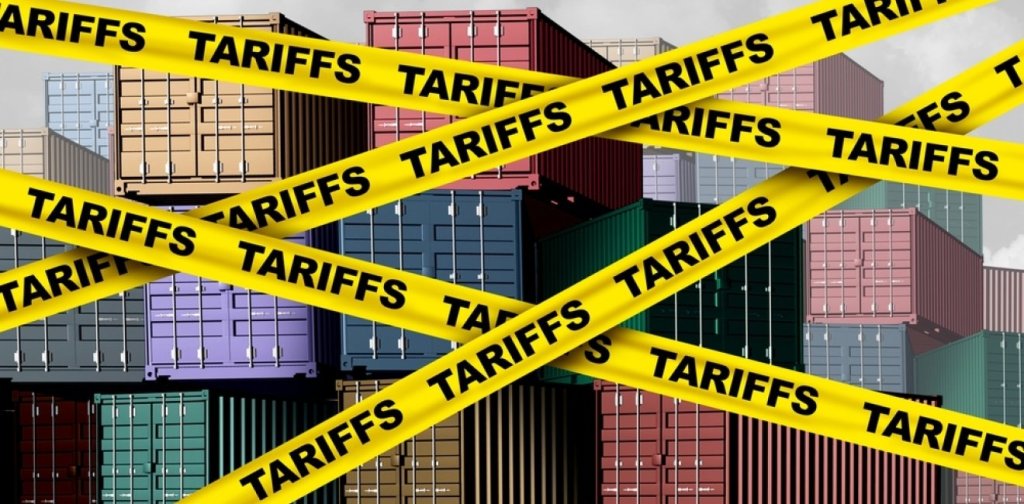
Tariffs can be unpredictable, and as an entrepreneur, you don’t always have control over when or how they hit. Whether you’re running a startup that relies on imported parts, a small e-commerce business sourcing products from overseas, or a manufacturer exporting to international clients, tariffs can increase your costs, slow down your operations, and complicate your growth plans.
But while you can’t control global trade policies, you can control how you respond. This post outlines a practical, non-political guide for entrepreneurs to deal with tariffs effectively, minimizing risks and staying competitive in a shifting global market.
1. Understand What Tariffs Mean for Your Business
Before making changes, start by identifying exactly how tariffs affect you. Are they increasing the cost of your raw materials or finished products? Are they making your exports less attractive in other markets? Are they slowing your supply chain? Review your vendor list and inventory to pinpoint which goods are subject to current or potential tariffs and calculate how that might impact your pricing, margins, and delivery timelines.
2. Diversify Your Supply Chain
Relying on a single supplier or country puts your business at risk. If tariffs hit that region, your entire operation could be disrupted. Begin sourcing from multiple regions or working with global suppliers who already have diverse networks. In some cases, switching to a domestic supplier—even at a slightly higher upfront cost—may be more stable and cost-effective in the long run.
3. Build More Flexibility Into Your Contracts
When negotiating with suppliers or customers, try to include terms that account for price adjustments due to tariffs or other external cost factors. This ensures that you’re not locked into fixed prices that become unmanageable if import/export costs suddenly rise. Clauses that allow renegotiation or cost-sharing in the event of tariff changes can protect both sides and keep your relationships intact.
4. Improve Inventory Planning
When tariffs are expected, businesses often rush to stock up before the higher prices kick in. If you can afford it, increasing inventory ahead of known tariff deadlines can save money. But overstocking comes with storage and cash flow risks, so always weigh the costs and consider using forecasting tools to balance your inventory needs with potential tariff timelines.
5. Evaluate Pricing and Communication Strategies
If tariffs raise your costs, you may need to adjust your prices. That’s never an easy call, but sometimes it’s necessary to maintain margins. When increasing prices, transparency helps—let your customers know what’s behind the change. Many consumers and B2B clients are already aware of global trade issues and may be more understanding than you think, especially if you explain how you’re working to keep quality and service high.
6. Explore Alternative Markets
If tariffs make it harder to sell in one country, explore others where trade terms are more favorable. Look into free trade agreements that your country has with other regions. There may be untapped demand in places you hadn’t previously considered. Selling into markets with fewer trade barriers can help balance losses elsewhere.
7. Invest in Operational Efficiency
One way to absorb increased costs without raising prices is to make your internal operations more efficient. This could mean reducing waste, automating routine tasks, renegotiating shipping contracts, or refining your product packaging. Small improvements across multiple areas can free up cash to handle new tariffs without compromising on product or service quality.
8. Stay Informed, but Don’t Panic
Tariff news can create uncertainty, but not all headlines lead to permanent changes. Policies often go through multiple stages—proposal, negotiation, revision, delay—before they’re implemented. Instead of reacting emotionally to every announcement, monitor reliable sources, subscribe to trade updates, and build relationships with industry groups that offer early insights and expert guidance.
9. Consult Trade and Tax Professionals
Sometimes the smartest move is to bring in outside help. Trade consultants or customs brokers can help you explore exemptions, classification changes, or restructuring your supply chain to legally reduce exposure. Tax advisors can help you offset tariff-related costs through other savings or credits you may not be using.
10. Use This Time to Innovate
Challenges like tariffs can also be catalysts for innovation. Can you redesign a product to use different components? Can you launch a new product line less dependent on imports? Can you offer digital services that sidestep trade issues altogether? Entrepreneurs thrive when they turn obstacles into new business models or competitive advantages.
Final Thoughts
Tariffs are a reality of doing business in today’s global economy, but they don’t have to derail your progress. By staying flexible, informed, and proactive, you can build a more resilient business—one that’s ready to adapt not just to tariffs, but to any challenge that comes your way.
Stay focused on what you can control. That’s where the smartest moves, and the best opportunities, begin.
 Daniel Molgan Official