Personal Development

The Best Ways to Spend Your Weekends: Recharging with Purpose and Joy

Weekends often feel like a precious breath of fresh air after a long week of work, school, or responsibility. But how we use these 48 hours can make a big difference in how we feel—mentally, emotionally, and even physically—heading into the next week. Whether you’re a planner or a go-with-the-flow type, here are some of the best ways to spend your weekends that combine relaxation, productivity, and genuine joy.

1. Unplug and Recharge Take a break from screens. Spend time away from social media, email, or endless scrolling. Go for a walk, read a physical book, or simply sit with a cup of coffee in silence. Even a few hours of digital detox can restore mental clarity and reduce stress.

2. Spend Quality Time with Loved Ones Weekends are a perfect time to reconnect. Whether it’s brunch with friends, a family movie night, or a date night, investing in relationships gives you a sense of belonging and emotional warmth that fuels you through the week.

3. Get Active and Move Your Body Physical activity doesn’t have to mean a hardcore workout. Go hiking, try yoga, bike around your neighborhood, or play a casual sport with friends. Moving your body increases endorphins, boosts mood, and helps you sleep better.

4. Explore Something New Break out of your routine. Visit a new café, attend a local event or festival, take a short road trip, or try a new hobby like painting, cooking a different cuisine, or learning a musical instrument. Novel experiences keep life interesting and spark creativity.

5. Declutter and Organize If you’re in the mood for productivity, use a portion of your weekend to tidy up your space. A clean, organized environment can reduce anxiety and create a sense of control. Plus, it makes weekday life much smoother.

6. Meal Prep or Cook Something Special Cooking at home is both creative and practical. Try a new recipe or prep your meals for the week ahead. It saves time, money, and encourages healthier eating habits.

7. Sleep In (a Little) Catching up on sleep is important—but don’t overdo it. Aim to get quality rest without throwing off your sleep schedule. A refreshed mind makes the whole weekend more enjoyable.

8. Pursue Personal Goals Weekends are a chance to work on long-term personal goals or passion projects. Whether it’s writing, building a side hustle, or planning for the future, even small steps make a difference over time.

9. Practice Mindfulness or Journal Take 10–20 minutes to reflect on your week. What went well? What challenged you? What are you grateful for? Journaling or meditating helps you reset mentally and carry more intention into your next week.

10. Do Absolutely Nothing (Guilt-Free) Sometimes the best thing to do is nothing at all. Don’t feel pressured to make every moment productive. Lying on the couch, watching a movie, or just daydreaming has its own magic. Rest is a form of self-care.

Final Thoughts: The “perfect” weekend looks different for everyone. The key is balance between rest and movement, solitude and connection, reflection and fun. When you spend your weekends with purpose (even if the purpose is to rest), you give yourself the chance to thrive, not just survive. So this weekend, ask yourself: What will refresh me the most?Then go do it.

Personal Development

How to Make the Most of This Spring

Spring is finally here, bringing longer days, warmer weather, and the perfect opportunity to refresh your routine. Whether you want to enjoy nature, improve your health, or start a new project, this season is full of possibilities. Here’s how to make the most of it.

1. Spend More Time Outdoors

After months of cold weather, take advantage of the sunshine and fresh air. Go for a morning walk, plan a weekend hike, or have a picnic in the park. Studies show that spending time in nature reduces stress, boosts mood, and improves overall well-being.

Ideas:

• Visit a botanical garden or nature reserve

• Try outdoor yoga or meditation

• Explore a new hiking trail or biking route

2. Refresh Your Home and Mind

Spring cleaning isn’t just about tidying up—it’s about creating a fresh start. Decluttering your space can lead to a clearer mind and better productivity. Open your windows, let in the fresh air, and refresh your home with new plants or light décor changes.

Checklist for a Spring Refresh:

• Deep clean your living space

• Donate unused clothes and items

• Organize your workspace for a productivity boost

3. Focus on Your Health

With the new season, it’s the perfect time to refresh your diet and fitness routine. Seasonal fruits and vegetables are more available, and the weather makes outdoor workouts more enjoyable.

Ways to Prioritize Health:

• Add more fresh produce to your meals

• Try a new outdoor workout, like jogging or cycling

• Stay hydrated and get plenty of sunlight for Vitamin D

4. Pick Up a New Hobby

Spring is a season of renewal—why not use it to learn something new? Whether it’s gardening, photography, or a creative skill like painting, hobbies bring joy and relaxation.

Hobby Ideas:

• Start a small garden or grow herbs indoors

• Learn a new language or take an online course

• Try springtime photography to capture blooming flowers and landscapes

5. Plan a Short Getaway

If possible, take a break from your routine and explore a new place. Even a weekend trip can refresh your mind and boost your creativity.

Spring Travel Ideas:

• Visit a coastal town before the summer crowds arrive

• Take a road trip to a scenic countryside spot

• Experience a local festival or farmers’ market

6. Strengthen Social Connections

Spring is a great time to reconnect with family and friends. Whether it’s hosting a BBQ, planning a group hike, or simply catching up over coffee, socializing helps build meaningful relationships.

Ways to Connect:

• Organize an outdoor gathering or game night

• Call a friend you haven’t talked to in a while

• Join a community event or local club

7. Set New Goals

The fresh start that spring offers is a great time to revisit your personal or professional goals. Make a plan for the next few months and set small, achievable steps.

Goal-Setting Tips:

• Write down three things you want to accomplish this season

• Break them into weekly action steps

• Stay accountable by tracking progress or sharing with a friend

Spring is a season of growth and renewal—embrace it fully!

Personal Development

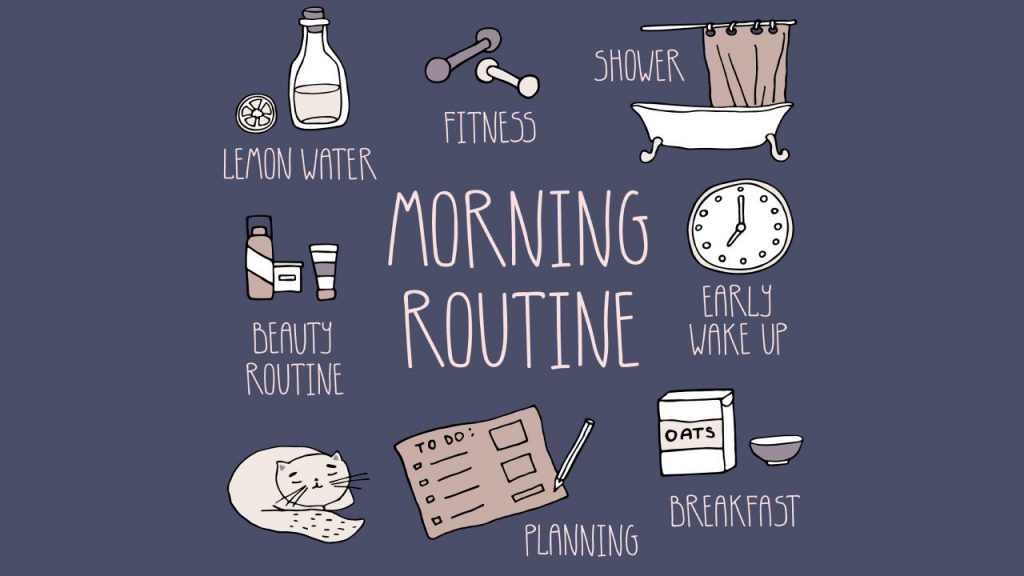
The Power of a Good Morning Routine: How to Set Yourself Up for Success

How you start your morning sets the tone for the rest of your day. A well-structured morning routine can improve your productivity, boost your mental and physical health, and enhance your overall well-being. While everyone’s ideal morning routine may differ, the core benefits remain the same: clarity, discipline, and momentum.

Why a Good Morning Routine Matters

1. Boosts Productivity and Focus

A well-planned morning routine allows you to begin your day with intention. Instead of rushing through tasks in a frantic state, you start with a structured approach, ensuring that your most important priorities get attention. Studies show that people who follow a morning routine tend to be more focused and efficient throughout the day.

2. Reduces Stress and Anxiety

Waking up late and scrambling to get out the door creates unnecessary stress. A structured morning routine eliminates that chaotic feeling and gives you a sense of control. When you begin your day calmly, you are less likely to feel overwhelmed and more equipped to handle challenges.

3. Promotes Physical and Mental Well-being

Incorporating healthy habits into your morning—such as exercise, stretching, deep breathing, or meditation—can significantly improve your mental and physical health. Regular movement boosts energy levels, enhances cognitive function, and releases endorphins, which improve mood and reduce stress.

4. Encourages Discipline and Consistency

Discipline is the foundation of long-term success. A morning routine builds good habits by reinforcing discipline. Over time, the simple act of waking up early, exercising, reading, or journaling strengthens your ability to stick to commitments in other areas of life.

5. Sets a Positive Tone for the Day

How you start your morning impacts how you feel for the rest of the day. A chaotic morning often leads to frustration and lack of focus, whereas a well-planned routine fosters positivity and motivation. Starting the day with gratitude, self-reflection, or a personal ritual can help you maintain a positive mindset.

Key Elements of an Effective Morning Routine

Creating a powerful morning routine doesn’t mean you have to wake up at 5 a.m. and follow a rigid checklist. The key is consistency and aligning your habits with your personal goals. Here are some essential elements to consider:

1. Wake Up Early (But Get Enough Sleep!)

The most successful people start their day early, but waking up early means nothing if you’re sleep-deprived. Aim for 7–9 hours of quality sleep and wake up at a time that allows you to ease into your day.

2. Hydrate First Thing

After several hours of sleep, your body is dehydrated. Drinking a glass of water first thing in the morning helps rehydrate your body, kickstarts your metabolism, and improves brain function.

3. Move Your Body

Exercise is one of the most powerful ways to boost energy and mental clarity. Whether it’s a full workout, yoga, stretching, or a brisk walk, movement helps wake up your body and mind.

4. Practice Mindfulness or Gratitude

Take a few minutes to reflect, meditate, or practice gratitude. This simple habit shifts your focus from stress and negativity to positivity and intention. Journaling, deep breathing, or simply sitting in silence can be transformative.

5. Eat a Nutritious Breakfast

Food fuels your brain and body. Avoid processed foods and opt for a balanced breakfast with protein, healthy fats, and fiber to sustain your energy levels throughout the day.

6. Plan Your Day

Before diving into work or social media, take a moment to outline your priorities. Writing down your top tasks or reviewing your schedule ensures that you stay on track and minimize distractions.

7. Limit Screen Time

Many people wake up and immediately check their phones, exposing themselves to stress, negative news, or distractions. Instead, delay screen time and focus on your own thoughts and goals first.

How to Build a Morning Routine That Works for You

1. Start Small – If you’re not used to a structured morning routine, introduce new habits gradually. Small changes are more sustainable than a complete overhaul.

2. Be Realistic – Your routine should fit your lifestyle. If you’re not a morning person, a 5 a.m. wake-up call might not be the best strategy. Find a rhythm that works for you.

3. Stay Flexible – Life happens, and sometimes routines get disrupted. Instead of abandoning the habit altogether, have a flexible mindset and adapt when necessary.

4. Track Your Progress – Journaling or using habit-tracking apps can help you stay accountable and notice improvements in your mood, energy, and productivity.

5. Enjoy the Process – A morning routine should energize and inspire you, not feel like a burden. Find habits that make you feel good and excited to start the day.

Start the Day Right

A great morning routine isn’t about perfection—it’s about consistency and intention. By designing a routine that aligns with your goals and values, you can transform your days from rushed and reactive to calm and productive. Start small, stay consistent, and watch how a well-structured morning sets the foundation for success in every aspect of your life.

Personal Development

Stay Healthy and Disease-Free This Winter

Winter brings chilly weather, cozy nights, and a host of challenges to our immune systems. The combination of colder temperatures, less sunlight, and increased time spent indoors can make us more susceptible to illnesses. However, with the right approach, you can boost your immunity, protect yourself from seasonal illnesses, and enjoy the winter season to the fullest. Here are some practical tips to help you stay healthy and disease-free during winter.

1. Boost Your Immune System with a Balanced Diet

A strong immune system starts with proper nutrition. Focus on consuming a variety of nutrient-rich foods:

Fruits and Vegetables: Include citrus fruits like oranges and grapefruits for vitamin C, as well as dark leafy greens and carrots for vitamin A.

Whole Grains and Lean Proteins: These provide energy and essential amino acids for body repair and immune function.

Healthy Fats: Nuts, seeds, and fatty fish like salmon are rich in omega-3s, which support overall health.

Hydration: Drink plenty of water, even if you don’t feel as thirsty. Herbal teas and warm soups are excellent winter options.

2. Stay Physically Active

It’s tempting to curl up on the couch during cold days, but regular exercise keeps your immune system robust and helps you manage stress. Consider:

• Indoor workouts like yoga or strength training.

• Outdoor activities such as brisk walks or jogging when weather permits. Dress in layers to stay warm and dry.

3. Prioritize Quality Sleep

Sleep is crucial for your body’s ability to fight infections. Aim for 7–9 hours of sleep per night, and establish a relaxing bedtime routine. If shorter daylight hours disrupt your sleep patterns, consider using blackout curtains or a white noise machine to create an ideal sleep environment.

4. Practice Proper Hygiene

Winter is flu season, so practicing good hygiene is essential:

• Wash your hands frequently with soap and water for at least 20 seconds.

• Avoid touching your face, especially your eyes, nose, and mouth, to reduce the spread of germs.

• Disinfect frequently touched surfaces like door handles, keyboards, and phones.

5. Protect Yourself from the Cold

Prolonged exposure to cold weather can lower your immune defenses. Stay warm by:

• Dressing in layers to trap body heat.

• Wearing a hat, scarf, and gloves to prevent heat loss from your head and extremities.

• Investing in waterproof shoes and warm socks to keep your feet dry and warm.

6. Get Vaccinated

Seasonal flu and other respiratory infections are common during winter. Protect yourself by getting vaccinated. The flu shot is especially important for individuals at higher risk, including the elderly, young children, and those with underlying health conditions.

7. Stay Social, but Stay Safe

While spending time with loved ones can boost mental health, be mindful of gatherings during peak illness seasons. If you’re feeling unwell, avoid close contact with others to prevent spreading germs. Virtual hangouts can be a great alternative when you or others are under the weather.

8. Consider Supplements

If your diet lacks certain nutrients, supplements like vitamin D (especially crucial in winter due to reduced sunlight) and zinc can support your immune health. Consult a healthcare provider before starting new supplements.

9. Manage Stress Levels

Chronic stress can weaken your immune system. Practice stress-reducing activities like mindfulness, meditation, or hobbies that bring you joy. Taking regular breaks from work and staying connected with supportive friends and family can also improve mental health.

10. Know When to Seek Help

If you experience persistent symptoms like a sore throat, fever, or fatigue, consult a healthcare provider. Early intervention can prevent more serious complications.

Winter doesn’t have to be synonymous with illness. By taking proactive steps to care for your body and mind, you can enjoy the season while staying healthy and disease-free. Start implementing these tips today to make the most of winter without worrying about your health.

Personal Development

Lifestyle Design and Crafting a Life Aligned with Your Values

In a world filled with obligations and distractions, designing a lifestyle that reflects your values is an empowering way to live authentically. Lifestyle design is about intentionally shaping your daily routines, goals, and environment to align with what truly matters to you. It’s a proactive approach that replaces “going with the flow” with purposeful living. Here’s how you can craft a life that reflects your values.

1. Define Your Core Values

Your values are the foundation of lifestyle design. They represent what you prioritize most in life, whether it’s family, health, freedom, creativity, or personal growth. Reflect deeply on what brings you joy, fulfillment, and a sense of purpose. Ask yourself: What do I care about most? What principles guide my decisions? What legacy do I want to leave behind? Write down your top 5-10 values. These will serve as your North Star.

2. Assess Your Current Lifestyle

To design a new lifestyle, start by understanding your current one. Track how you spend your time, energy, and money for a week. This will help you identify areas where your actions don’t align with your values. For example, if you value health but spend little time exercising or preparing nutritious meals, there’s a disconnect to address. Awareness is the first step toward change.

3. Set Intentional Goals

Goals turn values into actionable steps. Using the SMART framework (Specific, Measurable, Achievable, Relevant, Time-bound), create goals that bring your values to life. For instance: If you value creativity, set a goal to write, paint, or create something weekly. If you value freedom, work toward financial independence or flexible work arrangements. Prioritize goals that have the greatest impact on your life.

4. Design Daily Routines

Your daily habits shape your reality. Create routines that support your values and goals: Morning rituals can help set a positive tone for the day, such as journaling, meditating, or exercising. Work habits should maximize productivity while maintaining balance, like time-blocking or scheduling breaks. Evening routines can foster reflection and relaxation, such as reading or spending quality time with loved ones. Consistency is key. Over time, these habits will naturally align your life with your values.

5. Simplify and Focus

In today’s fast-paced world, it’s easy to get overwhelmed by trying to do too much. Simplify your life by eliminating distractions and focusing on what truly matters. Say “no” to commitments that don’t align with your values, and declutter your environment to create a space that inspires calm and clarity. Minimalism can be a powerful tool in lifestyle design, helping you prioritize experiences and relationships over material possessions.

6. Build a Supportive Environment

Your surroundings play a significant role in shaping your lifestyle. Surround yourself with people who inspire and support you. Design your physical space to reflect your goals, such as a home gym for fitness enthusiasts or a cozy reading nook for book lovers. Align your digital environment too—curate your social media feeds and limit screen time to protect your mental well-being.

7. Embrace Flexibility

Lifestyle design isn’t about rigidly sticking to a plan; it’s about creating a framework that evolves with you. As your values or circumstances change, revisit your goals and routines. Flexibility ensures your lifestyle continues to reflect who you are and where you want to go.

8. Measure Progress and Celebrate Wins

Regularly evaluate your progress. Are you living in alignment with your values? Celebrate small victories along the way to stay motivated. For example, completing a month of consistent workouts or spending more quality time with loved ones are milestones worth acknowledging.

A life that is of your design

Designing a lifestyle that reflects your values is a journey of self-discovery and intentional action. By defining your values, setting purposeful goals, and building habits that align with them, you can create a life that feels meaningful and fulfilling. Remember, lifestyle design isn’t about perfection; it’s about progress. Start small, stay consistent, and enjoy the process of crafting a life that truly resonates with you.