
Personal Development

Mastering Habit Formation: Lessons from Atomic Habits by James Clear

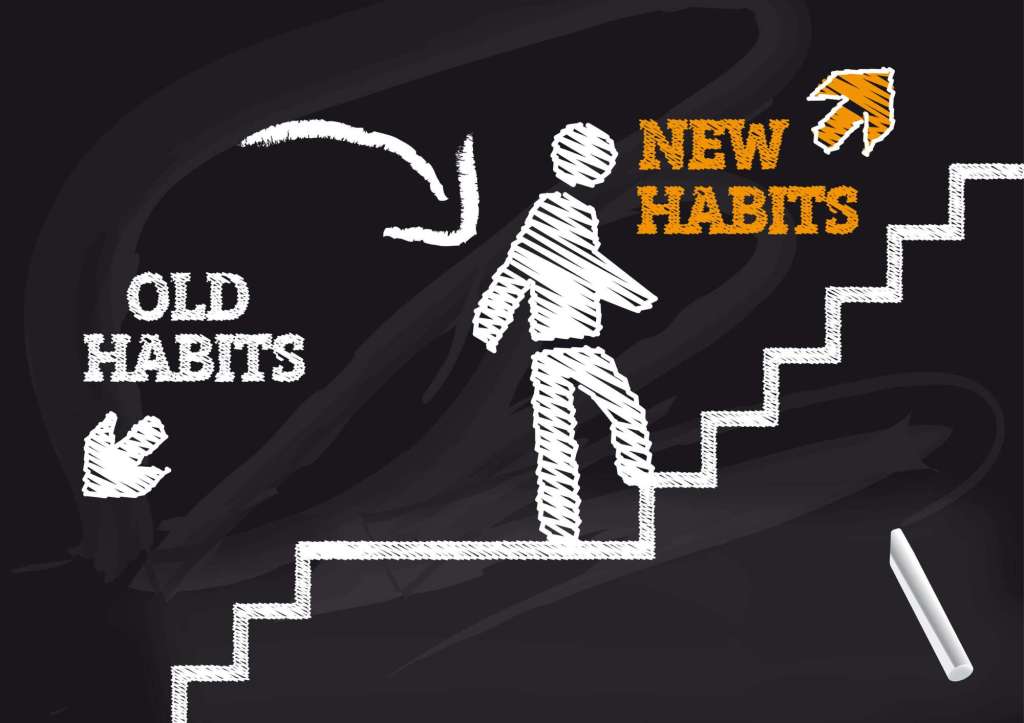
Habits are the building blocks of our daily lives. We often underestimate how much our habits shape us, either leading us toward our goals or away from them. In Atomic Habits, James Clear provides a comprehensive framework for building good habits and breaking bad ones, emphasizing the power of small, consistent changes over time. This blog post will break down key lessons from the book and provide actionable guidelines to help you reshape your habits for long-term success.

Key Lessons from Atomic Habits

1. The Power of Compound Growth

One of the most impactful concepts in Atomic Habits is the idea that small habits, when repeated daily, compound over time. Clear suggests that if you improve by just 1% every day, the cumulative effect will be staggering over a year. The key to success lies not in massive, immediate changes, but in consistently small improvements.

Lesson: Focus on making tiny adjustments rather than overhauling your life. A 1% improvement each day compounds into something much greater over time.

2. The Four Laws of Behavior Change

Clear outlines four essential laws to successfully build good habits and break bad ones:

Make It Obvious

Make It Attractive

Make It Easy

Make It Satisfying

These principles guide us in understanding why we engage in certain behaviors and how to either reinforce or weaken them. For bad habits, the inverse laws apply: make it invisible, unattractive, difficult, and unsatisfying.

Building Good Habits: Step-by-Step Guide

1. Start with Identity-Based Habits

One of the most profound insights from Atomic Habits is the idea that lasting change comes from shifting your identity, not just your outcomes. Instead of focusing on the habit itself (e.g., “I want to run a marathon”), focus on becoming the type of person who does that habit (e.g., “I am a runner”).

Action Step:

When setting a new goal, ask yourself, “Who is the type of person that achieves this?” For example, if you want to eat healthier, focus on becoming someone who values good nutrition.

2. Design Your Environment for Success

Our environment plays a significant role in shaping our behavior. If you want to build good habits, it’s essential to structure your surroundings in a way that supports them.

Action Step:

Make the cues for your desired habits more obvious. For example, if you want to read more, leave a book on your pillow, so it’s the first thing you see before bed. If you want to drink more water, place a water bottle on your desk or beside you all day.

3. Use Habit Stacking

Habit stacking involves pairing a new habit with an existing one. This works because your current habits act as triggers for new behaviors. By linking a new habit to an already-established routine, you’re more likely to follow through.

Action Step:

Find an established habit in your routine and “stack” a new one onto it. For example, if you already brew coffee every morning, pair it with a new habit, such as journaling for 5 minutes. The formula to follow is: “After [current habit], I will [new habit].”

4. Start Small and Make It Easy

Clear emphasizes the importance of starting with habits that are so easy, you can’t say no. By lowering the barrier to entry, you increase the likelihood of sticking with the habit. Consistency is more important than intensity in the early stages.

Action Step:

Set a goal that’s ridiculously easy to achieve. If you want to start a workout routine, begin with just 2 minutes a day. Once the habit is established, you can gradually scale up the intensity.

5. Use Immediate Rewards

Our brains are wired to seek immediate gratification, which is why long-term goals often fail to motivate us. Instead of waiting for distant rewards, attach an immediate reward to your new habits to reinforce them.

Action Step:

After completing a small habit, reward yourself with something enjoyable. For example, after exercising, allow yourself to watch an episode of your favorite TV show.

Breaking Bad Habits: Step-by-Step Guide

1. Make the Bad Habit Invisible

If a habit isn’t triggered, it won’t happen. By removing cues from your environment, you can significantly reduce the likelihood of falling back into a bad habit.

Action Step:

Identify the triggers that lead to your bad habit and remove them from your environment. If you want to stop eating junk food, keep it out of your house. If you want to reduce phone usage, leave it in another room when working or sleeping.

2. Make It Unattractive

If you can change how you view a bad habit, you’ll be less likely to engage in it. Focus on reframing your mindset and associating the habit with negative outcomes.

Action Step:

Highlight the downsides of the bad habit. For example, if you want to quit smoking, constantly remind yourself of the health risks and money you’re wasting.

3. Make It Difficult

Increase the friction required to perform the bad habit. The more effort it takes, the less likely you’ll do it.

Action Step:

Add obstacles to your bad habit. For example, if you want to limit social media, log out of your accounts and delete the apps from your phone. Now, every time you want to check social media, you have to log in manually, making it less convenient.

4. Make It Unsatisfying

If there are no negative consequences for a bad habit, you’re more likely to continue it. By creating a system of accountability, you introduce a layer of dissatisfaction or cost when you engage in the bad habit.

Action Step:

Use an accountability partner or set up a punishment system. For example, if you fail to stick to your new habit, you have to donate money to a cause you dislike or lose privileges you enjoy.

The Secret to Long-Term Success: Focus on Systems, Not Goals

While goals are essential for setting direction, Atomic Habits argues that it’s your systems—the daily habits—that determine whether you succeed. If you focus solely on the outcome, you’ll lose motivation once you hit your target. Instead, build systems that consistently lead to your desired outcome, and the results will follow naturally.

Final Thought:

The most successful people aren’t the ones who have willpower made of steel—they’re the ones who design their environment, routines, and systems to make good habits automatic and bad habits nearly impossible. Following the principles of Atomic Habits will not only help you improve your daily life but also lead to significant transformations over time.

Key Takeaway: Small habits, repeated consistently, have the power to compound and create profound change. Whether you’re building a good habit or breaking a bad one, start with tiny steps, make the process easy, and most importantly, focus on becoming the person who embodies the habits you want.


Business & Work, Personal Development

The Importance of Designing Your Workplace and Living Space for Wellbeing and Productivity

In our fast-paced world, where the boundaries between work and life are increasingly blurred, the environments we inhabit—whether at home or in the office—play a crucial role in shaping our wellbeing and productivity. The spaces we live and work in can either support or hinder our ability to thrive, making intentional design not just a luxury but a necessity. This blog post explores why designing your workplace and living space to boost your wellbeing and productivity is essential and offers practical tips to help you get started.

The Impact of Environment on Wellbeing

Our environment has a profound effect on our mental and physical health. Numerous studies have shown that the design of our living and working spaces can influence everything from our mood and stress levels to our overall sense of wellbeing. Here’s how:

1. Natural Light: Exposure to natural light is vital for regulating our circadian rhythms, which govern our sleep-wake cycles. Natural light also boosts serotonin levels, which improves mood and energy levels. Ensuring that your workspace or living area has ample natural light can make a significant difference in how you feel and function throughout the day.

2. Air Quality: Poor air quality can lead to headaches, fatigue, and respiratory problems, all of which can sap your energy and productivity. Incorporating plants into your environment can improve air quality and add a sense of tranquility to your space.

3. Color and Aesthetics: The colors and decor of your environment can affect your emotions and productivity. For example, blue is often associated with calmness and focus, while yellow can stimulate creativity. By choosing colors that align with the purpose of the space, you can enhance your overall experience.

4. Organization and Clutter: A cluttered space can lead to a cluttered mind. Organizing your living and working spaces can reduce stress and increase your ability to focus. Incorporating storage solutions and keeping surfaces clear can help create a more serene and productive environment.

Designing for Productivity

Productivity is not just about getting more done; it’s about getting the right things done efficiently and effectively. The design of your workspace plays a crucial role in this:

1. Ergonomics: Investing in ergonomic furniture that supports good posture is essential for long-term productivity and health. A well-designed chair, a desk at the right height, and proper monitor placement can prevent strain and injuries, allowing you to work more comfortably and for longer periods.

2. Zoning: Creating distinct zones for different activities can help you maintain focus. For example, having a dedicated area for work, another for relaxation, and yet another for exercise can help your brain switch gears more effectively, boosting both productivity and wellbeing.

3. Minimalism: Adopting a minimalist approach to your workspace can help reduce distractions and improve focus. Keep only essential items on your desk and store the rest away to create a clean, calming environment that fosters concentration.

4. Personalization: While minimalism is important, so is personalization. Adding personal touches like family photos, artwork, or favorite books can make your workspace feel more inviting and less sterile. The key is to strike a balance between personalization and clutter.

The Role of Technology

Technology can either enhance or detract from your productivity and wellbeing, depending on how it’s integrated into your environment:

1. Smart Lighting: Smart lighting systems can adjust the brightness and color temperature throughout the day to match natural light patterns, helping to regulate your energy levels and reduce eye strain.

2. Noise Control: Noise-canceling headphones or white noise machines can help mitigate distracting sounds, allowing you to focus better. Alternatively, playing soft background music can create a calming atmosphere that enhances concentration.

3. Productivity Tools: Using digital tools to manage your time and tasks can help you stay organized and focused. Apps that track your work habits can provide insights into how you can improve your productivity and work-life balance.

Designing Your Living Space for Wellbeing

While your workspace is critical for productivity, your living space is where you recharge. Designing it with wellbeing in mind can help you relax and recover more effectively:

1. Comfort and Coziness: Soft lighting, comfortable furniture, and warm colors can create a sense of comfort and coziness, making your home a sanctuary where you can unwind after a long day.

2. Connection to Nature: Bringing elements of nature into your home, such as plants, natural materials, and outdoor views, can reduce stress and promote a sense of peace and tranquility.

3. Sleep Environment: Your bedroom should be designed to promote restful sleep. This includes using blackout curtains, choosing a comfortable mattress, and maintaining a cool temperature. A good night’s sleep is foundational to both wellbeing and productivity.

4. Declutter Regularly: Just as in your workspace, keeping your living space organized and clutter-free can help you relax and feel more in control of your environment. Regularly decluttering can prevent the accumulation of unnecessary items that can contribute to stress.

Designing your workplace and living space to boost wellbeing and productivity is not just about aesthetics; it’s about creating environments that support your health, happiness, and success. By paying attention to factors like natural light, ergonomics, air quality, and organization, you can create spaces that not only look good but also feel good to live and work in. Whether you’re redesigning a home office, a living room, or an entire house, the time and effort invested in thoughtful design will pay off in better mental and physical health, improved focus, and a greater sense of overall wellbeing.

Business & Work

The Power of Social Media in Promoting Your Business

In today’s digital age, social media has emerged as one of the most powerful tools for businesses, transforming the way entrepreneurs promote their brands, connect with customers, and drive sales. Whether you’re a seasoned business owner or a budding entrepreneur, harnessing the power of social media can be the key to your success. This blog post explores how social media can elevate your business and offers strategies on how to use it effectively.

The Impact of Social Media on Business Growth

1. Massive Reach: Social media platforms like Facebook, Instagram, Twitter, LinkedIn, and TikTok have billions of active users combined. This vast audience allows businesses of all sizes to reach potential customers worldwide. Unlike traditional marketing, which often has geographical limitations, social media breaks down those barriers, enabling global engagement.

2. Cost-Effective Marketing: One of the biggest advantages of social media is its cost-effectiveness. Setting up profiles on most platforms is free, and even paid advertising is often more affordable than traditional media. With precise targeting options, you can ensure that your marketing budget is spent efficiently, reaching the right audience at the right time.

3. Enhanced Customer Engagement: Social media is not just a broadcasting tool; it’s a two-way communication channel. Businesses can engage with their customers directly, responding to inquiries, addressing concerns, and building relationships. This engagement fosters customer loyalty and creates a sense of community around your brand.

4. Brand Awareness and Authority: Regularly sharing content, whether it’s blog posts, videos, or infographics, helps establish your brand as an authority in your industry. The more valuable content you provide, the more likely customers are to trust your expertise and choose your products or services.

5. Real-Time Feedback: Social media allows businesses to receive immediate feedback on their products, services, and marketing campaigns. This feedback is invaluable for making quick adjustments, improving offerings, and staying in tune with customer needs and preferences.

Strategies for Entrepreneurs to Leverage Social Media

1. Identify the Right Platforms: Not all social media platforms are created equal. Identify where your target audience spends their time. For instance, Instagram and TikTok are great for visually appealing products, while LinkedIn is ideal for B2B marketing. Focus your efforts on the platforms that align with your audience and business goals.

2. Develop a Content Strategy: Consistency is key in social media marketing. Develop a content calendar that outlines what you will post, when, and on which platforms. Your content should be a mix of promotional posts, educational content, and engagement-driven posts like polls or questions. High-quality visuals, compelling copy, and storytelling are crucial to capturing attention.

3. Leverage Paid Advertising: While organic reach is valuable, paid social media advertising can amplify your efforts. Platforms like Facebook and Instagram offer detailed targeting options, allowing you to reach specific demographics, interests, and behaviors. Start with a small budget, experiment with different ads, and optimize based on performance.

4. Engage with Your Audience: Social media is about building relationships. Respond to comments, share user-generated content, and engage with followers regularly. This interaction shows that your brand is approachable and values its customers, which can lead to increased loyalty and word-of-mouth referrals.

5. Use Analytics to Optimize: Social media platforms provide a wealth of data on how your content is performing. Use these analytics to understand what works and what doesn’t. Monitor key metrics like engagement rates, reach, and conversion rates, and adjust your strategy accordingly.

6. Collaborate with Influencers: Influencer marketing is a powerful way to reach new audiences. Partnering with influencers who align with your brand can provide credibility and expose your products to their followers. Choose influencers whose values and audience match your own for the best results.

7. Stay Updated on Trends: Social media trends evolve rapidly. Stay informed about the latest features, algorithms, and trends on each platform. Whether it’s the rise of short-form video content or the increasing importance of social commerce, adapting to these changes can keep your brand relevant and competitive.

The power of social media in promoting your business cannot be overstated. It offers unparalleled opportunities for reach, engagement, and growth at a fraction of the cost of traditional marketing methods. For entrepreneurs, effectively leveraging social media is not just an option; it’s a necessity in today’s digital landscape.

By understanding your audience, creating a solid content strategy, and engaging consistently, you can harness the full potential of social media to boost your business’s visibility and sales. Whether you’re launching a startup or expanding an existing business, social media is the bridge that connects your brand to a global audience, driving success in the modern marketplace.

Business & Work

A Step-by-Step Guide to Planning your Day from Start to Finish

In the hustle and bustle of modern life, effective daily planning can make the difference between feeling overwhelmed and achieving your goals with ease. Whether you’re a student, a professional, or a busy parent, structuring your day thoughtfully can help you maximize productivity and find balance. Here’s a comprehensive guide to planning your day from start to finish.

1. Start the Night Before

Reflect and Prepare

Review Your Day: Take a few minutes each evening to reflect on what you accomplished. Note any tasks that weren’t completed and need to be carried over to the next day.

Set Priorities: Identify the top three tasks that must be accomplished tomorrow. This helps you hit the ground running in the morning.

Prepare Materials: Gather any documents, tools, or materials you’ll need. This prevents scrambling in the morning and sets a calm tone for the day ahead.

2. Morning Routine

Rise and Shine

Wake Up Early: Giving yourself an extra hour in the morning can provide a peaceful start and allow for personal time before the day’s demands take over.

Hydrate and Nourish: Start with a glass of water to kickstart your metabolism. Follow with a healthy breakfast to fuel your body and mind.

Mindfulness and Exercise: Incorporate meditation, stretching, or a quick workout to awaken your body and mind. This sets a positive tone and boosts your energy.

3. Plan Your Day

Detailed Scheduling

Create a To-Do List: Break down your top three tasks into smaller, manageable steps. Include deadlines and time estimates for each task.

Time Blocking: Allocate specific time slots for each task. This not only helps in staying focused but also ensures that all essential tasks get their due time.

Buffer Time: Include short breaks and buffer periods between tasks to accommodate any unforeseen delays and to rest.

4. Work Smart

Focused Productivity

Prioritize Tasks: Start with the most critical or challenging task when your energy levels are highest. This is often referred to as “eating the frog.”

Limit Distractions: Turn off non-essential notifications, close unnecessary tabs, and create a dedicated workspace to maintain focus.

Use the Pomodoro Technique: Work in focused intervals (usually 25 minutes) followed by a short break. This method enhances concentration and prevents burnout.

5. Midday Adjustments

Stay Flexible

Review Progress: At lunchtime, take a few minutes to review what you’ve accomplished so far. Adjust your to-do list if necessary.

Re-energize: Have a nutritious lunch, take a walk, or engage in a quick activity that refreshes you for the afternoon.

6. Afternoon Focus

Continue the Momentum

Handle Smaller Tasks: As energy levels dip in the afternoon, focus on less demanding tasks such as responding to emails, organizing your workspace, or planning ahead.

Check Off Completed Tasks: This gives a sense of accomplishment and motivates you to keep going.

7. Evening Wrap-Up

Wind Down

Review and Reflect: Evaluate what you’ve achieved during the day. Celebrate your wins, however small, and acknowledge areas for improvement.

Prepare for Tomorrow: Transfer any incomplete tasks to the next day’s list. Set your priorities for tomorrow and prepare your materials.

8. Personal Time and Relaxation

Unwind and Recharge

Disconnect: Spend the last hour before bed away from screens to allow your mind to unwind. Engage in relaxing activities such as reading, meditating, or spending quality time with loved ones.

Sleep Routine: Aim for 7-9 hours of sleep. A consistent sleep schedule enhances your overall health and productivity.

Planning your day meticulously from start to finish can transform your productivity and well-being. By incorporating these steps into your routine, you can manage your time more effectively, reduce stress, and achieve a greater sense of fulfillment. Remember, consistency is key. Start small, stay committed, and watch how these changes can make a significant impact on your daily life.

Personal Development

Key Steps and Guidelines for Enhancing Life Satisfaction

In today’s fast-paced world, achieving a sense of life satisfaction can often seem elusive. However, by taking deliberate steps and following specific guidelines, you can significantly improve your overall sense of well-being and fulfillment. Here are some actionable steps to help you on this journey.

1. Cultivate a Positive Mindset

Gratitude Practice: Start each day by listing three things you’re grateful for. This simple act can shift your focus from what’s lacking to what’s abundant in your life.

Positive Affirmations: Use affirmations to reinforce a positive self-image and outlook. Phrases like “I am capable,” “I am worthy,” and “I can achieve my goals” can bolster your confidence and motivation.

2. Set Meaningful Goals

Identify Your Values: Understand what truly matters to you. Aligning your goals with your core values ensures that your efforts are fulfilling and meaningful.

SMART Goals: Set Specific, Measurable, Achievable, Relevant, and Time-bound goals. This approach makes it easier to track your progress and stay motivated.

3. Build Strong Relationships

Nurture Connections: Invest time in relationships that matter. Regularly reach out to family and friends, and make an effort to strengthen these bonds.

Community Involvement: Engage in community activities or join groups with shared interests. This fosters a sense of belonging and support.

4. Prioritize Physical Health

Regular Exercise: Incorporate physical activity into your daily routine. Exercise not only boosts your physical health but also improves mental well-being by reducing stress and anxiety.

Healthy Eating: Maintain a balanced diet rich in nutrients. Proper nutrition fuels your body and mind, enhancing your overall vitality and mood.

5. Develop Emotional Resilience

Mindfulness and Meditation: Practice mindfulness to stay present and reduce stress. Meditation can help you manage emotions and cultivate inner peace.

Seek Support: Don’t hesitate to seek professional help when needed. Therapists and counselors can provide valuable tools to navigate life’s challenges.

6. Engage in Continuous Learning

Lifelong Learning: Pursue new skills and knowledge. Whether it’s taking up a new hobby, learning a language, or advancing your career skills, continuous learning keeps your mind sharp and engaged.

Stay Curious: Embrace curiosity and explore new experiences. This openness can lead to personal growth and unexpected opportunities.

7. Manage Your Finances Wisely

Budgeting: Create a budget to track your income and expenses. Financial stability reduces stress and allows you to focus on other aspects of your life.

Save and Invest: Develop a habit of saving and consider investing for the future. This ensures long-term security and peace of mind.

8. Find Purpose and Passion

Identify Your Passion: Discover activities that ignite your passion. Engaging in work or hobbies that you love brings joy and fulfillment.

Volunteer: Volunteering for causes you care about can provide a sense of purpose and connect you with like-minded individuals.

9. Create a Balanced Lifestyle

Work-Life Balance: Strive for a balance between work and personal life. Set boundaries to ensure that work doesn’t overshadow other important aspects of your life.

Leisure Time: Make time for relaxation and leisure activities. Whether it’s reading, hiking, or simply enjoying a quiet moment, leisure time is crucial for recharging.

10. Reflect and Adapt

Regular Reflection: Periodically reflect on your life and satisfaction levels. Identify areas for improvement and celebrate your successes.

Adaptability: Be open to change and adaptable in the face of new circumstances. Flexibility helps you navigate life’s ups and downs with resilience.

Improving life satisfaction is a continuous journey that involves intentional actions and mindful practices. By following these steps and guidelines, you can enhance your overall well-being, leading to a more fulfilled and contented life. Remember, small, consistent efforts often lead to the most significant changes.