
Business & Work

Top Trends to Watch in 2025

As we move into 2025, the world is poised for major shifts across industries, technology, and society. From AI-driven automation to breakthroughs in sustainability, here are the key trends shaping the year ahead.

1. AI-Powered Everything

Artificial Intelligence is no longer a novelty—it’s becoming a necessity. In 2025, expect AI to go beyond chatbots and virtual assistants. AI-driven automation will streamline businesses, revolutionize content creation, and enhance personalized experiences across industries. Generative AI will continue improving, helping professionals in fields like healthcare, finance, and marketing optimize their work at unprecedented levels.

2. Hyper-Personalization in Consumer Experiences

The days of one-size-fits-all marketing are over. With advanced AI, brands will tailor products, ads, and services to individual preferences in real-time. From personalized online shopping experiences to AI-curated entertainment and dynamic pricing models, companies will use data-driven insights to offer hyper-customized solutions.

3. The Evolution of Work: Hybrid & AI-Augmented Jobs

Remote work is here to stay, but with a twist. Companies are moving towards a hybrid work model, blending in-office collaboration with flexible remote options. Meanwhile, AI-powered tools are augmenting human jobs rather than replacing them, automating repetitive tasks and enhancing productivity. Upskilling and AI literacy will be crucial for employees to stay competitive in the workforce.

4. Blockchain Beyond Crypto

Blockchain technology is expanding beyond cryptocurrencies. In 2025, expect blockchain to be integrated into supply chain management, digital identity verification, and secure voting systems. With increased concerns over cybersecurity and data privacy, blockchain’s transparency and security will be more valuable than ever.

5. Sustainable Tech & Green Innovations

Sustainability is not just a buzzword anymore—it’s a business imperative. Innovations in renewable energy, carbon capture, and sustainable AI are driving the green revolution. From biodegradable electronics to net-zero emission buildings, companies are investing heavily in eco-friendly solutions. Expect electric vehicles (EVs) to become even more affordable and mainstream, with solid-state battery advancements increasing their efficiency.

6. The Metaverse Grows Up

While the metaverse hype has cooled down, it’s evolving into a practical tool for education, remote work, and social interactions. Expect businesses to use virtual environments for employee training, virtual meetings, and immersive customer experiences. With augmented reality (AR) and virtual reality (VR) innovations, the metaverse will be more user-friendly and accessible than ever.

7. Biotech & Longevity Breakthroughs

The intersection of AI and biotechnology is accelerating medical advancements. Personalized medicine, gene editing (CRISPR), and AI-driven drug discovery are leading to new treatments for previously incurable diseases. In the field of longevity, expect an increased focus on anti-aging research, regenerative medicine, and biohacking, with scientists aiming to extend human lifespan and quality of life.

8. Quantum Computing Enters Practical Use

While still in its early stages, quantum computing is inching closer to real-world applications. Industries like finance, logistics, and pharmaceuticals will see early adoption, as quantum computers begin solving complex problems that were previously impossible for traditional computers. Major players like Google, IBM, and startups in the field will push the technology forward.

9. 5G & the Rise of 6G

5G adoption is expanding globally, enabling faster internet speeds, smart cities, and more advanced IoT applications. Meanwhile, early discussions on 6G are gaining traction, promising even greater connectivity and ultra-low latency for industries like autonomous driving, telemedicine, and AI-powered robotics.

10. The Rebirth of Space Exploration

Space travel is no longer just a government effort—private companies like SpaceX, Blue Origin, and others are making commercial space tourism a reality. In 2025, we will see more moon missions, Mars exploration progress, and even plans for asteroid mining. The space industry is growing rapidly, with new innovations making interplanetary travel more feasible.

The Year of Transformation

2025 is set to be a transformative year, with technological advancements shaping the way we live, work, and interact with the world. Whether it’s AI-driven automation, sustainability innovations, or the evolution of quantum computing, staying ahead of these trends will be crucial for individuals and businesses alike. The future is closer than we think—are you ready for it?

Business & Work

Germany’s Election Shakes Up Europe: What It Means for the World

Friedrich Merz, Christian Democratic Union (CDU) party candidate for chancellor, speaks at a final rally in Munich beer hall, Germany February 22, 2025. REUTERS/Angelika Warmuth

Germany’s Election Shakes Up Europe: What It Means for the World

Germany’s latest election results have upended the country’s political landscape, paving the way for a center-right government with strong centrist compromises. As coalition talks unfold, the decisions made in Berlin will ripple across Europe, the United States, and the global order. With Friedrich Merz’s CDU/CSU winning 28.5%, a coalition was inevitable. The most likely outcome is a Kenya coalition (CDU/CSU + SPD + Greens), securing a majority of 56.5% and blocking the far-right AfD from any influence. But what does this mean for Germany’s future and its global role?

A New Government: Stability, but at a Cost

Germany’s most realistic coalition—CDU/CSU + SPD + Greens (Kenya Coalition)—ensures that Friedrich Merz becomes chancellor, leading a moderate, pro-European government that balances conservative fiscal policies with social and environmental compromises to satisfy the SPD and Greens.

What This Means for Germany:

1- Political Stability – The Kenya coalition provides a stable majority, preventing political deadlock.

2- Economic Conservatism – The CDU/CSU will focus on budget discipline, business-friendly policies, and reducing bureaucracy.

3- Climate Policies Will Continue – The Greens will push for a strong environmental agenda, likely securing key ministries related to energy and infrastructure.

4- Social Spending Won’t Disappear – The SPD will resist deep cuts to welfare, pensions, and healthcare.

5- Coalition Tensions Ahead – The CDU’s economic agenda may clash with the SPD and Greens’ social priorities, making compromises necessary.

While the coalition prevents a political crisis, it doesn’t reflect a clear mandate for change, as voters remain deeply divided on issues like immigration, defense, and economic reforms.

What This Means for Europe

A More Independent Europe?

Friedrich Merz has long advocated for a stronger, more self-reliant Europe, reducing dependence on the U.S. for security and economic stability. While Germany will remain committed to the EU and NATO, expect a push for European strategic autonomy, particularly in:

1- Defense Spending – Germany may support a stronger EU military presence alongside NATO.

2- Energy Independence – Expect policies that reduce reliance on Russian gas while accelerating Germany’s transition to renewables.

3- Tougher Economic Rules – The CDU’s economic conservatism means Germany may resist EU-wide debt-sharing or excessive financial aid programs.

Germany’s Role in the EU Power Struggle

With France’s Emmanuel Macron pushing for deeper European integration and Italy’s right-wing government favoring national sovereignty, Germany’s new government could be the deciding force in shaping the EU’s future.

1- More Distance from France? While Scholz was closely aligned with Macron, Merz may pursue a more business-focused relationship with other EU states, particularly Nordic and Eastern European economies.

2- Stronger Ties With Eastern Europe – Germany will likely strengthen its alliances with Poland, the Baltics, and Scandinavian countries, especially in security matters related to Russia.

Overall, expect a Germany that remains deeply embedded in the EU but with a stronger focus on financial discipline and national interests rather than sweeping integration.

Germany-U.S. Relations: A Shift Away from Washington?

Germany’s relationship with the U.S. will remain strong, but subtle shifts in priorities could emerge under Merz’s leadership.

Defense and NATO: More European Control?

While Scholz maintained strong U.S. ties—especially on Ukraine—Merz has signaled a desire for Europe to handle more of its own security affairs. This could mean:

1- Higher German Defense Spending – Germany will continue increasing its military budget, but with a focus on European-led defense initiatives.

2- Less Reliance on U.S. Troops – While American military bases in Germany won’t disappear, Merz may support greater European coordination on defense instead of fully depending on NATO.

Economic Policy: Trade Will Stay Strong

1- Germany remains the U.S.’s biggest European trading partner, and this won’t change.

2- Expect continued collaboration on green energy, semiconductor manufacturing, and industrial supply chains.

3- Germany may resist U.S. efforts to “decouple” from China, as many German industries rely on Chinese markets.

Ukraine Policy: Continued Support, With Limits

1- Germany will continue backing Ukraine against Russia, but the new government could be more cautious about long-term military aid.

2- Merz will likely demand clearer U.S. strategy on Ukraine before committing additional weapons or financial assistance.

3- Germany may push for a diplomatic track alongside military aid, seeking long-term solutions rather than an indefinite proxy war.

4- Expect Germany and the U.S. to remain close allies, but with a more independent-minded Berlin that won’t always follow Washington’s lead.

Global Impact: The AfD’s Rise and the Populist Wave

One of the most alarming results of the election is the AfD’s rise to 20.8%, making them the second-largest party in Germany. While mainstream parties have excluded them from coalition talks, their strong performance mirrors a larger trend of rising right-wing populism across Europe.

1- France’s 2027 Election Could See a Far-Right Victory – Marine Le Pen’s National Rally is polling strongly.

2- Italy’s Giorgia Meloni is Already Leading the EU’s Conservative Bloc – Germany’s shift may embolden her economic and immigration policies.

3- Eastern European Nationalism is Rising – Countries like Hungary and Poland may feel vindicated by Germany’s voter shift.

4- Even though the AfD is not in government, their influence will shape Germany’s policies, forcing the mainstream parties to adopt tougher stances on immigration and national security to prevent further voter defections.

Looking Ahead: What to Expect From Germany’s New Leadership

Germany’s election may not have produced radical change, but it reshapes European politics in critical ways. The Kenya coalition ensures stability but requires constant negotiation between conservatives, social democrats, and environmentalists.

Key Takeaways for the Future:

1- Germany will maintain strong EU leadership but with a greater focus on financial discipline and self-reliance.

2- U.S.-Germany relations remain strong, but expect Germany to push for more European control over defense matters.

3- Ukraine support continues, but with potential limitations as Germany demands a clearer Western strategy.

4- Climate policies will move forward, but economic conservatism may slow aggressive spending on green initiatives.

5- The far-right AfD is now a serious political force, even if they are kept out of government.

As Germany moves into a new political era under Friedrich Merz, the world will be watching closely to see how the country balances economic stability, security challenges, and its leadership role within Europe. Germany’s future is stable but uncertain, and its choices will shape the international order for years to come.

Personal Development

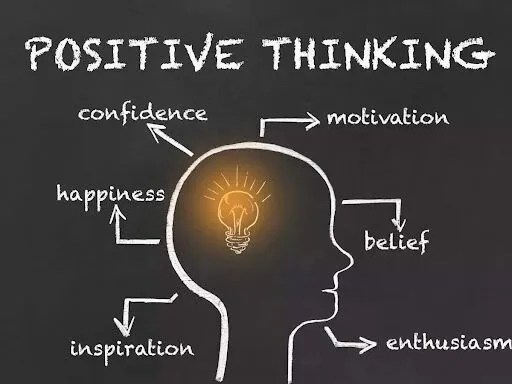
The Power of Positive Thinking: A Common Trait Among High Achievers

Positive thinking isn’t just a feel-good mantra; it’s a mindset that shapes success. High achievers across industries, from business to sports to science, consistently display optimism and resilience, allowing them to overcome obstacles and reach new heights. But what makes positivity such a powerful force? And why is it a defining trait among the world’s most successful individuals?

The Science Behind Positive Thinking

Research in psychology and neuroscience confirms that positive thinking enhances problem-solving skills, increases resilience, and improves overall health. A study by Barbara Fredrickson, a leading researcher in positive psychology, found that positive emotions expand cognitive flexibility, allowing individuals to think more creatively and find solutions faster. Another study from the Mayo Clinic suggests that optimists tend to live longer and have lower stress levels, leading to greater overall well-being.

High Achievers Who Embrace Positivity

Many of the world’s most successful people credit their achievements to a positive mindset. Here are a few well-known examples:

1. Elon Musk: Optimism in the Face of Failure

Elon Musk, the CEO of Tesla and SpaceX, has faced numerous challenges throughout his career. From Tesla’s near bankruptcy in 2008 to multiple failed rocket launches, Musk has encountered setbacks that would make most entrepreneurs quit. However, his unwavering belief in his vision kept him going. His optimism fueled SpaceX’s eventual success, including the historic partnership with NASA and the launch of reusable rockets.

2. Oprah Winfrey: Overcoming Adversity with Positivity

Oprah Winfrey’s story is a testament to the power of positive thinking. Born into poverty and facing numerous hardships in her early years, Oprah didn’t allow her past to define her future. She attributes much of her success to maintaining a strong, optimistic mindset, which helped her build a media empire and become one of the most influential women in the world. Her philosophy of gratitude and positive thinking continues to inspire millions.

3. Michael Jordan: Using Setbacks as Fuel

Michael Jordan, widely regarded as one of the greatest basketball players of all time, was famously cut from his high school basketball team. Instead of letting this setback define him, Jordan used it as motivation. His positive mindset and relentless work ethic turned him into a six-time NBA champion. He once said, “I can accept failure, everyone fails at something. But I can’t accept not trying.” His ability to focus on solutions rather than problems made him a legendary athlete.

How You Can Cultivate Positive Thinking

If high achievers use positivity to fuel their success, how can you develop a similar mindset? Here are a few strategies:

1. Reframe Negative Thoughts – Instead of focusing on failure, view challenges as learning experiences.

2. Practice Gratitude – Studies show that gratitude increases happiness and reduces stress.

3. Surround Yourself with Positive People – Energy is contagious. Being around optimistic individuals can reinforce a positive mindset.

4. Visualize Success – Many top performers use visualization techniques to mentally prepare for success before it happens.

5. Take Action Despite Fear – Optimists don’t wait for the perfect moment; they move forward with confidence.

Charge up

Positive thinking isn’t about ignoring reality; it’s about approaching life with a mindset that fosters resilience, creativity, and success. The world’s greatest achievers from Elon Musk to Oprah Winfrey, demonstrate that optimism isn’t just a feel-good philosophy; it’s a strategy for turning dreams into reality. By embracing positivity, you, too, can unlock your full potential and achieve greatness.

Business & Work, Personal Development

The Art of Managing a Busy Schedule Effectively

In today’s fast-paced world, balancing work, personal life, and self-improvement can feel like a never-ending challenge. Whether you’re an entrepreneur, a student, or a professional juggling multiple responsibilities, mastering the art of time management is essential. Here’s a practical guide to managing a busy schedule effectively without burning out.

1. Prioritize Ruthlessly

Not all tasks are created equal. To stay on top of your schedule, categorize your tasks using the Eisenhower Matrix:

• Urgent & Important – Do it now.

• Important but Not Urgent – Schedule it.

• Urgent but Not Important – Delegate it.

• Neither Urgent Nor Important – Eliminate it.

Focusing on high-priority tasks ensures that your time is spent where it matters most.

2. Time Blocking for Maximum Efficiency

Instead of reacting to tasks as they come, plan your day in dedicated time blocks. Allocate specific hours for deep work, meetings, personal development, and even breaks. By doing this, you minimize distractions and create a structured workflow.

3. The Power of Saying No

A busy schedule often gets out of control because of excessive commitments. Learn to say no to non-essential tasks, unproductive meetings, or social obligations that don’t align with your goals. Guard your time as your most valuable asset.

4. Leverage Technology for Productivity

Use apps and tools to automate and streamline your tasks:

• Calendar Management: Google Calendar, Outlook

• Task Tracking: Notion, Todoist, Trello

• Automation: Zapier, IFTTT

• Focus Tools: Pomodoro timers, website blockers (e.g., Freedom, Cold Turkey)

By outsourcing your mental load to technology, you free up more time for strategic thinking.

5. Batch Similar Tasks Together

Switching between different types of tasks can drain your energy and reduce efficiency. Instead, group similar tasks together:

• Respond to emails in a fixed time slot.

• Schedule all meetings back-to-back.

• Dedicate a single work session to creative tasks.

This approach reduces mental fatigue and keeps you in the flow.

6. Plan Ahead, Reflect Often

At the end of each day, take 10 minutes to plan the next day. Review what you accomplished, adjust priorities, and ensure nothing falls through the cracks. A weekly or monthly reflection also helps fine-tune your strategy for long-term success.

7. Make Time for Rest and Recovery

Productivity isn’t just about doing more—it’s about sustaining high performance over time. Schedule non-negotiable breaks, prioritize sleep, and incorporate activities that recharge you, such as exercise, meditation, or hobbies.

8. Master Delegation

If you’re managing multiple responsibilities, don’t try to do everything yourself. Delegate tasks to colleagues, assistants, or automation tools. Trusting others with responsibilities frees up your time for high-value work.

9. Limit Distractions and Set Boundaries

A chaotic environment leads to a chaotic schedule. Reduce distractions by:

• Setting clear work hours and boundaries.

• Turning off non-essential notifications.

• Using noise-canceling headphones or quiet spaces.

• Letting people know when you’re in “focus mode.”

Discipline is the key to maintaining an efficient workflow.

10. Adapt and Be Flexible

No schedule is perfect. Unexpected events will arise, and plans will change. The ability to adapt without losing focus is what separates highly effective individuals from overwhelmed ones. Have a system that allows flexibility without derailing your priorities.

Busy, busy, busy!

Managing a busy schedule is an art that requires constant refinement. By prioritizing effectively, leveraging time management techniques, and maintaining balance, you can achieve maximum productivity without burnout. Success isn’t about doing everything—it’s about doing the right things efficiently.

Stay disciplined, stay strategic, and most importantly, take control of your time!

Business & Work, Personal Development

The Power of Identity-Based Habits: A Lesson from Atomic Habits

James Clear’s Atomic Habits is one of the most influential books on personal development, offering a science-backed approach to building good habits and breaking bad ones. One of its most powerful lessons is the concept of identity-based habits—the idea that the key to lasting change isn’t just setting goals but shifting your identity.

Most people fail to stick with new habits because they focus solely on outcomes. They want to lose weight, save money, or read more books, but they don’t change the way they see themselves. Instead of saying, I want to lose weight, Clear suggests saying, I am a healthy person. This identity shift is what makes a habit stick in the long run.

Why Outcome-Based Habits Often Fail

Most people set goals based on their desired outcomes:

• “I want to lose 20 pounds.”

• “I want to run a marathon.”

• “I want to save $10,000.”

While these are great goals, they don’t necessarily lead to permanent behavior change. Why? Because they focus on whatyou want to achieve rather than who you want to become.

If your goal is to run a marathon, but you don’t see yourself as a runner, you’ll struggle to stay consistent when motivation fades. If you aim to save money but still view yourself as someone who’s bad with finances, your spending habits will eventually revert.

This is where identity-based habits come in. Instead of focusing on what you want to achieve, focus on the type of person you want to become.

Shifting to Identity-Based Habits

Clear explains that lasting change happens when we shift from outcome-based goals to identity-based habits. Here’s how that looks in practice:

• Outcome-Based Goal: “I want to read more books.”

• Identity-Based Habit: “I am a reader.”

• Outcome-Based Goal: “I want to exercise more.”

• Identity-Based Habit: “I am an active person.”

• Outcome-Based Goal: “I want to stop smoking.”

• Identity-Based Habit: “I am a non-smoker.”

The difference may seem subtle, but it’s transformational. By defining yourself as the person you want to be, every small action reinforces that identity, making it easier to stay consistent.

How to Apply Identity-Based Habits in Your Life

1. Decide Who You Want to Be

Instead of just setting a goal, define the kind of person who naturally achieves that goal. If you want to eat healthier, shift your mindset from I need to lose weight to I am someone who values my health.

Ask yourself:

• “Who is the kind of person that achieves this goal?”

• “What habits does that person have?”

If you want to become a runner, start thinking like one: What would a runner do today? Even if it’s just a five-minute jog, you are proving to yourself that you are now a runner.

2. Prove It to Yourself with Small Wins

Every action you take is a vote for the type of person you want to become. If you write a single sentence today, you have acted as a writer. If you choose water over soda, you’ve made a decision that aligns with a healthier identity.

It’s not about instant perfection, it’s about casting hundreds of small votes in favor of the person you want to become. Over time, these small wins reinforce your new identity.

3. Focus on the Process, Not Just the Outcome

Most people focus on the finish line—how much weight they want to lose or how much money they want to save. But real progress happens when you shift your focus to the process itself.

Instead of saying, I want to lose 20 pounds, focus on I am someone who exercises and eats nutritious food daily. This helps you stick with the habit long after you’ve hit the goal.

Similarly, instead of aiming to read 30 books this year, focus on being the type of person who reads every day. Even if you read just five pages, it reinforces your identity as a reader.

4. Avoid the Trap of “Fake Identities”

Becoming the person you want to be isn’t just about thinking differently—it’s about proving it through action. Many people claim a new identity but don’t back it up with consistent behavior.

For example, saying, I am a healthy person while eating junk food daily doesn’t create lasting change. You need to align your actions with your new identity. Every decision, no matter how small, should reinforce the person you are becoming.

The Long-Term Impact of Identity-Based Habits

When you shift your identity, habits become effortless. You no longer need to push yourself to go to the gym—you simply see yourself as someone who works out. You don’t have to force yourself to read—you naturally pick up books because that’s what a reader does.

Clear puts it this way:

“Every action is a vote for the type of person you wish to become.”

With enough votes, your new identity becomes ingrained. You no longer have to rely on willpower or motivation because your habits are a natural extension of who you are.

Your Identity and Your Habits

Your habits shape your identity, but your identity also shapes your habits. If you shift your focus from what you want to achieve to who you want to become, you create a self-reinforcing cycle of success.

Instead of chasing temporary results, build a system where your desired behaviors become second nature. When you embrace identity-based habits, success stops being about motivation or discipline, it simply becomes who you are.

So, who do you want to become?