
Personal Development

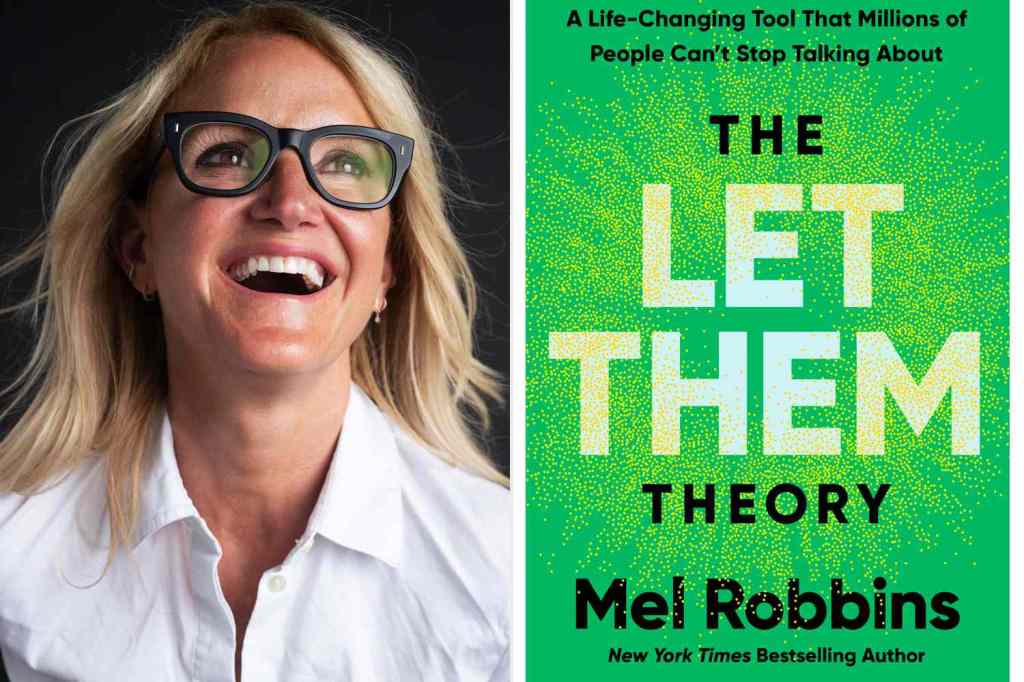
Unlocking Freedom with Mel Robbins’ New Book: The Let Them Theory

Mel Robbins, a renowned motivational speaker and author, has released her latest book, The Let Them Theory: A Life-Changing Tool That Millions of People Can’t Stop Talking About. This groundbreaking book introduces a powerful yet simple mindset shift encapsulated in just two words: “Let Them.” With this approach, Robbins encourages readers to release the exhausting habit of trying to control others’ opinions, actions, and judgments, allowing them to reclaim their time, energy, and happiness.

What Is The Let Them Theory?

At its core, The Let Them Theory is about acknowledging and accepting that we cannot control how others behave or feel. Whether it’s worrying about what others think, stressing over someone’s lack of support, or feeling frustrated by how people react to our choices, Robbins urges readers to embrace the mindset of simply letting them be. By shifting focus from external factors to internal well-being, individuals can cultivate a more peaceful and fulfilling life.

Robbins argues that by letting people be who they are, whether they judge, gossip, or have their own opinions, we free ourselves from unnecessary stress and anxiety. Instead of wasting energy trying to win people over or prove ourselves, we can redirect that energy towards self-improvement, personal growth, and the pursuit of goals that truly matter.

Key Takeaways from The Let Them Theory

In the book, Robbins provides science-backed, actionable strategies to help readers incorporate this mindset into their daily lives. Through relatable stories and practical advice, readers will learn:

How to stop seeking approval: Instead of chasing validation from others, The Let Them Theory helps individuals focus on self-acceptance and confidence.

Managing relationships more effectively: By letting others have their own opinions and making peace with differing perspectives, relationships become healthier and less stressful.

Letting go of unnecessary burdens: The book emphasizes the importance of detaching from things outside our control and focusing on what truly brings fulfillment and joy.

Embracing emotional freedom: Robbins’ theory encourages a liberating perspective that allows individuals to focus on their happiness, rather than being trapped by societal pressures and expectations.

The Impact and Popularity of the Book

Since its release, The Let Them Theory has received widespread praise and acclaim. It has topped bestseller lists, with record-breaking preorders reflecting the demand for practical, life-changing advice. Publications such as The Times have highlighted how Robbins’ insights resonate with people seeking to create a healthier relationship with themselves and others.

Social media platforms have also been buzzing with discussions and testimonials from readers who have found relief and clarity in adopting this mindset. Whether it’s dealing with work pressures, family expectations, or social relationships, the “Let Them” philosophy is providing people with a fresh perspective on life’s daily challenges.

Where to Get the Book

The Let Them Theory is available for purchase at major retailers, including Amazon, Barnes & Noble, and Target. Whether you’re looking to break free from people-pleasing tendencies or simply want to reduce stress in your relationships, this book offers practical tools to help you regain control of your life.

For a deeper dive into Robbins’ insights, readers can also check out her recent conversation with Jay Shetty, where she explains how the “Let Them” approach can be applied to daily life challenges.

Watch the full interview here: Mel Robbins on The Let Them Theory

Let them

Mel Robbins’ The Let Them Theory is more than just a book—it’s a movement toward personal freedom, self-empowerment, and inner peace. By adopting the mindset of letting people be who they are without feeling the need to control, influence, or change them, we can unlock a deeper sense of fulfillment and joy.

If you’re ready to stop stressing over things you can’t control and start focusing on your own happiness, The Let Them Theory is a must-read. Grab your copy today and start your journey to a more peaceful and empowered life.

Personal Development

Stay Healthy and Disease-Free This Winter

Winter brings chilly weather, cozy nights, and a host of challenges to our immune systems. The combination of colder temperatures, less sunlight, and increased time spent indoors can make us more susceptible to illnesses. However, with the right approach, you can boost your immunity, protect yourself from seasonal illnesses, and enjoy the winter season to the fullest. Here are some practical tips to help you stay healthy and disease-free during winter.

1. Boost Your Immune System with a Balanced Diet

A strong immune system starts with proper nutrition. Focus on consuming a variety of nutrient-rich foods:

Fruits and Vegetables: Include citrus fruits like oranges and grapefruits for vitamin C, as well as dark leafy greens and carrots for vitamin A.

Whole Grains and Lean Proteins: These provide energy and essential amino acids for body repair and immune function.

Healthy Fats: Nuts, seeds, and fatty fish like salmon are rich in omega-3s, which support overall health.

Hydration: Drink plenty of water, even if you don’t feel as thirsty. Herbal teas and warm soups are excellent winter options.

2. Stay Physically Active

It’s tempting to curl up on the couch during cold days, but regular exercise keeps your immune system robust and helps you manage stress. Consider:

• Indoor workouts like yoga or strength training.

• Outdoor activities such as brisk walks or jogging when weather permits. Dress in layers to stay warm and dry.

3. Prioritize Quality Sleep

Sleep is crucial for your body’s ability to fight infections. Aim for 7–9 hours of sleep per night, and establish a relaxing bedtime routine. If shorter daylight hours disrupt your sleep patterns, consider using blackout curtains or a white noise machine to create an ideal sleep environment.

4. Practice Proper Hygiene

Winter is flu season, so practicing good hygiene is essential:

• Wash your hands frequently with soap and water for at least 20 seconds.

• Avoid touching your face, especially your eyes, nose, and mouth, to reduce the spread of germs.

• Disinfect frequently touched surfaces like door handles, keyboards, and phones.

5. Protect Yourself from the Cold

Prolonged exposure to cold weather can lower your immune defenses. Stay warm by:

• Dressing in layers to trap body heat.

• Wearing a hat, scarf, and gloves to prevent heat loss from your head and extremities.

• Investing in waterproof shoes and warm socks to keep your feet dry and warm.

6. Get Vaccinated

Seasonal flu and other respiratory infections are common during winter. Protect yourself by getting vaccinated. The flu shot is especially important for individuals at higher risk, including the elderly, young children, and those with underlying health conditions.

7. Stay Social, but Stay Safe

While spending time with loved ones can boost mental health, be mindful of gatherings during peak illness seasons. If you’re feeling unwell, avoid close contact with others to prevent spreading germs. Virtual hangouts can be a great alternative when you or others are under the weather.

8. Consider Supplements

If your diet lacks certain nutrients, supplements like vitamin D (especially crucial in winter due to reduced sunlight) and zinc can support your immune health. Consult a healthcare provider before starting new supplements.

9. Manage Stress Levels

Chronic stress can weaken your immune system. Practice stress-reducing activities like mindfulness, meditation, or hobbies that bring you joy. Taking regular breaks from work and staying connected with supportive friends and family can also improve mental health.

10. Know When to Seek Help

If you experience persistent symptoms like a sore throat, fever, or fatigue, consult a healthcare provider. Early intervention can prevent more serious complications.

Winter doesn’t have to be synonymous with illness. By taking proactive steps to care for your body and mind, you can enjoy the season while staying healthy and disease-free. Start implementing these tips today to make the most of winter without worrying about your health.

Personal Development

Designing a Life of Growth: Too Busy for Negativity

In today’s world, negativity seems to be everywhere. From endless social media rants to daily news cycles focused on disasters and scandals, it’s easy to get sucked into a vortex of criticism and frustration. Many of us find ourselves wasting precious energy criticizing others, complaining about circumstances, or dwelling on what’s wrong. But what if you could design your life so intentionally that you simply don’t have time for negativity? Instead of reacting to the noise of the world, you’d focus all your energy on developing yourself and achieving your goals.

This isn’t just a strategy for personal growth—it’s a transformative way of living. Here’s why creating a purpose-driven life free from negativity is essential and how you can take steps to build it.

The Value of Purpose and Growth

When you focus on self-improvement and goal achievement, your life becomes filled with meaningful activities that leave no room for negativity. Negativity thrives on idle time and lack of direction, but when you’re immersed in purposeful work and personal development, there’s simply no space for it to grow.

1. Positive Momentum Builds Confidence and Self-Worth When you commit to achieving meaningful goals, every step forward strengthens your confidence and sense of purpose. Completing tasks, learning new skills, or making progress toward your aspirations creates a sense of accomplishment. This sense of self-worth leaves little room for self-doubt or comparing yourself to others. You become so focused on your journey that you stop worrying about what others are doing or saying.

2. Purpose is Energizing; Negativity is Draining Dwelling on negativity or engaging in criticism is mentally and emotionally exhausting. It offers no tangible rewards and only leaves you feeling depleted. In contrast, working toward meaningful goals energizes you. Whether you’re building a business, learning a new skill, or improving your health, purposeful activities fuel you with motivation and excitement.

3. Focus Replaces Distraction A life filled with intentionality naturally eliminates distractions. When your time is occupied by things that matter—like your career, education, relationships, or personal growth—you don’t have the mental bandwidth to engage in unproductive behaviors like criticizing others, gossiping, or complaining. Purposeful focus keeps your attention on what you can control and create.

4. Contribution Over Criticism When you dedicate yourself to building, improving, and contributing, your perspective shifts. You no longer see the world as something to judge or criticize; you see it as something to engage with and enhance. Whether you’re mentoring others, volunteering, or simply being a positive force in your community, contribution gives your life meaning and silences the urge to engage in negativity.

How to Build a Life Too Busy for Negativity

Designing a life so full of purpose that negativity has no place doesn’t happen by accident—it requires deliberate action and planning. Here’s how you can create it:

Clarify Your Vision and Goals Take the time to identify what matters most to you. What are your biggest dreams and priorities? Whether it’s building a career, improving your health, deepening relationships, or learning a new skill, knowing your goals will give you a clear sense of direction.

Plan and Structure Your Days Time is your most valuable resource. Schedule your days intentionally to align with your priorities. Start your morning with activities that set a positive tone, like exercise, meditation, or journaling. Fill your workday with tasks that move you closer to your goals, and reserve evenings for relaxation or personal growth. When your time is structured with intention, distractions like mindless scrolling or engaging in drama naturally fade away.

Surround Yourself with Growth-Oriented People The people you spend time with significantly impact your mindset. Surround yourself with individuals who inspire and challenge you, rather than those who dwell on negativity or bring others down. A supportive, growth-oriented circle will encourage you to stay focused on your goals and maintain a positive outlook.

Practice Gratitude Daily Gratitude is a powerful antidote to negativity. Take time each day to reflect on what you’re thankful for. This practice shifts your focus from what’s lacking to what’s thriving in your life, helping you maintain a constructive mindset.

Learn to Let Go of Unnecessary Criticism Criticizing others often stems from unresolved frustrations or insecurities. Instead of pointing out flaws, channel that energy into self-reflection and self-improvement. Ask yourself, “How can I grow from this situation?” This shift in perspective not only helps you grow but also strengthens your relationships with others.

Commit to Lifelong Learning and Growth Make personal development a cornerstone of your life. Whether it’s reading books, attending workshops, or practicing a skill, constantly learning keeps your mind engaged and your focus forward-looking. Growth leaves little space for dwelling on the past or engaging in unproductive thoughts.

Celebrate Progress and Embrace Challenges Celebrate small wins along the way to keep yourself motivated. Understand that challenges and setbacks are part of the growth process, not reasons to dwell in negativity. Learn from them and use them as stepping stones toward your goals.

The Transformational Impact of a Positive, Purposeful Life

Living a life so busy with growth and achievement that negativity has no room doesn’t mean ignoring the world’s problems or pretending challenges don’t exist. It means shifting your energy toward what you can control: your actions, your mindset, and your impact. This lifestyle is not only fulfilling but also inspiring to others. When you focus on building yourself, you become a role model, showing others what’s possible through dedication and positivity.

Negativity thrives on idleness and distraction. Purpose thrives on action and intention. By designing a life filled with meaningful activities and a relentless focus on personal growth, you can create a reality where negativity simply has no place. The result? A life of fulfillment, resilience, and lasting impact.

Personal Development

Motivation vs. Discipline: Understanding the Key to Long-Term Success

When pursuing any goal, whether personal, professional, or academic—two key forces come into play: motivation and discipline. While they are interconnected, they serve very different purposes. Many people think they can rely solely on motivation to achieve their dreams, but this belief often leads to disappointment. The truth is, motivation is a great starting point, but discipline is what carries you to the finish line. In this blog post, we’ll explore the differences between motivation and discipline, why they matter, and how you can harness both to stay on track and succeed.

What is Motivation?

Motivation is the spark that ignites your desire to take action. It’s the emotional drive that makes you excited to start something new. Think of the exhilaration you feel when you first decide to lose weight, learn a new skill, or start a project. That rush of excitement is motivation at work. Motivation comes in two main forms: intrinsic and extrinsic. Intrinsic motivation is driven by personal satisfaction or enjoyment, like learning a language because you love the culture. Extrinsic motivation, on the other hand, is fueled by external factors such as rewards, recognition, or avoiding punishment, like studying hard to pass an exam or get a promotion.

Motivation is powerful and can push you to make significant changes, but it’s fleeting. It’s easy to feel motivated when everything is going well, but what happens when the excitement fades or you encounter obstacles? That’s where discipline steps in.

What is Discipline?

Discipline is the consistent ability to take action, regardless of how you feel. Unlike motivation, which is emotional, discipline is logical and habitual. It’s waking up early to work on your goals even when you’re tired or don’t feel like it. Discipline is about commitment, self-control, and the willingness to do what’s necessary, even when it’s uncomfortable or inconvenient. Unlike motivation, discipline doesn’t depend on external or internal triggers. Instead, it relies on the systems and habits you’ve built. For example, if you’re trying to stay fit, discipline ensures you go to the gym on a rainy day or prepare healthy meals even when you’re tempted to order takeout.

How Are Motivation and Discipline Different?

Motivation and discipline often overlap, but their differences are crucial to understand. Motivation gets you excited to start something new, but discipline ensures you stick with it long enough to see results. Motivation is fleeting, influenced by mood and circumstances, while discipline is steady and consistent. Think of motivation as the burst of energy you feel when starting a race and discipline as the endurance that keeps you running until the finish line.

Why Both Are Essential for Long-Term Success

The interplay between motivation and discipline is essential for long-term success. For example, imagine you’re preparing for an important exam. Motivation might push you to create a study plan or buy materials, but only discipline will keep you reviewing notes daily and sticking to your schedule. Similarly, if you’re launching a business, motivation might inspire your initial vision and plans, but discipline will drive you to execute those plans, troubleshoot challenges, and show up even when the journey feels hard.

How to Cultivate Both Motivation and Discipline

Cultivating both motivation and discipline is essential. To harness motivation, find your “why.” Understanding the deeper purpose behind your goal can keep the fire burning, even when it dims. Celebrate small wins to stay inspired and acknowledge how far you’ve come. For discipline, build habits that make taking action automatic. Break big goals into smaller, manageable tasks and create a routine that supports consistency. When setbacks happen, focus on your commitment rather than waiting for the next surge of motivation.

The right mix

Motivation and discipline are not opposites but complementary tools that work together to help you achieve your dreams. Motivation fuels the start of your journey, giving you the emotional energy to envision your success. Discipline ensures that vision becomes a reality, guiding you through the tough times when enthusiasm alone isn’t enough. By embracing both, you can set yourself up for success, build lasting habits, and achieve even your most ambitious goals. Remember, motivation is what gets you started, but discipline is what keeps you going.

Personal Development

How to Write and Prepare Your New Year’s Resolutions

The start of a new year is the perfect time to reflect on the past and set intentions for the future. However, many New Year’s resolutions fail because they are vague, unrealistic, or lack a solid plan for execution. This guide will help you craft meaningful resolutions and create a framework to stick to them throughout the year.

Step 1: Reflect on the Past Year

Before setting new goals, take time to evaluate the past year:

Celebrate successes: Write down your accomplishments, no matter how small.

Acknowledge challenges: Identify areas where you struggled and think about what might have held you back.

Learn from experiences: Reflect on the lessons you’ve learned and how they can inform your goals for the upcoming year.

Step 2: Define Your Priorities

Not all goals are created equal. Start by determining what matters most to you:

Personal growth: Are there skills or habits you want to develop?

Health and well-being: Do you want to focus on physical fitness, mental health, or both?

Relationships: Are there connections you’d like to nurture or new ones to build?

Career or academics: What milestones or advancements do you want to achieve?

Step 3: Set SMART Goals

Use the SMART framework to make your resolutions actionable:

Specific: Clearly define what you want to achieve. Instead of “get healthy,” try “exercise three times a week.”

Measurable: Include metrics to track your progress. For example, “save $5,000 by December” is measurable.

Achievable: Be realistic about what you can accomplish given your current resources and circumstances.

Relevant: Ensure your goal aligns with your priorities and values.

Time-bound: Set a deadline to create urgency and structure.

Step 4: Break Down Goals into Steps

Large goals can feel overwhelming, so divide them into smaller, manageable tasks. For example:

• Goal: Write a book in 2024.

• Steps: Outline the chapters in January, write one chapter per month, and edit by November.

Step 5: Create a Support System

Accountability increases the likelihood of success. Share your goals with trusted friends or family members who can encourage you. Alternatively, join a group or community with similar goals, such as a fitness class or writing group.

Step 6: Use Tools to Stay Organized

Leverage tools to keep track of your progress:

Journals or planners: Write down your goals and track daily or weekly progress.

Apps: Use goal-setting apps like Habitica or Todoist to monitor habits and tasks.

Vision boards: Visualize your goals with images and affirmations to stay motivated.

Step 7: Monitor Progress and Adjust

Regularly review your resolutions and assess your progress:

• Set monthly or quarterly check-ins to evaluate how you’re doing.

• Be flexible. If a goal feels unattainable, adjust your approach or timeline instead of giving up.

Step 8: Reward Yourself

Celebrate milestones along the way to stay motivated. Rewards don’t have to be extravagant—a simple treat or a day off can reinforce your commitment to your goals.

Step 9: Embrace the Journey

Resolutions are not about perfection but progress. Even if you stumble, remember that each step forward is a step closer to success. Approach the process with patience, resilience, and a growth mindset.

As you prepare your New Year’s resolutions, focus on crafting meaningful, actionable goals that inspire you to become the best version of yourself. With reflection, planning, and commitment, you can turn your aspirations into achievements in the coming year. Happy New Year in advance!