
Blog

Personal Development

The Power of Positive Self-Talk and Rewiring Your Inner Dialogue for Success

We all have an internal dialogue that runs through our minds daily, influencing our emotions, actions, and ultimately, our lives. This internal conversation, often referred to as self-talk, plays a crucial role in shaping our perceptions of ourselves and the world around us. While many of us are aware of this inner voice, few fully grasp the power it holds—especially when it comes to personal development.

What is Positive Self-Talk?

Positive self-talk is the practice of consciously changing your internal dialogue to be more encouraging, supportive, and optimistic. It’s about replacing negative, self-defeating thoughts with affirming, constructive ones. This might sound simple, but the effects of cultivating a positive inner dialogue can be profound.

The Impact of Negative Self-Talk

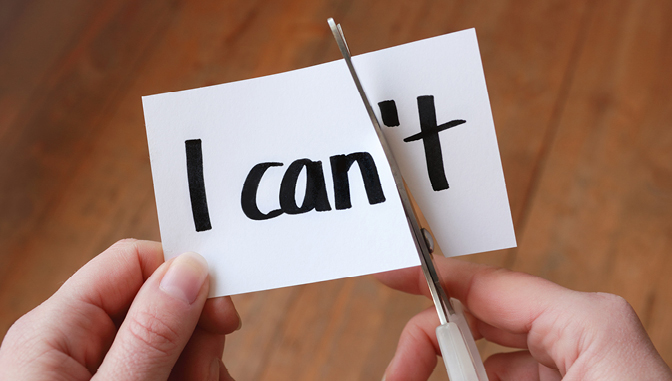
Before diving into the benefits of positive self-talk, it’s important to understand the impact of its negative counterpart. Negative self-talk often manifests as self-doubt, criticism, and a focus on perceived shortcomings. Over time, this can lead to a diminished sense of self-worth, increased stress, and a lack of motivation. The more we tell ourselves that we can’t achieve something or that we’re not good enough, the more likely we are to believe it—and act accordingly.

Rewiring Your Inner Dialogue

Transforming your self-talk from negative to positive doesn’t happen overnight, but it’s entirely possible with consistent effort. Here’s how you can start:

1. Become Aware of Your Thoughts: The first step in changing your self-talk is to become aware of it. Pay attention to the thoughts that cross your mind throughout the day, especially in challenging situations. Are they mostly negative or positive? Simply recognizing the patterns in your thinking is a powerful step toward change.

2. Challenge Negative Thoughts: When you catch yourself engaging in negative self-talk, challenge those thoughts. Ask yourself whether they’re based on facts or assumptions. Often, our negative thoughts are irrational or exaggerated, and questioning them can help you see things in a more balanced light.

3. Replace Negativity with Positivity: Once you’ve identified and challenged a negative thought, replace it with a positive one. For example, if you think, “I’ll never be able to do this,” counter it with, “This is challenging, but I can learn and improve with practice.” Over time, these positive affirmations will become second nature.

4. Practice Gratitude: Cultivating a mindset of gratitude is a powerful way to foster positive self-talk. Regularly take time to reflect on the things you’re grateful for, no matter how small. This shifts your focus from what’s lacking to what’s abundant in your life.

5. Surround Yourself with Positivity: The people and environment around you can significantly influence your self-talk. Surround yourself with supportive, positive individuals who uplift you, and engage in activities that make you feel good about yourself. This external positivity will naturally reinforce your internal dialogue.

The Benefits of Positive Self-Talk

So, what happens when you make positive self-talk a regular part of your life? The benefits are far-reaching:

Improved Mental Health: Positive self-talk can reduce stress, anxiety, and depression by fostering a more optimistic outlook on life. It helps you cope better with challenges and setbacks, maintaining a sense of calm and resilience.

Increased Self-Confidence: As you practice positive self-talk, you’ll begin to believe in yourself more. This boost in self-confidence can open doors to opportunities you might have previously shied away from.

Better Performance: Whether in your career, relationships, or personal goals, positive self-talk can enhance your performance. When you believe in your abilities and potential, you’re more likely to take action and persist in the face of challenges.

Stronger Relationships: Positive self-talk also impacts how you interact with others. When you feel good about yourself, you’re more likely to engage in healthy, positive relationships and communicate more effectively.

Positive self-talk is not about ignoring reality or sugar-coating challenges. It’s about choosing to approach life with a mindset that empowers rather than diminishes you. By consciously changing your internal dialogue, you can transform the way you experience life, opening yourself up to greater happiness, success, and fulfillment. So, start the conversation with yourself today, one kind word at a time.

Personal Development

The Power of Micro-Habits

In the world of personal development, it’s easy to get caught up in the allure of grand, sweeping transformations. We often imagine that true growth requires major life changes, like moving to a new city, switching careers, or adopting an entirely new lifestyle. While these shifts can be impactful, they are also daunting and difficult to maintain. That’s why the concept of micro-habits has gained traction in recent years—offering a more manageable, sustainable approach to personal growth.

What Are Micro-Habits?

Micro-habits are tiny, almost effortless behaviors that you repeat regularly. They are small, achievable actions that take very little time but, over time, yield significant improvements in various areas of life. Think of them as the building blocks of larger habits. For example, if you want to improve your fitness, instead of jumping straight into an hour-long workout, you might start with five push-ups every morning.

The beauty of micro-habits is that they’re too small to fail. They require minimal motivation and can be easily incorporated into your daily routine. Over time, these small actions compound, creating meaningful change without overwhelming you.

Why Micro-Habits Work

1. Reduce the Mental Resistance: One of the main reasons we struggle with building habits is the mental resistance to doing something that feels hard or time-consuming. Micro-habits bypass this because they are so small that it’s hard to find an excuse not to do them. For instance, if your goal is to read more, committing to reading just one page a day is much easier than trying to read an entire chapter or book.

2. Build Momentum: Once you start doing something regularly, no matter how small, you begin to build momentum. This is known as the “snowball effect.” Small wins give you a sense of accomplishment, which motivates you to keep going. Over time, you might find yourself naturally expanding on the micro-habit. For example, after mastering the habit of drinking a glass of water every morning, you might be inspired to add a nutritious breakfast or a short meditation session.

3. Create Lasting Change: Habits are about consistency, not intensity. Studies have shown that small, consistent actions are more likely to stick compared to large, sporadic ones. By focusing on tiny, achievable habits, you set yourself up for long-term success. And because these habits require minimal effort, you’re more likely to maintain them, even on days when you’re busy or tired.

4. Leverage Compound Growth: Just like compound interest in finance, micro-habits benefit from incremental progress. Each tiny action builds upon the last, resulting in significant improvement over time. For example, if you write just 50 words a day, at the end of a year, you’ll have written over 18,000 words—enough for several articles or even a short book. The key is to trust the process and not get discouraged by the smallness of each step.

How to Create Your Own Micro-Habits

1. Start with a Big Goal: Think about a long-term goal you’d like to achieve. This could be anything from improving your health, building better relationships, enhancing your productivity, or even learning a new skill.

2. Break It Down: Once you have your goal in mind, break it down into the smallest possible steps. If your goal is to get fit, a micro-habit might be doing one push-up a day. If your goal is to become a better writer, you could commit to writing one sentence every day.

3. Anchor It to an Existing Habit: The best way to ensure you stick to your micro-habit is to attach it to something you already do. For example, if you want to start meditating, do it right after you brush your teeth in the morning. This way, the existing habit acts as a trigger for your new micro-habit.

4. Celebrate Small Wins: Recognize and celebrate your small victories. Every time you complete your micro-habit, you are reinforcing the identity of someone who is capable of change. Even if it feels insignificant in the moment, these small actions accumulate over time and lead to lasting change.

Examples of Micro-Habits You Can Try

Health: Drink one glass of water when you wake up.

Fitness: Do 10 squats while brushing your teeth.

Productivity: Write down three things you want to accomplish today.

Mindfulness: Take three deep breaths before starting work.

Learning: Read one page of a book every night before bed.

Self-Reflection: Write one sentence in your journal each day.

The Ripple Effect of Micro-Habits

What’s fascinating about micro-habits is their ability to create a ripple effect in other areas of your life. When you commit to even one small habit, you often find that it influences other parts of your day. For instance, if you start your morning with a 30-second gratitude practice, you might find that it sets a positive tone for your entire day. Over time, this positivity could lead to better interactions with others, improved focus, and reduced stress.

Similarly, small habits related to physical health—such as stretching for a minute before bed—can improve your sleep, which in turn enhances your energy and mood the next day. The interconnectedness of these small actions is what makes them so powerful.

The road to personal development doesn’t have to be paved with dramatic, life-altering decisions. Often, it’s the smallest steps that lead to the biggest transformations. Micro-habits provide a sustainable, low-pressure approach to building new behaviors, helping you inch closer to your goals one tiny step at a time. Whether you want to improve your health, relationships, or career, starting with a micro-habit can set you on the path to success without overwhelming you.

So, what’s one small habit you can start today?

Business & Work

The Future of Multiplanetary Life: When Will It Happen, and How Will It Affect Humanity?

The idea of humans living on multiple planets has been a staple of science fiction for decades. From the worlds of “Star Trek” to “The Expanse,” the dream of expanding beyond Earth has captivated our imaginations. However, in recent years, this dream has moved closer to reality as technological advancements, private space exploration, and renewed interest from global space agencies push us toward a future where life on multiple planets is no longer a distant fantasy.

But when will this become a reality? And, more importantly, how will living on other planets change the human race?

The Timeline: When Can Humans Expect a Multiplanetary Life?

1. The First Step: Moon Colonization

A key stepping stone to becoming a multiplanetary species will be returning to the Moon, not just for exploration but for settlement. NASA’s Artemis program aims to land astronauts on the Moon by 2025, with plans to establish a sustainable human presence by the end of the decade. The Moon will serve as a vital testing ground for the technology, infrastructure, and logistics required to live on other planets.

By 2030, we could see the first lunar bases, where astronauts and eventually private citizens could live and work for extended periods. These early lunar colonies will provide insights into building life-support systems, habitats, and supply chains, all essential for Mars and beyond.

2. Mars: The Next Frontier

While the Moon is within reach, Mars is where humanity will truly become multiplanetary. SpaceX, led by Elon Musk, has the ambitious goal of sending humans to Mars by the 2030s. NASA’s more conservative estimate places human missions to Mars in the late 2030s or early 2040s. With these missions, we will explore the feasibility of establishing a self-sustaining Martian colony.

A Mars colony will require advanced technology, such as life-support systems that can recycle air and water, sustainable agriculture to grow food, and habitats capable of protecting humans from radiation and extreme weather. Establishing permanent settlements on Mars will take decades, but by the 2050s, we could see the first Mars cities take shape.

3. Beyond Mars: The Outer Solar System and Exoplanets

Mars may not be the final frontier. Once we establish a presence on Mars, humanity will likely look further afield, exploring the moons of Jupiter and Saturn, such as Europa and Titan, which are believed to have subsurface oceans that could potentially support life. These missions, however, may not happen until the second half of the 21st century.

Looking even further ahead, astronomers have discovered thousands of exoplanets orbiting other stars, some of which lie in the “habitable zone,” where conditions might be right for life. Travel to these distant worlds remains a dream for now, as our current technology would take thousands of years to reach even the closest star systems. However, breakthrough propulsion technologies—such as nuclear fusion or even concepts like warp drives—could change that within the next few centuries.

The Challenges of Multiplanetary Life

While the timeline for multiplanetary life might seem optimistic, the challenges remain immense. Life beyond Earth presents unique difficulties that we’ve only begun to address.

1. Psychological and Social Challenges

One of the greatest hurdles for long-term space habitation is not just physical but psychological. Humans have evolved to live on Earth, and living on another planet, especially in confined environments for extended periods, will have profound effects on mental health. Isolation, distance from loved ones, and the lack of natural Earth environments could lead to increased stress, depression, and other mental health issues.

Socially, living in small, confined colonies on another planet will test the limits of human cooperation. Conflicts over resources, leadership, and even cultural or ideological differences could arise. These issues will need to be addressed through thoughtful planning, governance structures, and the development of strong social bonds within space communities.

2. Biological and Health Impacts

Humans are biologically adapted to Earth’s gravity, atmosphere, and magnetic field. On Mars, where gravity is only about 38% of Earth’s and the atmosphere is thin and unbreathable, long-term exposure could affect human health. Prolonged periods in low gravity could lead to muscle atrophy, bone density loss, and cardiovascular issues. Radiation from the Sun and cosmic rays, which are mostly blocked by Earth’s magnetic field, could significantly increase the risk of cancer and other health problems.

Scientists are already studying these effects on astronauts aboard the International Space Station, but living permanently on another planet presents new challenges. Future technologies, such as artificial gravity habitats and advanced medical treatments, may help mitigate these effects.

How Will a Multiplanetary Life Change Humanity?

As we expand into space, the very nature of human civilization will undergo dramatic changes, reshaping everything from our culture to our biology.

1. A New Species?

Over time, humans living on other planets may evolve differently due to the new environments they inhabit. In lower gravity environments like Mars, for example, humans could develop taller, more slender bodies. Mars’ radiation exposure might even lead to subtle genetic changes. After generations, humans living on Mars or other worlds may become physically distinct from those on Earth, potentially giving rise to what could be considered a new human species.

2. Cultural and Political Evolution

New planets will also mean new cultures. A Martian colony, for example, might develop its own unique language, customs, and societal structures. As populations grow on different planets, these cultures could diverge significantly from Earth-based norms. How we govern multiplanetary life will also be a crucial issue. Will Martian colonies operate independently, or will they remain under Earth’s jurisdiction? Will we see the rise of interplanetary governments or federations?

Space exploration may also push humanity toward a more united global identity. The idea of “Earth” as a single entity, rather than a collection of nations, could gain more traction when viewed from the perspective of interplanetary colonists. However, conflicts over resources, political ideologies, and cultural differences could also spread to space, raising the possibility of future interplanetary disputes or even wars.

3. The Final Frontier for Human Potential

Living beyond Earth will fundamentally change how we view ourselves as a species. The challenges of survival in space could push technological innovation to new heights, spurring advancements in artificial intelligence, biotechnology, and energy. It may also transform our philosophical and spiritual perspectives. As we venture deeper into the cosmos, questions about humanity’s place in the universe will become more pressing. Could we encounter other forms of life? How will we react if we do?

Becoming a multiplanetary species might also force us to confront issues of inequality and sustainability on Earth. As we colonize other planets, will space become a playground for the wealthy elite, or will it be accessible to all? How we address these issues on Earth will shape the ethics and fairness of our future in space.

The Dawn of a Multiplanetary Humanity

While the timeline for multiplanetary life is uncertain, there’s no doubt that humanity is on the cusp of a new era. The next few decades will be critical as we develop the technology, infrastructure, and governance needed to establish permanent human presence beyond Earth.

The challenges are immense, but so are the rewards. Living on other planets will not only change our biology and culture but also force us to redefine what it means to be human. In the process, we may become more united as a species, more innovative, and more conscious of our role in the universe.

For now, our focus is on the Moon and Mars, but as we continue to push the boundaries of exploration, the idea of humans living across the stars will no longer be a matter of “if” but “when.”

Personal Development

The Fluctuating Nature of Motivation and the Steadfast Power of Discipline

We’ve all been there. You start a new project, a fitness routine, or set a big goal, filled with excitement and passion. The first few days feel electric; your energy is high, and everything seems possible. But then, life happens. That initial surge of motivation fades, distractions creep in, and suddenly, sticking to the plan feels like a monumental task. This cycle repeats itself in various areas of our lives—whether it’s in our work, personal development, or health. So, what makes some people push through and achieve their goals while others stop when motivation runs out?

The answer lies in the difference between motivation and discipline. While motivation is fleeting, discipline creates consistency and leads to long-term success.

Motivation is a Rollercoaster

Motivation feels great—it’s that rush of energy and enthusiasm that pushes us into action. It’s the spark that ignites our desire to achieve something new. But the problem with motivation is its unpredictability. It fluctuates based on mood, external circumstances, and even things outside our control like weather or how much sleep we got the night before.

For instance, you might feel motivated to work out after watching a fitness video or listening to a podcast on health. But that same motivation can quickly disappear after a long, exhausting day at work. And it’s not because you don’t care about your goals anymore. It’s because motivation is driven by emotion, and emotions are naturally inconsistent.

This is why so many people struggle with staying on track—they rely on motivation to sustain their progress. And when that initial burst of enthusiasm fades, so does their effort.

Discipline is the Key to Long-Term Results

Unlike motivation, discipline doesn’t rely on emotions or fleeting feelings. Discipline is about showing up and doing the work regardless of how you feel in the moment. It’s a commitment to follow through on your goals, even when the excitement wears off.

While motivation might get you started, discipline ensures you keep going. It’s what gets you to the gym when you’d rather sleep in, and it’s what keeps you writing when your creativity feels blocked. Discipline is the bridge between goals and accomplishments.

The beauty of discipline is that it creates consistency, and consistency is the real secret to success. It’s easy to be motivated for a day or two, but real progress happens when you take small, steady steps over time. This is true for any goal—whether it’s learning a new skill, getting in shape, or advancing your career.

Why Consistency Matters More Than Motivation

Consistency compounds. If you commit to doing something small every day—whether that’s writing 200 words, doing 10 pushups, or spending 15 minutes learning a new language—you’ll see progress far faster than sporadically waiting for motivation to strike.

Here’s the thing: the results of discipline don’t show up immediately. But over time, consistency creates momentum, and momentum makes the process easier. Once you establish a routine, you no longer need to rely on motivation. You simply show up because it’s what you do. And over time, those small efforts lead to significant results.

How to Build Discipline (and Stay Consistent)

1. Start small: Don’t overwhelm yourself with huge, unrealistic goals. Break your goals into manageable tasks that you can commit to every day. Discipline is built through small, consistent actions, not big, sporadic ones.

2. Create a routine: Structure your day so that certain tasks become habitual. Whether it’s exercising at the same time each day or dedicating a specific block of time to a project, having a routine reduces decision fatigue and makes it easier to stay disciplined.

3. Set clear goals: Without clear goals, it’s easy to lose focus and direction. Define what success looks like for you and create a roadmap to get there.

4. Remove distractions: Identify the things that pull you away from your work or goals, and create an environment that minimizes those distractions. This might mean turning off notifications, setting boundaries, or creating a designated workspace.

5. Hold yourself accountable: Whether through a journal, a mentor, or a friend, tracking your progress and holding yourself accountable helps keep you on track.

6. Accept imperfection: Discipline doesn’t mean perfection. There will be days when you slip up or fall short, and that’s okay. What matters is getting back on track and staying consistent over the long run.

Discipline Transforms Motivation into Habit

Here’s the best part: when you stick with something long enough, discipline transforms into habit. Habits are automatic behaviors that require minimal thought or effort. They become part of who you are. And once a habit is formed, you no longer need to rely on motivation or willpower—it just becomes what you do.

For example, someone who has developed a habit of exercising every morning doesn’t wake up debating whether they feel motivated to work out. It’s simply part of their routine. Similarly, successful writers don’t wait for inspiration to strike—they’ve built the habit of writing consistently, even when they don’t feel inspired.

The Real Secret to Success: Discipline Over Motivation

While motivation is a powerful force, it’s unreliable in the long run. Discipline, on the other hand, is the engine that keeps you moving forward, even when motivation wanes. It’s discipline that allows you to be consistent, and consistency is what leads to real, tangible results.

When you understand that discipline is the key to achieving your goals, you stop relying on the rollercoaster of motivation and instead focus on building sustainable habits that will carry you forward. So, next time you feel your motivation fading, remind yourself that success isn’t about feeling inspired every day—it’s about showing up, putting in the work, and trusting that consistency will get you there.

Personal Development

Mastering Habit Formation: Lessons from Atomic Habits by James Clear

Habits are the building blocks of our daily lives. We often underestimate how much our habits shape us, either leading us toward our goals or away from them. In Atomic Habits, James Clear provides a comprehensive framework for building good habits and breaking bad ones, emphasizing the power of small, consistent changes over time. This blog post will break down key lessons from the book and provide actionable guidelines to help you reshape your habits for long-term success.

Key Lessons from Atomic Habits

1. The Power of Compound Growth

One of the most impactful concepts in Atomic Habits is the idea that small habits, when repeated daily, compound over time. Clear suggests that if you improve by just 1% every day, the cumulative effect will be staggering over a year. The key to success lies not in massive, immediate changes, but in consistently small improvements.

Lesson: Focus on making tiny adjustments rather than overhauling your life. A 1% improvement each day compounds into something much greater over time.

2. The Four Laws of Behavior Change

Clear outlines four essential laws to successfully build good habits and break bad ones:

Make It Obvious

Make It Attractive

Make It Easy

Make It Satisfying

These principles guide us in understanding why we engage in certain behaviors and how to either reinforce or weaken them. For bad habits, the inverse laws apply: make it invisible, unattractive, difficult, and unsatisfying.

Building Good Habits: Step-by-Step Guide

1. Start with Identity-Based Habits

One of the most profound insights from Atomic Habits is the idea that lasting change comes from shifting your identity, not just your outcomes. Instead of focusing on the habit itself (e.g., “I want to run a marathon”), focus on becoming the type of person who does that habit (e.g., “I am a runner”).

Action Step:

When setting a new goal, ask yourself, “Who is the type of person that achieves this?” For example, if you want to eat healthier, focus on becoming someone who values good nutrition.

2. Design Your Environment for Success

Our environment plays a significant role in shaping our behavior. If you want to build good habits, it’s essential to structure your surroundings in a way that supports them.

Action Step:

Make the cues for your desired habits more obvious. For example, if you want to read more, leave a book on your pillow, so it’s the first thing you see before bed. If you want to drink more water, place a water bottle on your desk or beside you all day.

3. Use Habit Stacking

Habit stacking involves pairing a new habit with an existing one. This works because your current habits act as triggers for new behaviors. By linking a new habit to an already-established routine, you’re more likely to follow through.

Action Step:

Find an established habit in your routine and “stack” a new one onto it. For example, if you already brew coffee every morning, pair it with a new habit, such as journaling for 5 minutes. The formula to follow is: “After [current habit], I will [new habit].”

4. Start Small and Make It Easy

Clear emphasizes the importance of starting with habits that are so easy, you can’t say no. By lowering the barrier to entry, you increase the likelihood of sticking with the habit. Consistency is more important than intensity in the early stages.

Action Step:

Set a goal that’s ridiculously easy to achieve. If you want to start a workout routine, begin with just 2 minutes a day. Once the habit is established, you can gradually scale up the intensity.

5. Use Immediate Rewards

Our brains are wired to seek immediate gratification, which is why long-term goals often fail to motivate us. Instead of waiting for distant rewards, attach an immediate reward to your new habits to reinforce them.

Action Step:

After completing a small habit, reward yourself with something enjoyable. For example, after exercising, allow yourself to watch an episode of your favorite TV show.

Breaking Bad Habits: Step-by-Step Guide

1. Make the Bad Habit Invisible

If a habit isn’t triggered, it won’t happen. By removing cues from your environment, you can significantly reduce the likelihood of falling back into a bad habit.

Action Step:

Identify the triggers that lead to your bad habit and remove them from your environment. If you want to stop eating junk food, keep it out of your house. If you want to reduce phone usage, leave it in another room when working or sleeping.

2. Make It Unattractive

If you can change how you view a bad habit, you’ll be less likely to engage in it. Focus on reframing your mindset and associating the habit with negative outcomes.

Action Step:

Highlight the downsides of the bad habit. For example, if you want to quit smoking, constantly remind yourself of the health risks and money you’re wasting.

3. Make It Difficult

Increase the friction required to perform the bad habit. The more effort it takes, the less likely you’ll do it.

Action Step:

Add obstacles to your bad habit. For example, if you want to limit social media, log out of your accounts and delete the apps from your phone. Now, every time you want to check social media, you have to log in manually, making it less convenient.

4. Make It Unsatisfying

If there are no negative consequences for a bad habit, you’re more likely to continue it. By creating a system of accountability, you introduce a layer of dissatisfaction or cost when you engage in the bad habit.

Action Step:

Use an accountability partner or set up a punishment system. For example, if you fail to stick to your new habit, you have to donate money to a cause you dislike or lose privileges you enjoy.

The Secret to Long-Term Success: Focus on Systems, Not Goals

While goals are essential for setting direction, Atomic Habits argues that it’s your systems—the daily habits—that determine whether you succeed. If you focus solely on the outcome, you’ll lose motivation once you hit your target. Instead, build systems that consistently lead to your desired outcome, and the results will follow naturally.

Final Thought:

The most successful people aren’t the ones who have willpower made of steel—they’re the ones who design their environment, routines, and systems to make good habits automatic and bad habits nearly impossible. Following the principles of Atomic Habits will not only help you improve your daily life but also lead to significant transformations over time.

Key Takeaway: Small habits, repeated consistently, have the power to compound and create profound change. Whether you’re building a good habit or breaking a bad one, start with tiny steps, make the process easy, and most importantly, focus on becoming the person who embodies the habits you want.